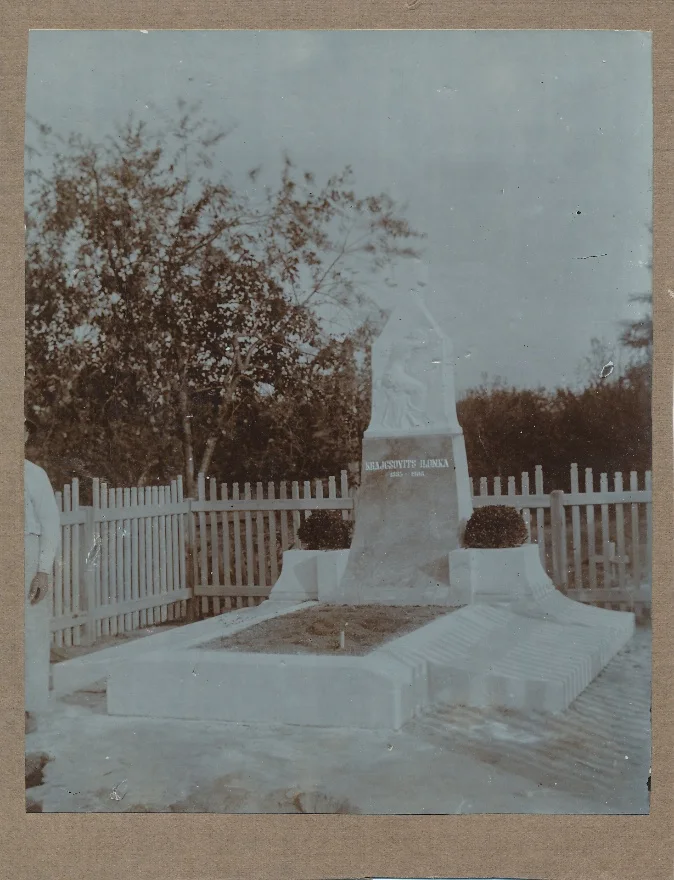
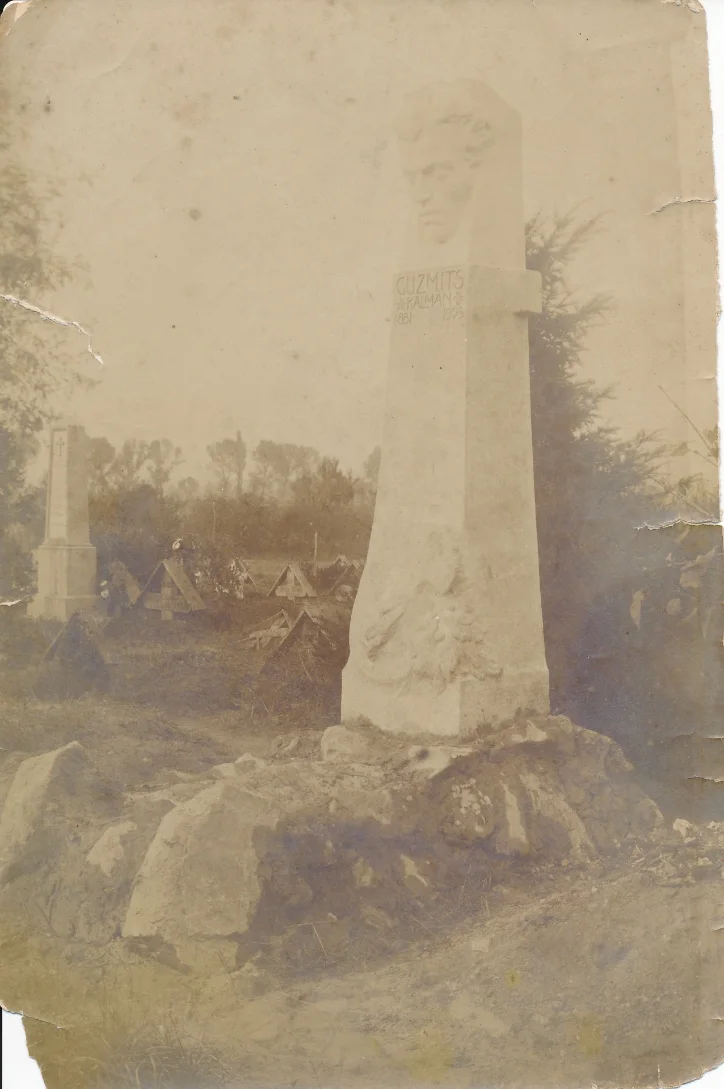
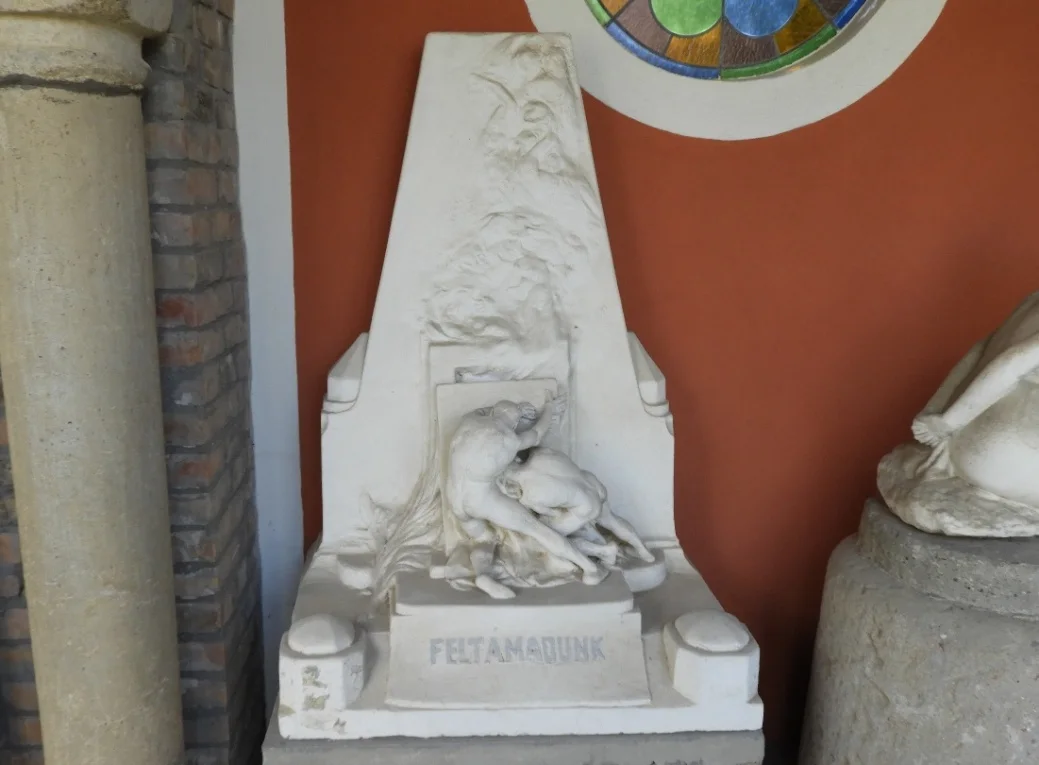
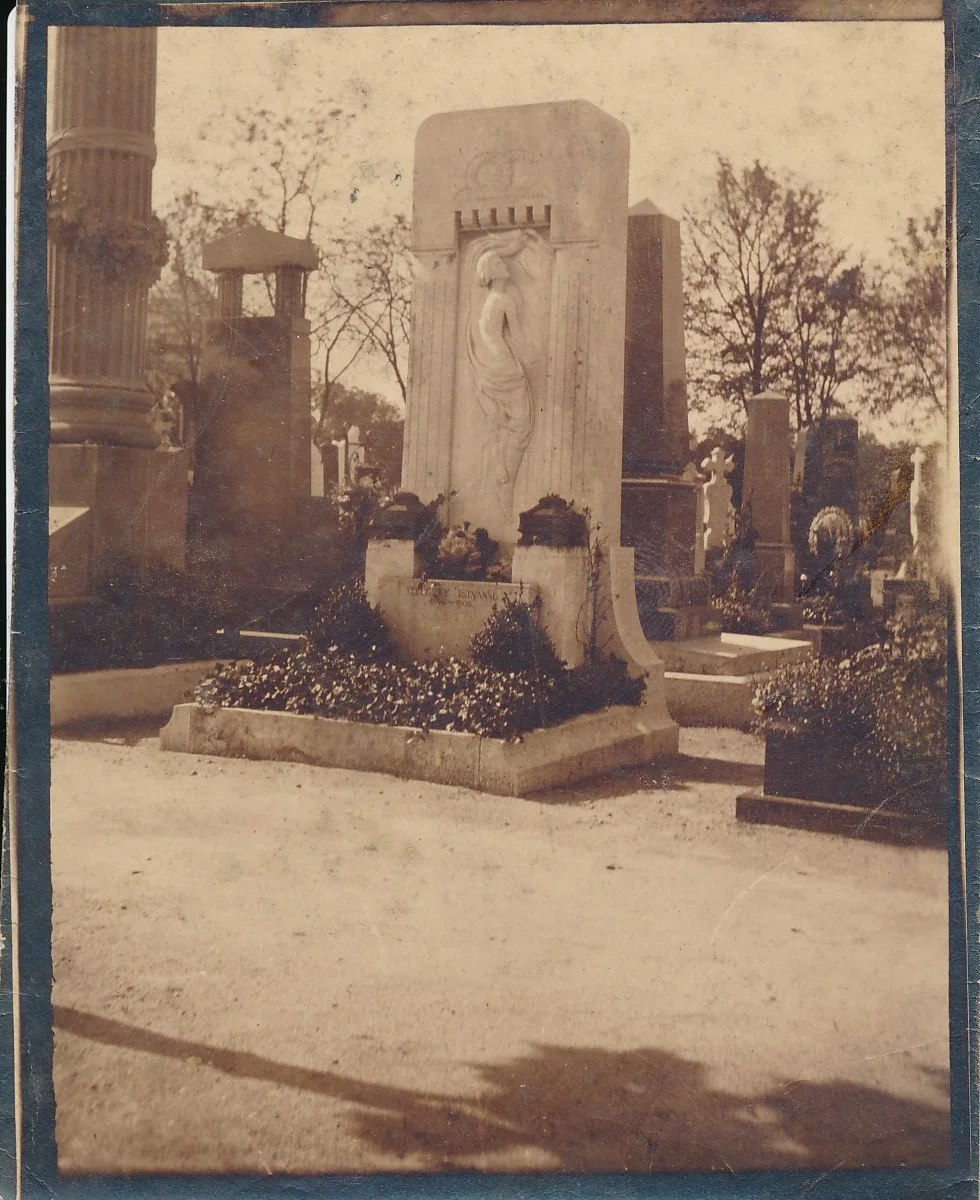
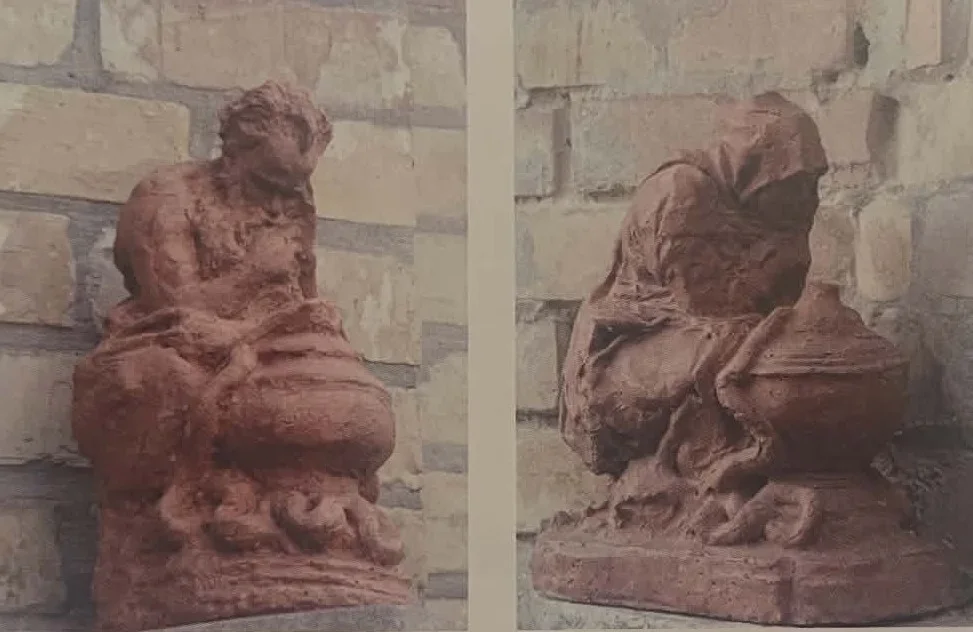
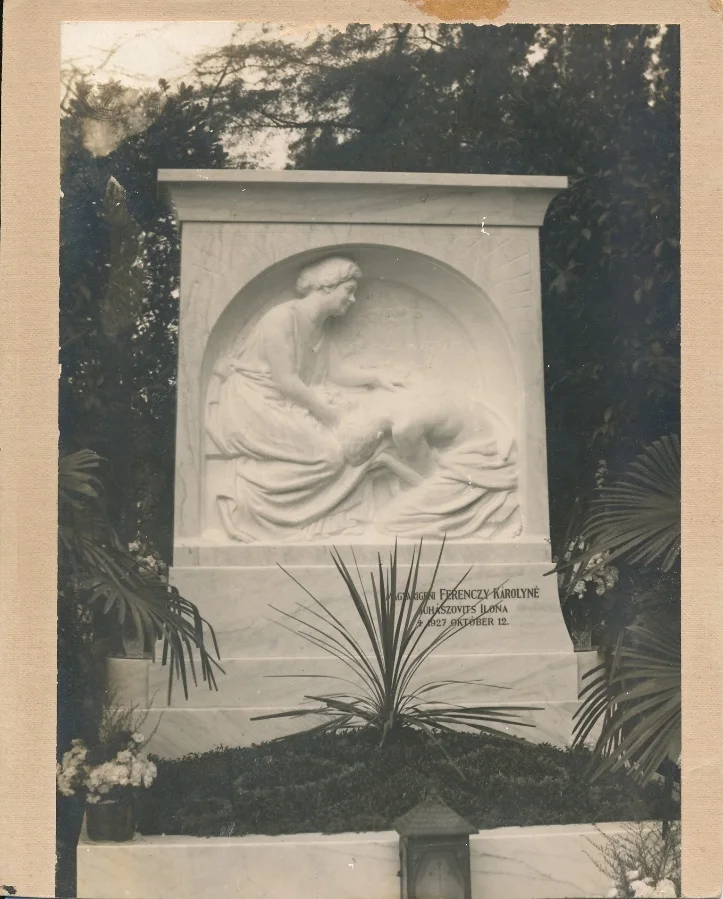
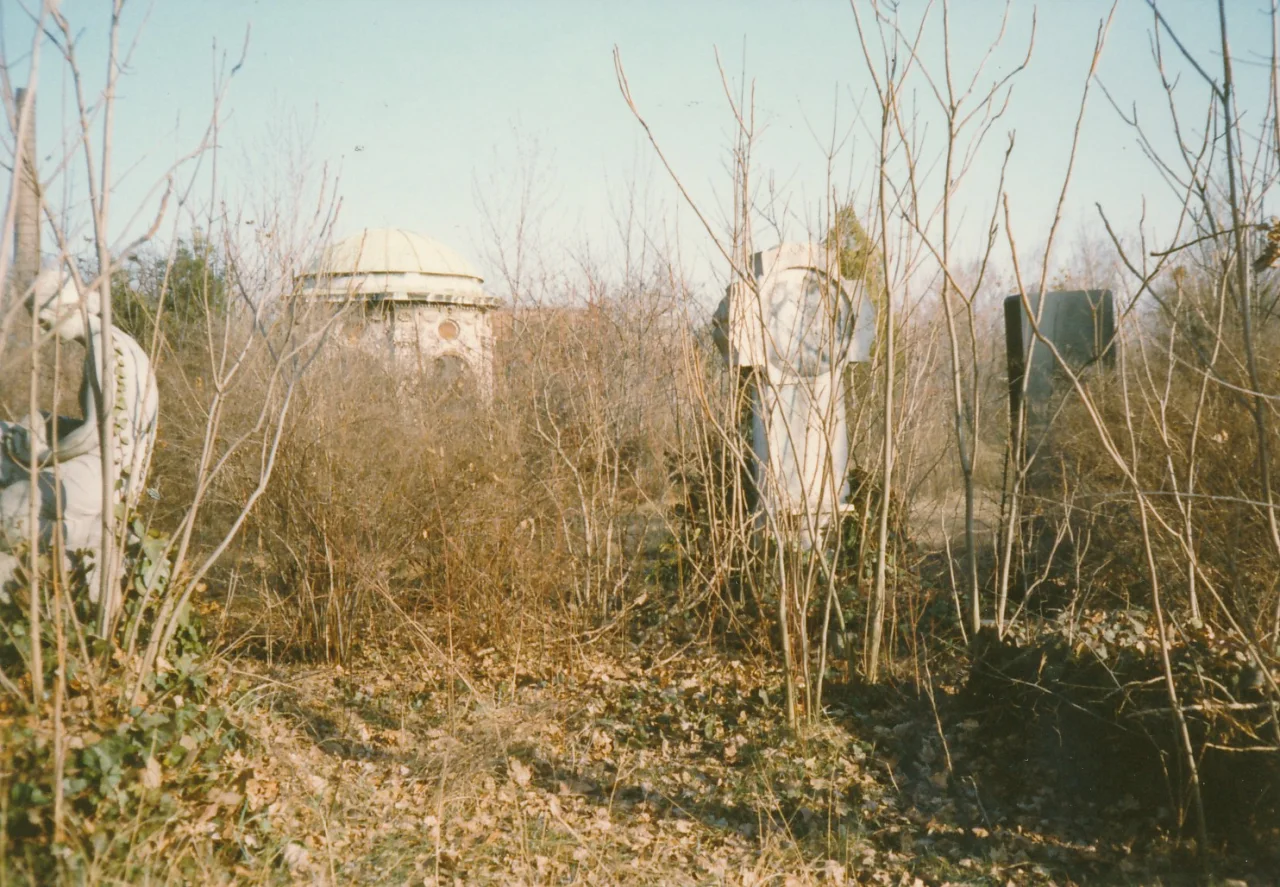
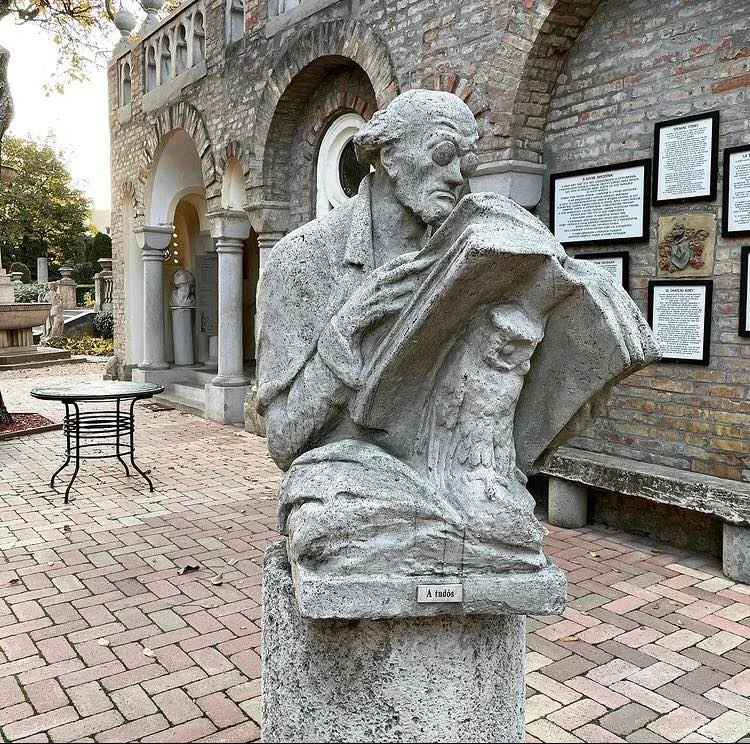
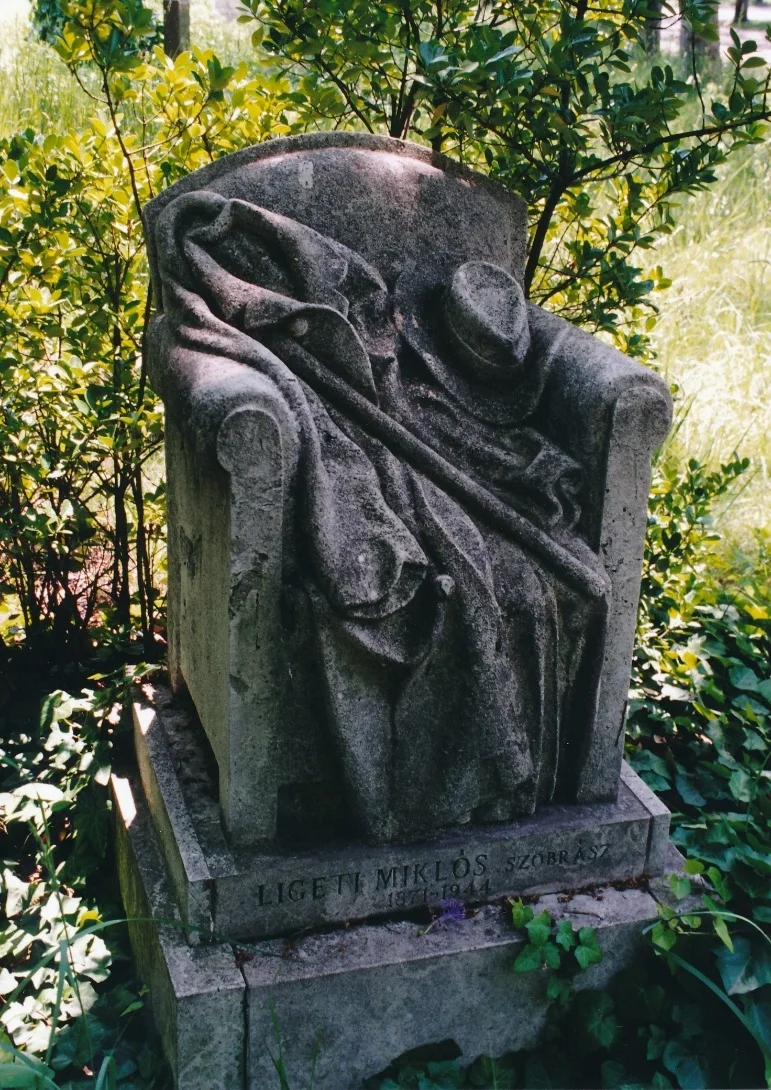
Funerary monument sculpture occupies a particularly important place in Bory Jenő’s oeuvre. For almost four decades, from the early 1900s until the end of the Second World War, the architect and sculptor created funerary monuments in which he drew equally upon his architectural and sculptural knowledge. His works are found chiefly in Székesfehérvár and in Budapest’s notable cemeteries, Kerepesi Cemetery and Farkasrét Cemetery.
In his funerary monuments, he employed the means of classical figurative sculpture. His works are characterised by balanced modelling, harmonious composition and a restrained yet expressive rendering of human emotion. He often combined bronze, marble and stone architecture in his works, so that the funerary monuments serve at once as places of remembrance and independent works of art.
Bory’s funerary monuments may be classified into many types. Some depict allegorical figures—mourning women, angel-like figures or religious motifs—while others recall the portrait of the deceased. In many cases, symbols and reliefs referring to the deceased’s oeuvre or vocation also appear, as on the funerary monuments of engineers, artists or scholars.
The funerary monuments form not only a significant chapter of Bory Jenő’s art, but also social, cultural and artistic records of the first half of the twentieth century. Through them, it remains possible today to learn about the individuals, families and communities for whom the artist created enduring memorials.
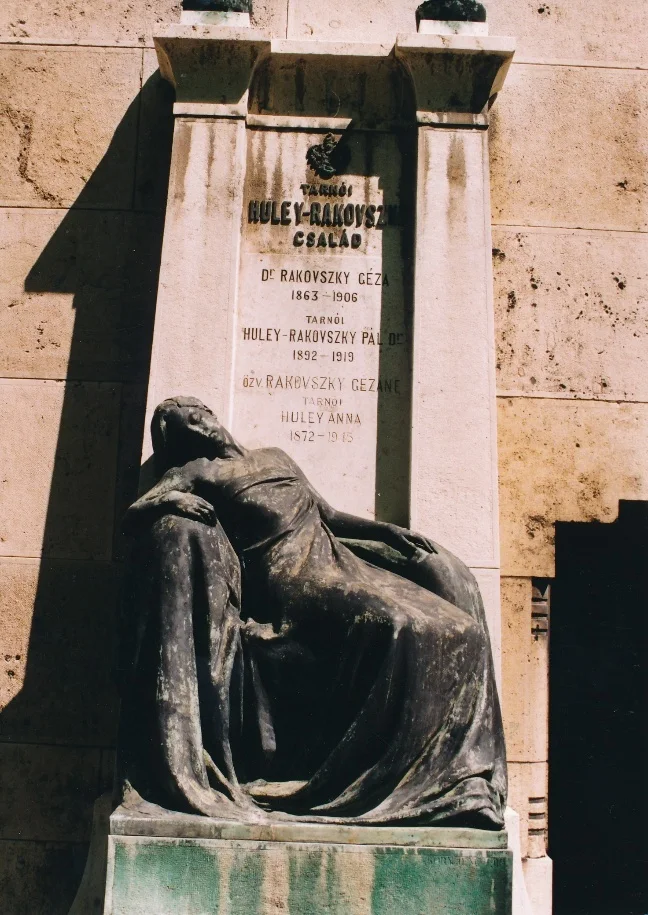
- Allegorical funerary monuments: They do not depict the deceased directly, but present them through figures personifying mourning, pain, faith or remembrance.
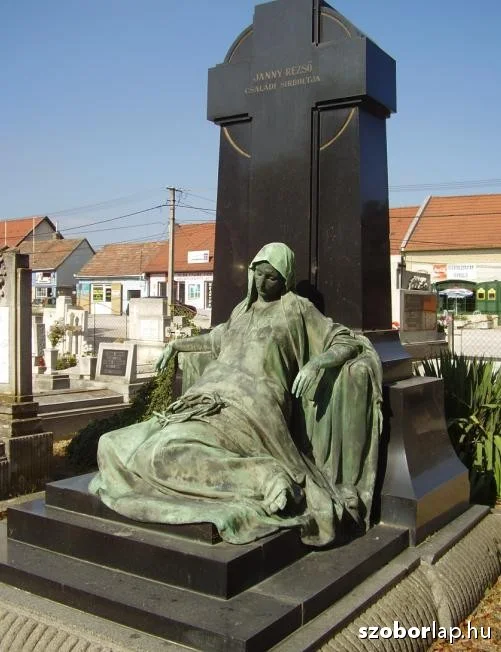
- Funerary monument of the Janny family
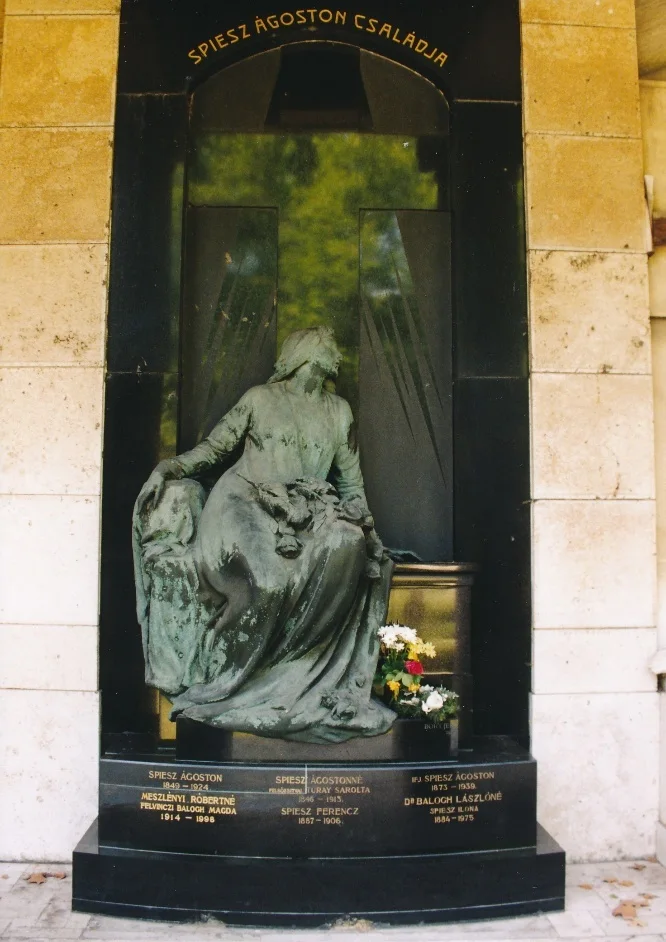
- Funerary monument of the family of Ágoston Spiesz
- Funerary monument of the Huley–Rakovszky family
- Funerary monument of Mrs István Teleszky
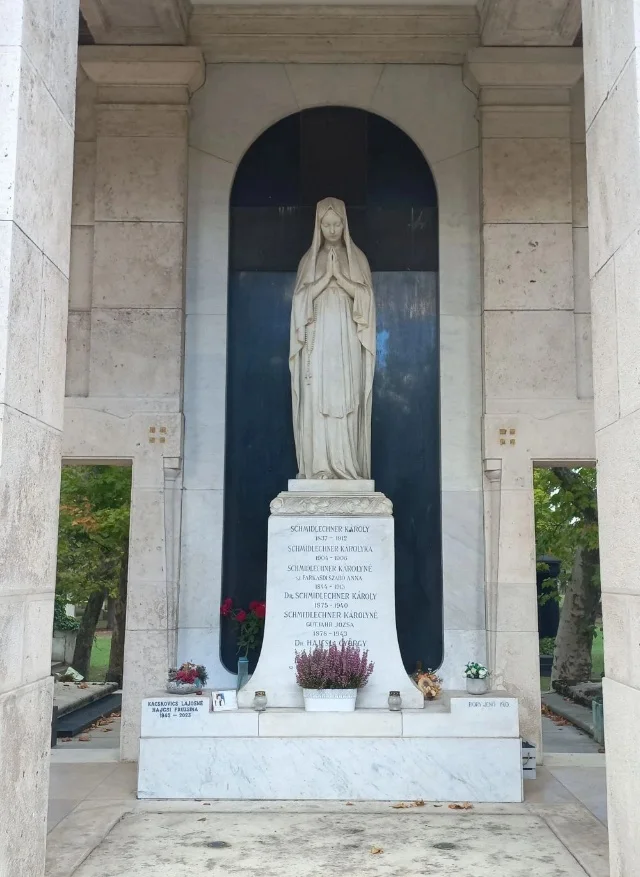
- Funerary monument of Károly Schmidlechner (Madonna)
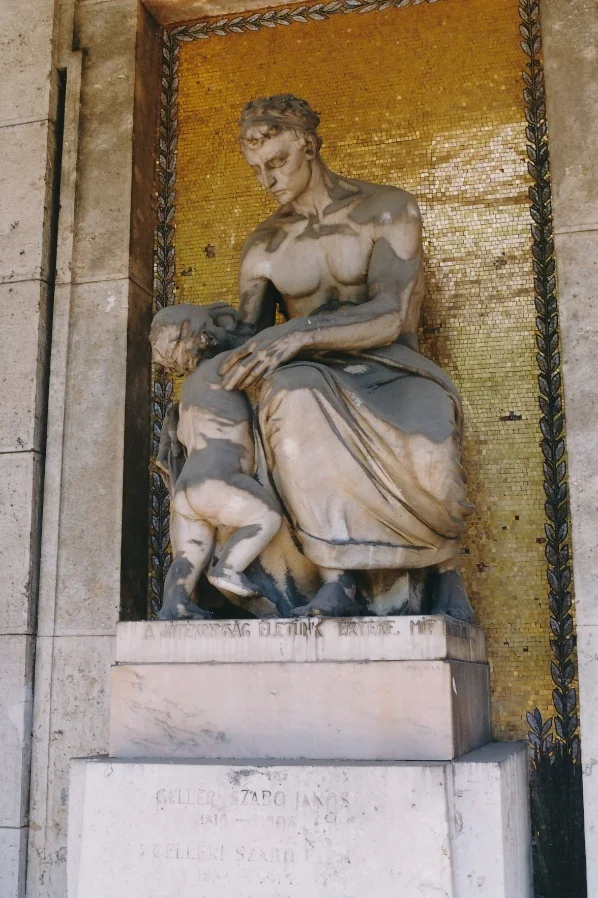
- Funerary monument of János Gelléri Szabó (allegory of charity)
- Symbolic funerary monuments: Remembrance is based on symbolic, religious or animal motifs.
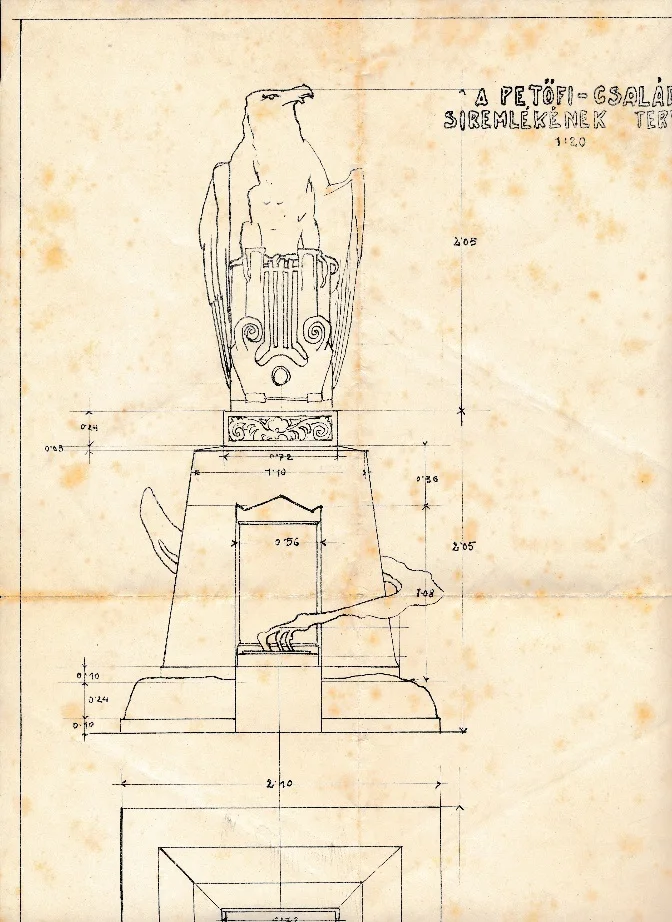
- Funerary monument of the Petőfi family (eagle, lyre, wreath)
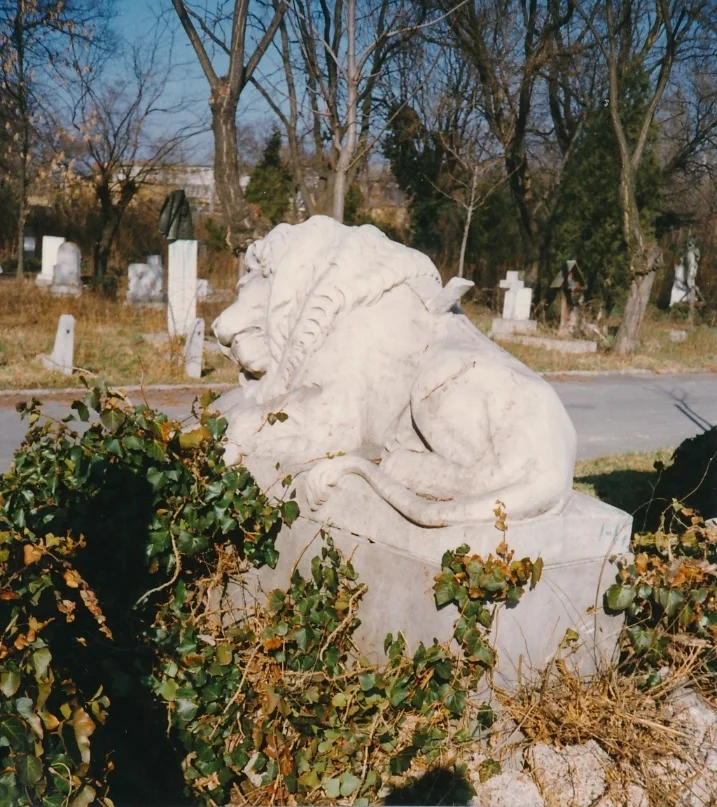
- Funerary monument of Jenő Pintér (slain lion)
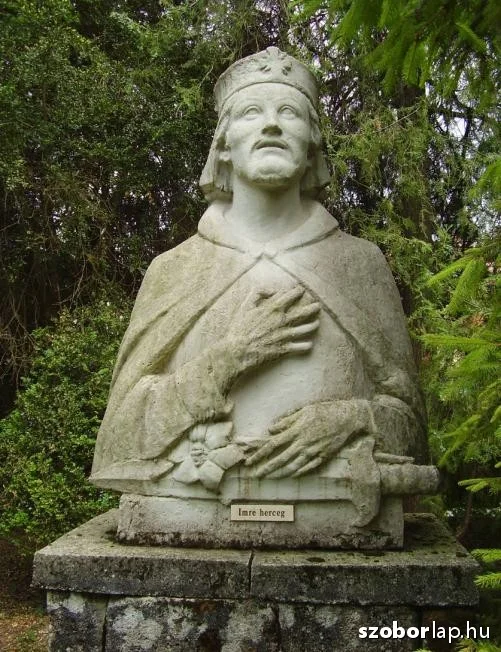
- Funerary monument of Illés Bitter (figure of Saint Emeric)
- Funerary monument of Béla Erdőssy (female figure with a painter’s palette)
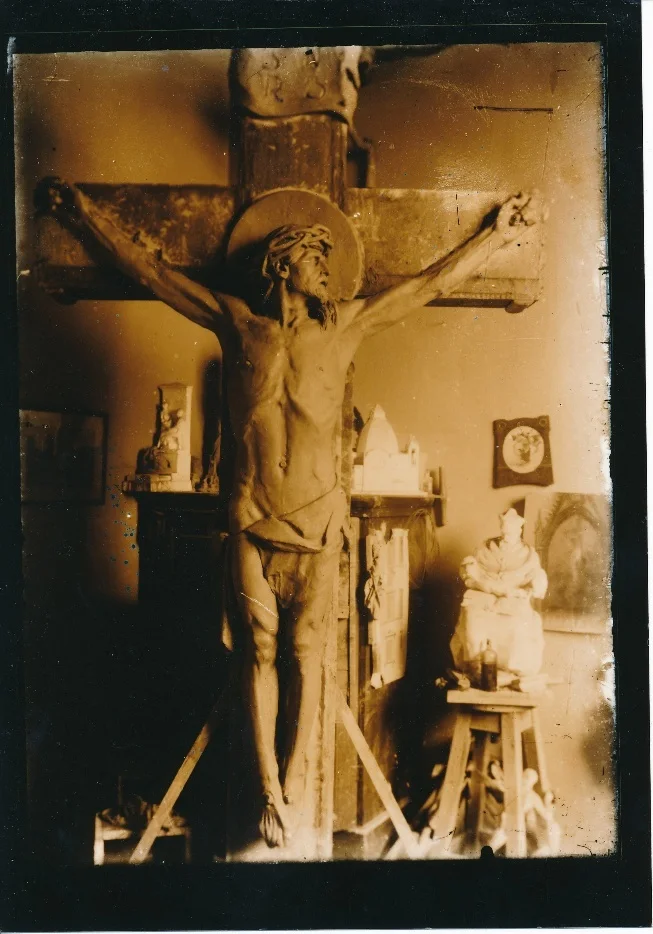
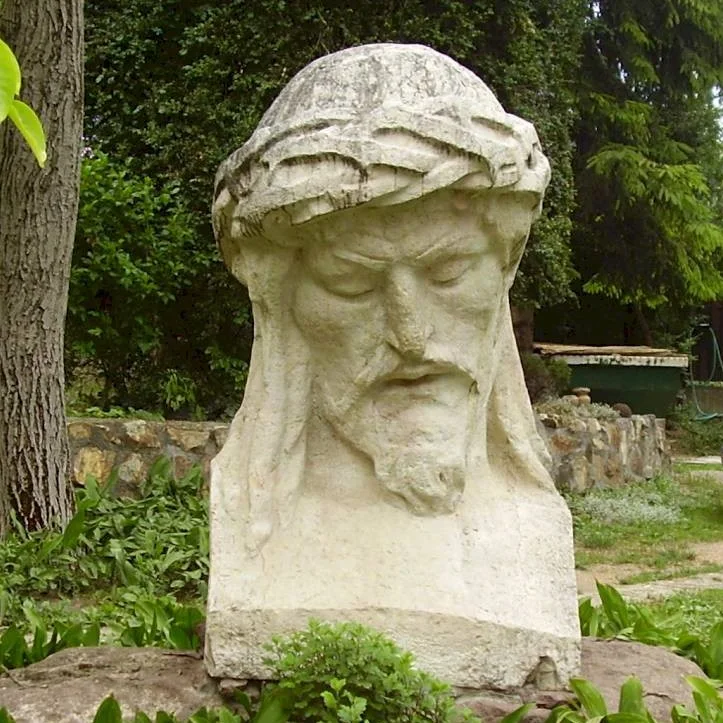
- Funerary monument of the Bory family (Head of Christ)
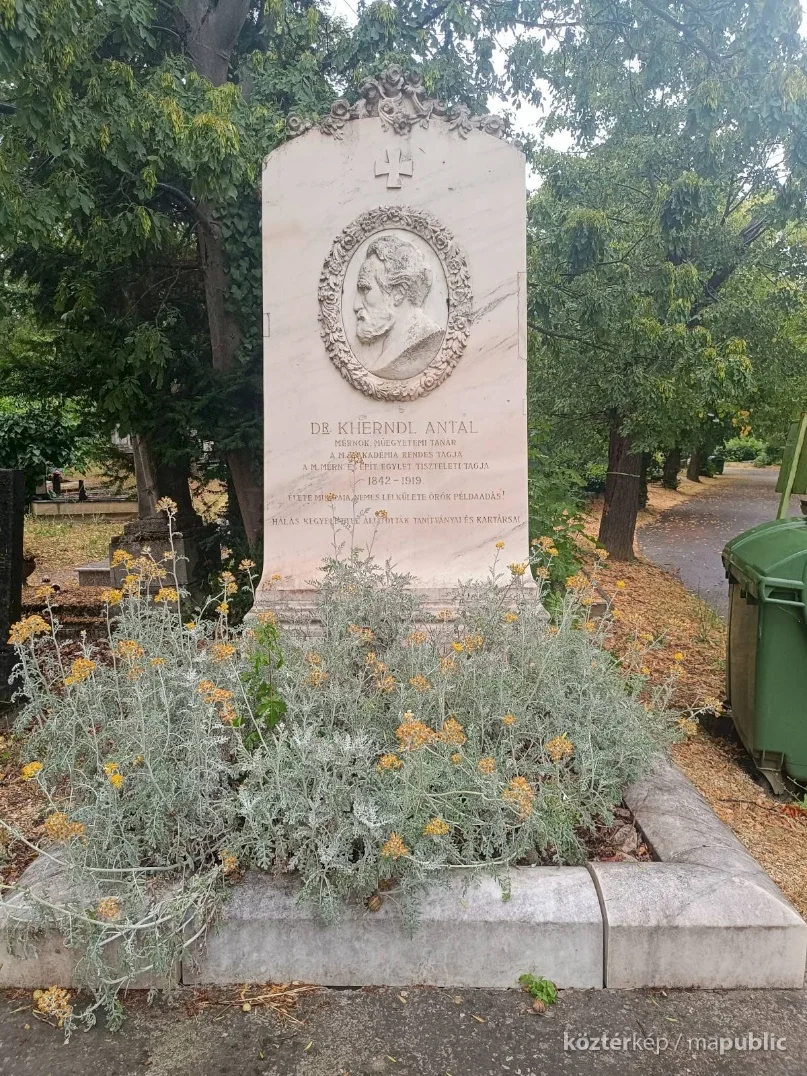
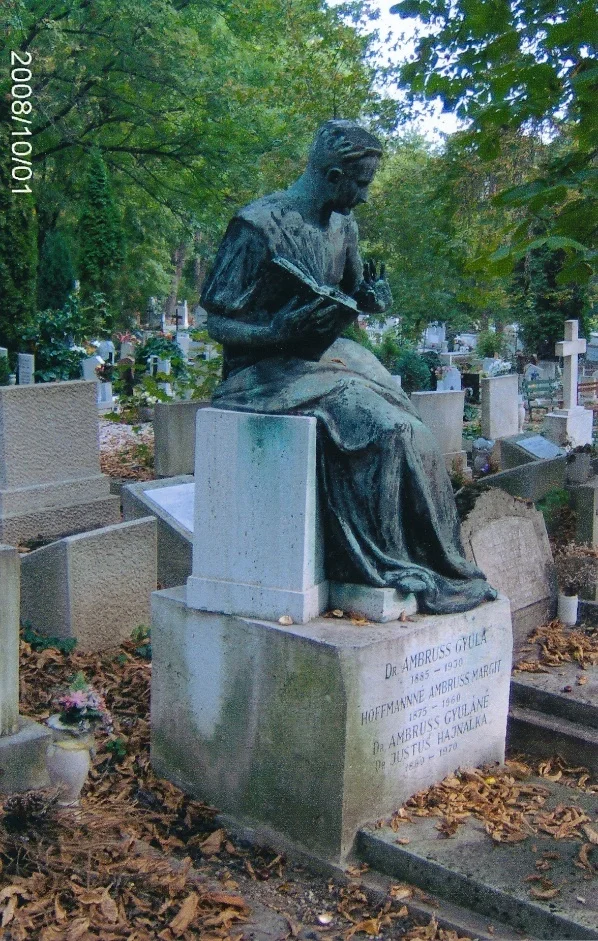
- Funerary monuments featuring a portrait: The features or figure of the deceased appear.
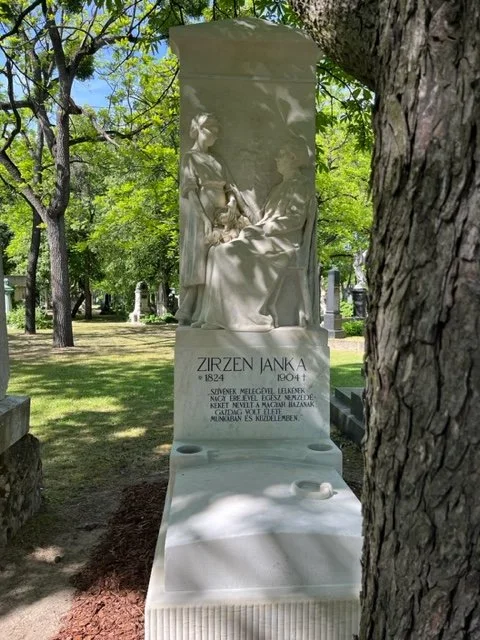
- Funerary monument of Janka Zirzen
- Funerary monument of Adolf Czakó
- Funerary monument of Antal Kherndl
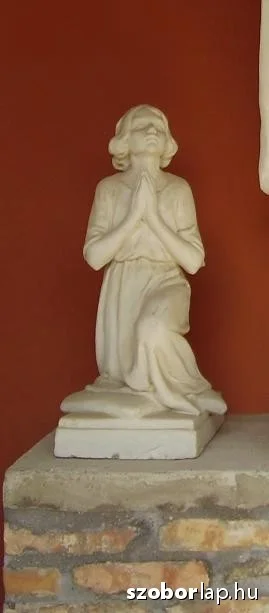
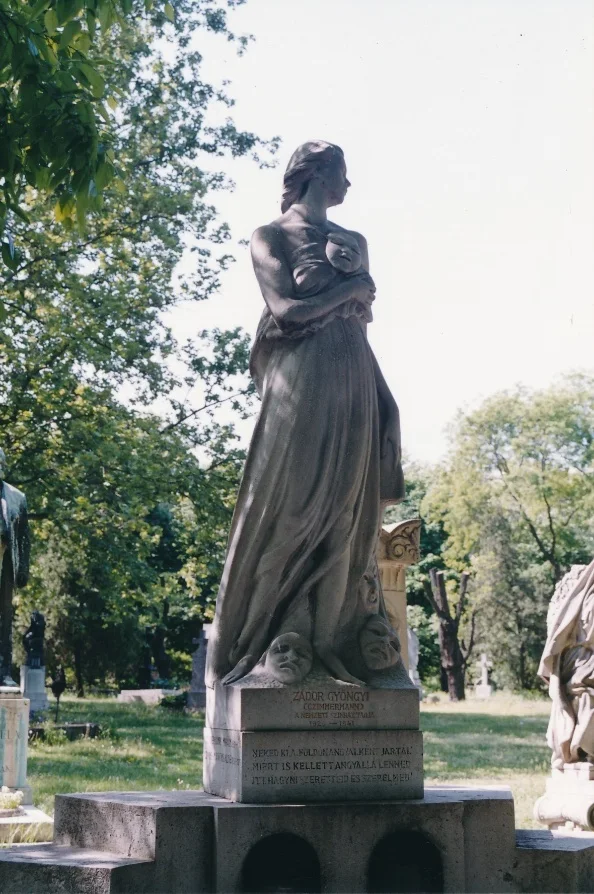
- Funerary monument of Gyöngyi Zádor
- Funerary monument of Gyula Ambruss
- Funerary monuments evoking an oeuvre or vocation: The memorial presents the deceased’s work, creations or occupation.
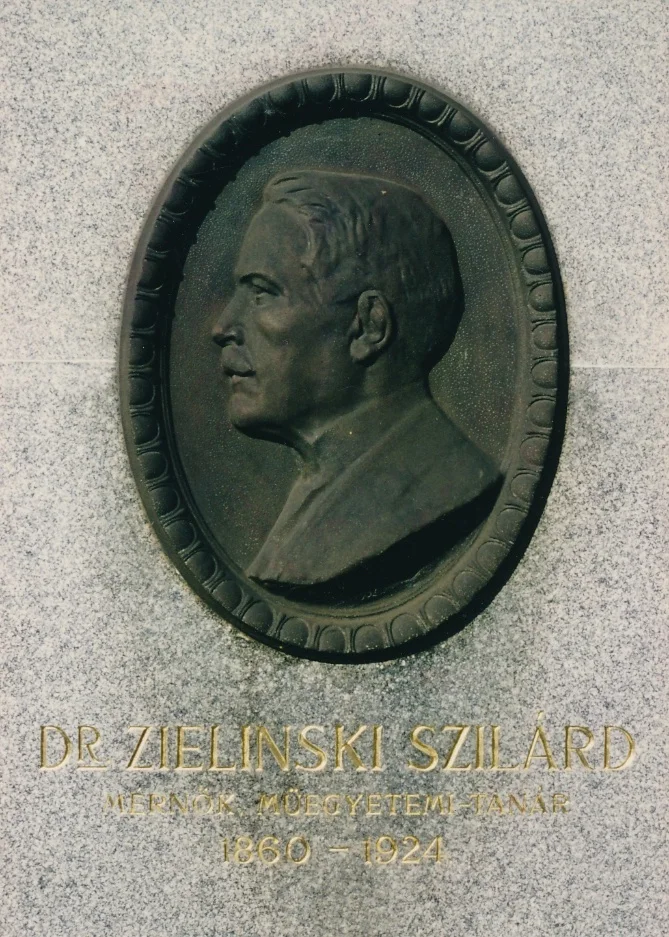
- Funerary monument of Szilárd Zielinski (reliefs of a water tower, harbour and valley bridge)
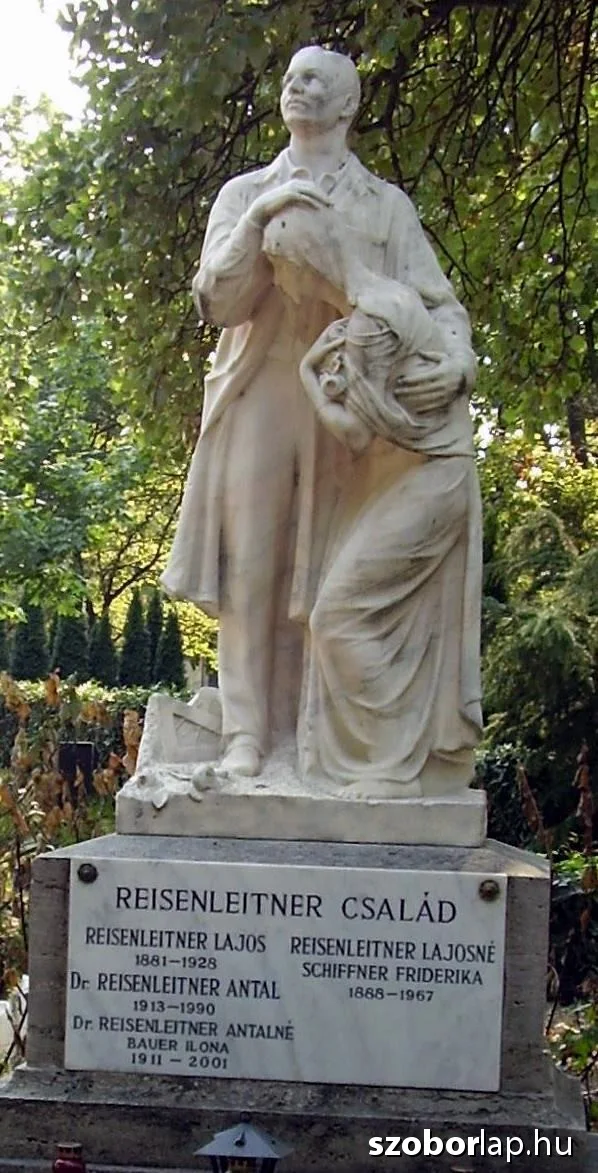
- Funerary monument of Lajos Reisenleitner (compasses and ruler as architectural attributes)
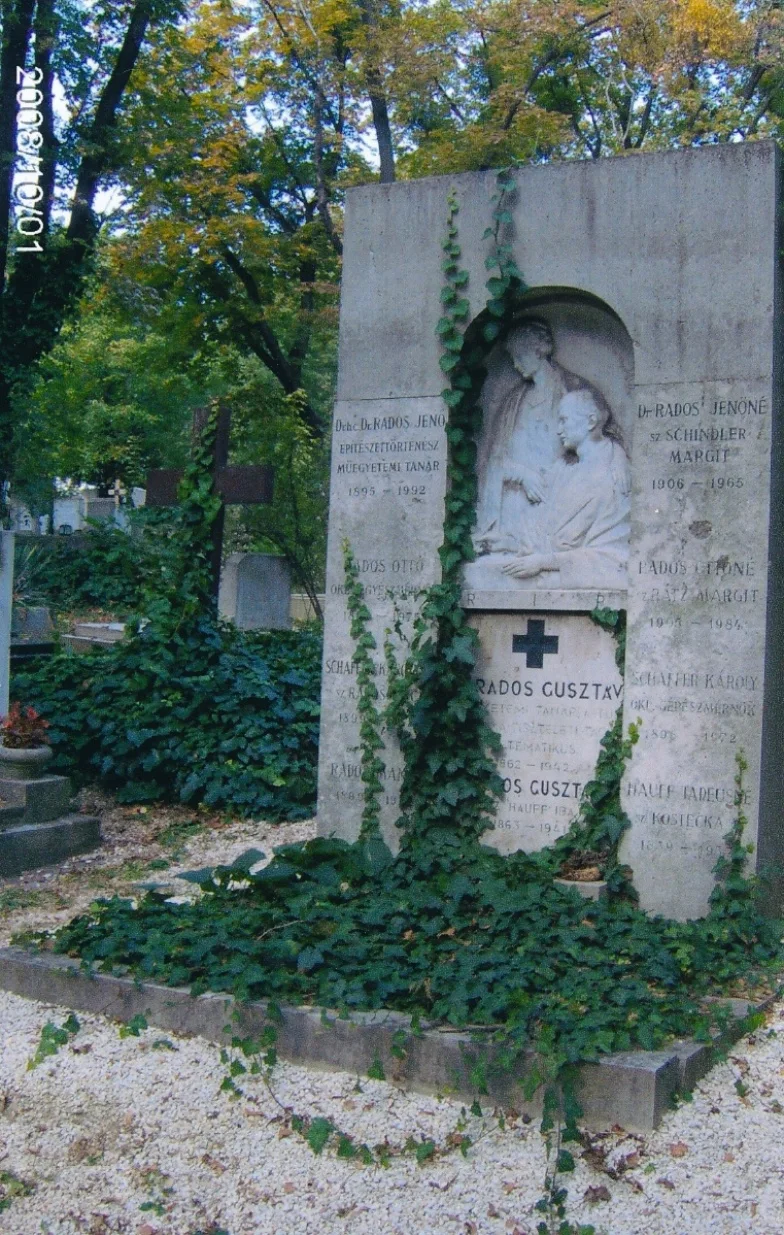
- Funerary monument of Gusztáv Rados (allegory evoking scholarly work)
- Funerary monument of János Gelléri Szabó (depiction of his philosophy of life and charitable activity)