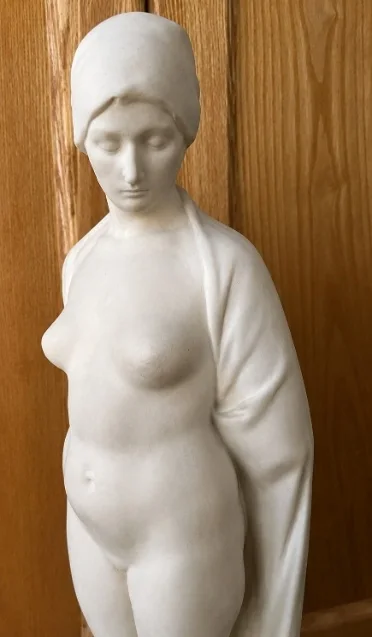
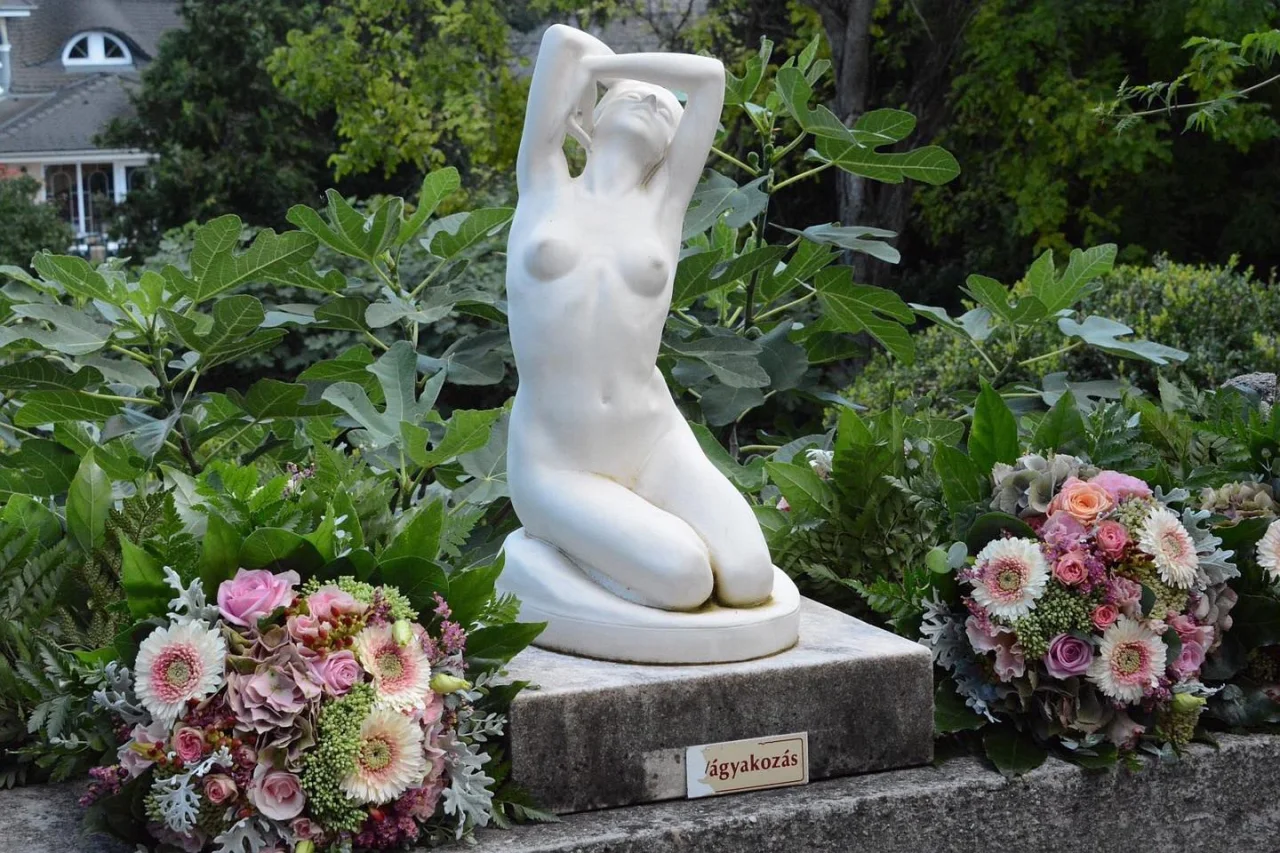
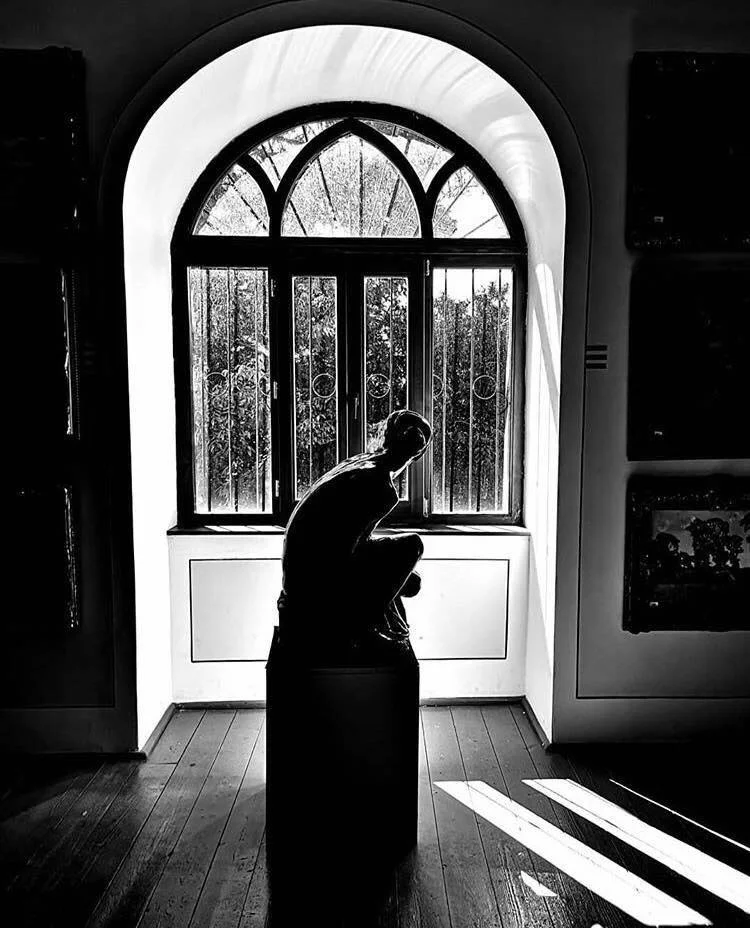
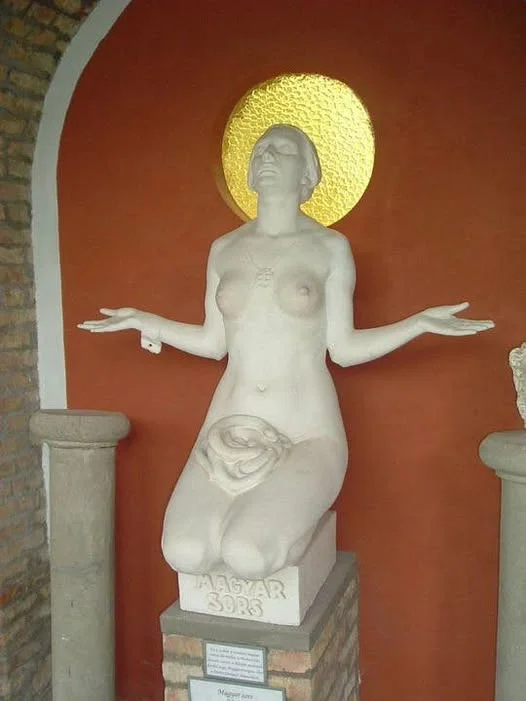
One significant group within Bory Jenő’s sculpture consists of works depicting female figures. These works are connected both to the classical sculptural tradition and to the modern movements of the early twentieth century.
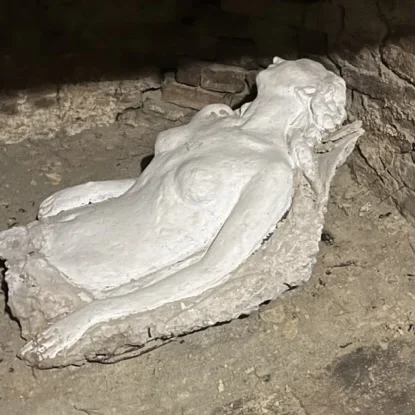
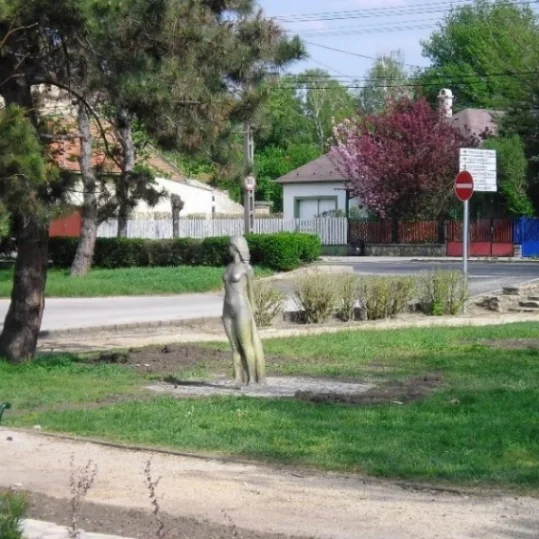
The influence of ancient art is clearly perceptible in his modelling of the female body. The balanced proportions, refined forms and tranquillity of the surfaces create the impression that the sculptures continue the Greco-Roman ideal of beauty. Yet Bory does not merely follow classical models; taking them as his point of departure, he develops a visual language of his own, marked by a distinctly emotional tone.
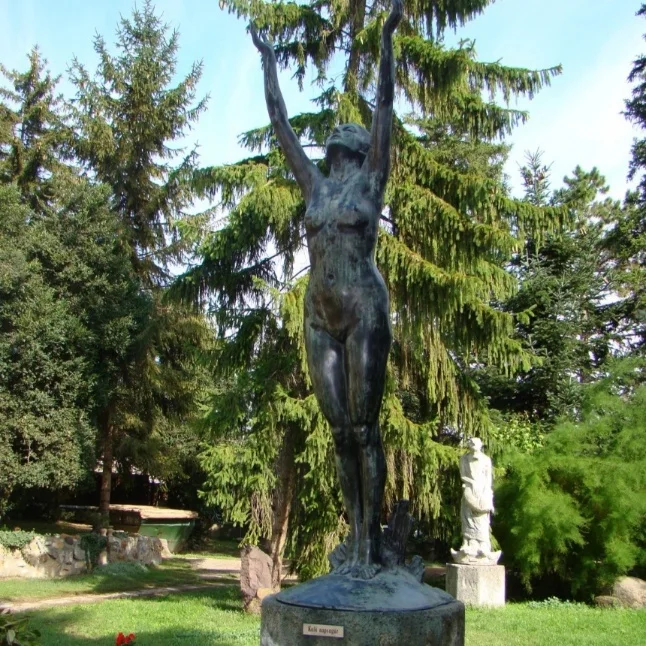
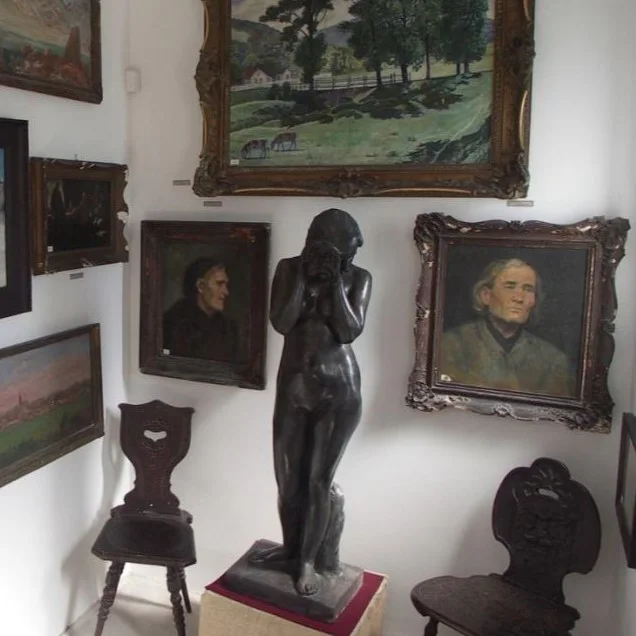
The poses of the figures are often deliberately composed and somewhat theatrical. Gently raised arms, a turning torso and a curving posture are characteristic. Such devices recall the formal language of Art Nouveau, in which emphasis falls on the decorative silhouette and the harmony of the overall effect. The female figures do not appear in natural, everyday situations, but rather as if lifted out of reality into an idealised, abstract space. This abstraction allows the sculptures to represent not particular people but general human meanings. The nudes thus become capable of expressing longing, youth, pain and other abstract concepts. Accordingly, Bory’s female figures are not portraits but bearers of ideas.
Bory’s female figures may therefore be interpreted on several levels:
- classical tradition: proportion, tranquillity and ideal bodily forms
- Art Nouveau formal treatment: decorative line and harmonious silhouette
- symbolist content: the expression of abstract concepts and emotional states
Within this system, the female figure is not merely a model or a subject, but a mediator: the bearer of thought and feeling concealed behind visible form. In Bory’s sculptures, the female body thus becomes one of the principal means of expressing abstract meanings.