BORY-VÁR logo BORY-VÁR Private museum
Menu

BORY CASTLE

HISTORICAL FIGURES

One of the most significant areas of Bory Jenő’s art is the portrayal of the outstanding figures of Hungarian history.

Throughout his life, the artist turned to the national past with deep interest, evoking in numerous works the figures of kings, military commanders, churchmen, writers, chroniclers and historical heroes. His sculptures are not merely portraits or historical reconstructions: through the individuals depicted, he sought to express the continuity of Hungarian history, the strength of national remembrance and respect for the past.

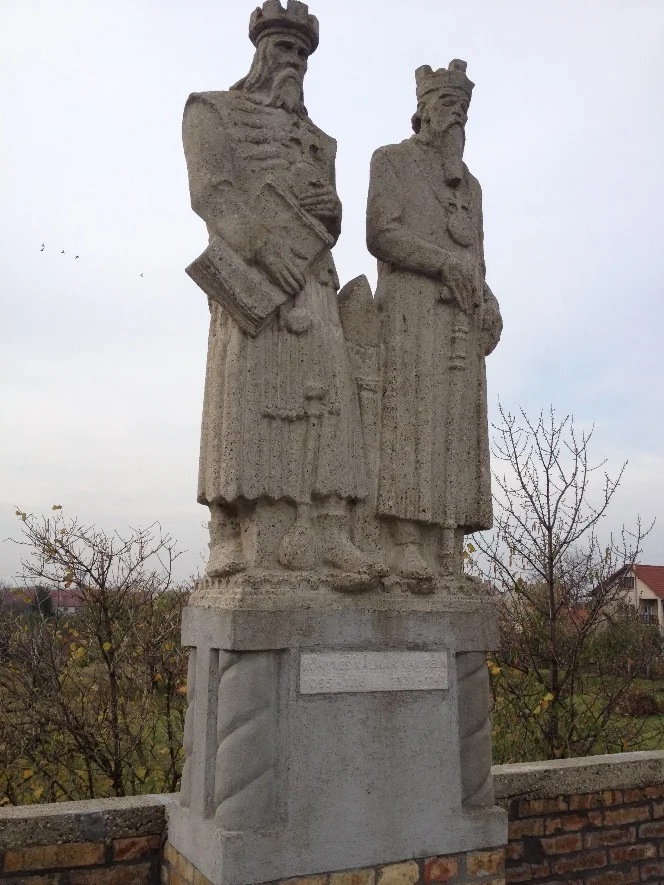
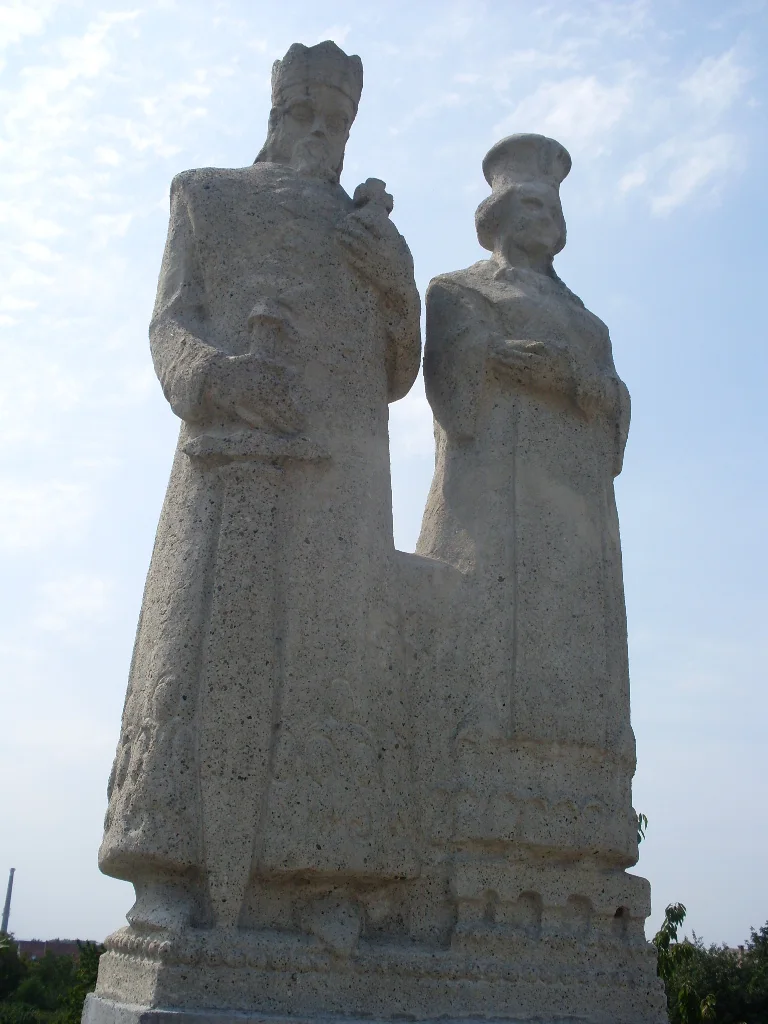
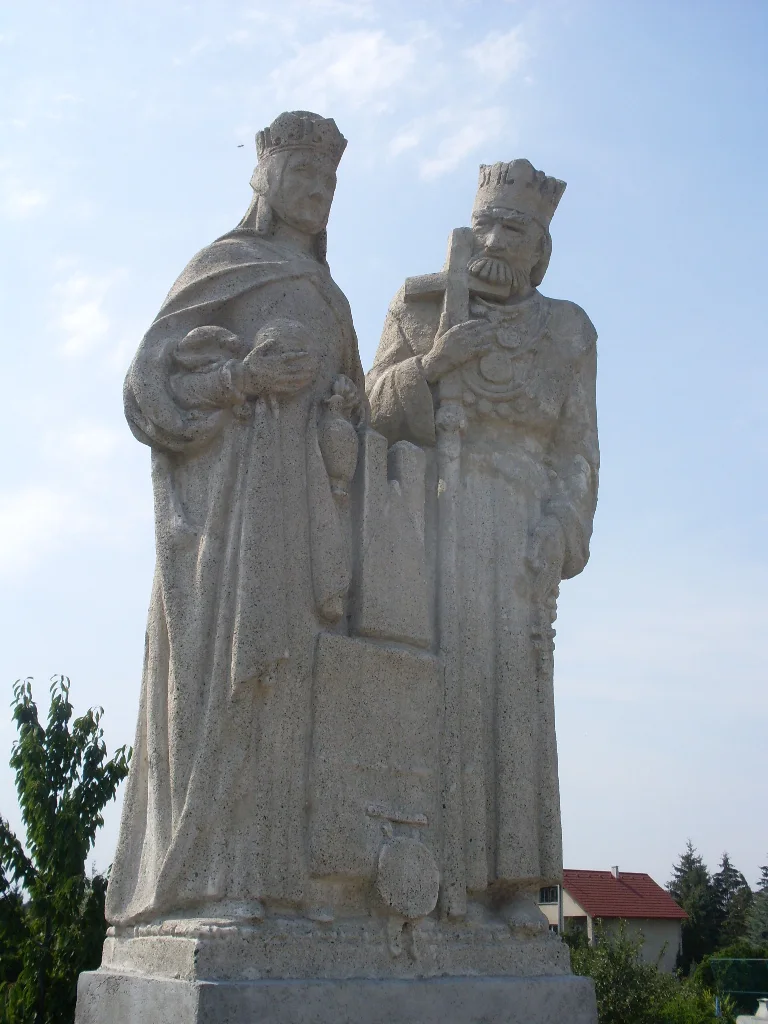
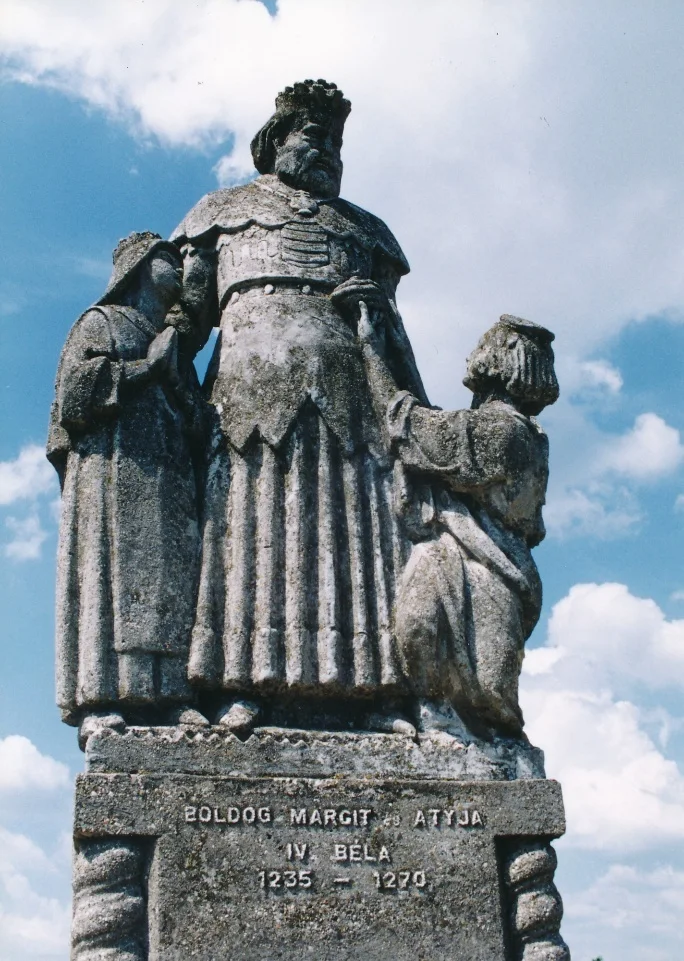
The fullest and most spectacular expression of this endeavour may be found at Bory Castle in Székesfehérvár. The historical arcade that surrounds the castle’s Hundred-Column Courtyard is in fact an open-air historical pantheon, in which defining figures of the Hungarian past stand side by side. Bory did not select his subjects at random: the sculptures invite the visitor on a kind of journey through history, leading from the era of the Hungarian conquest through the centuries of the late Middle Ages and the Ottoman period.

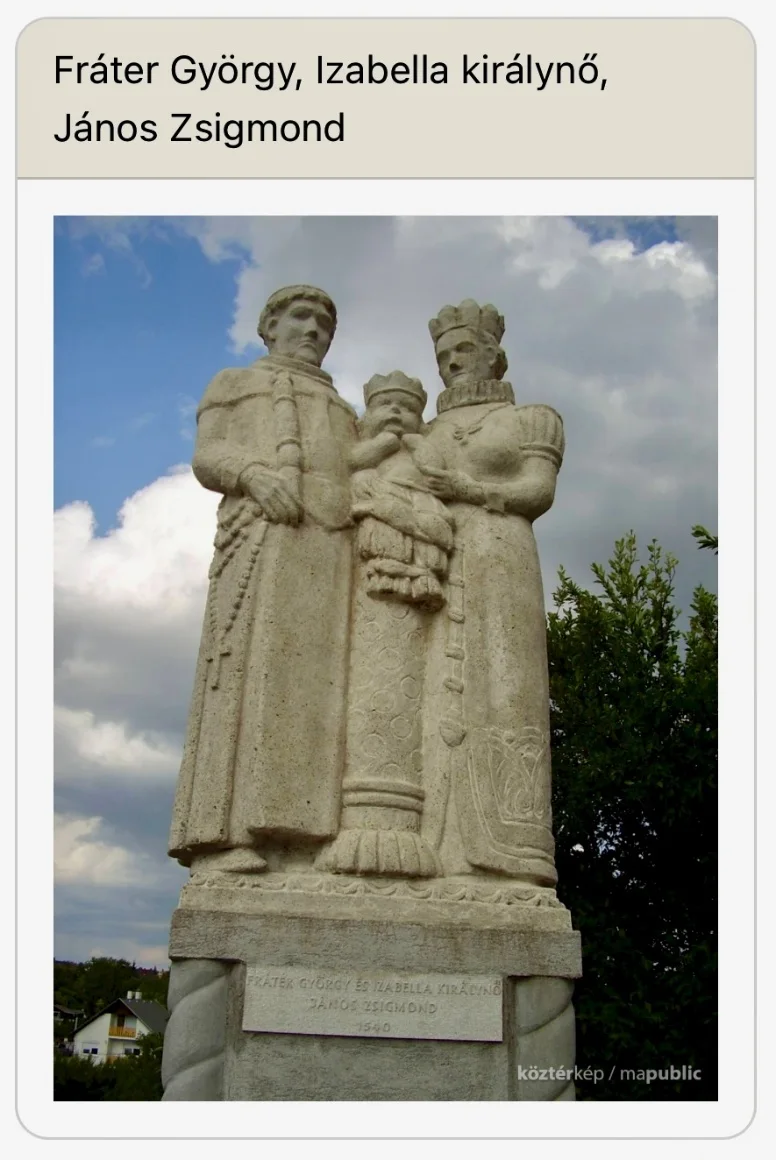
On the left wing of the historical arcade, the rulers of the House of Árpád appear from Árpád’s father Álmos to Andrew III, alongside defining figures of the foundation of the state and the medieval Hungarian kingdom. The central section accommodates Anonymus and the kings of the House of Anjou, while on the opposite side the rulers of the later dynasties, including King Matthias, Louis II, Ferdinand of Habsburg and John Zápolya, are joined by such historical and literary figures as Friar György, Queen Isabella, Sebestyén Tinódi Lantos, Miklós Zrínyi and the pair of figures commemorating Szondi’s Two Pages.

The sculptures are remarkable in that they do not appear as independent monuments, but as integral parts of the castle’s architectural system. The figures, made of quartz concrete, stand upon the pillars of the balustrades, as though they themselves formed the battlements of the castle walls. In this way Bory united architecture and sculpture in a singular manner: the historical figures not only adorn the castle, but also surround it as its symbolic guardians.

The historical figures at Bory Castle clearly reflect the artist’s view of history. He chose not only kings and military commanders, but also those personalities who made enduring contributions to the development of Hungarian culture, chronicle writing, literature or statehood. The Hundred-Column Courtyard is therefore not a simple collection of sculpture, but a summary of Hungarian history fashioned in stone and concrete, inviting the visitor to encounter the great figures of the national past.
HISTORICAL FIGURES

HISTORICAL FIGURES

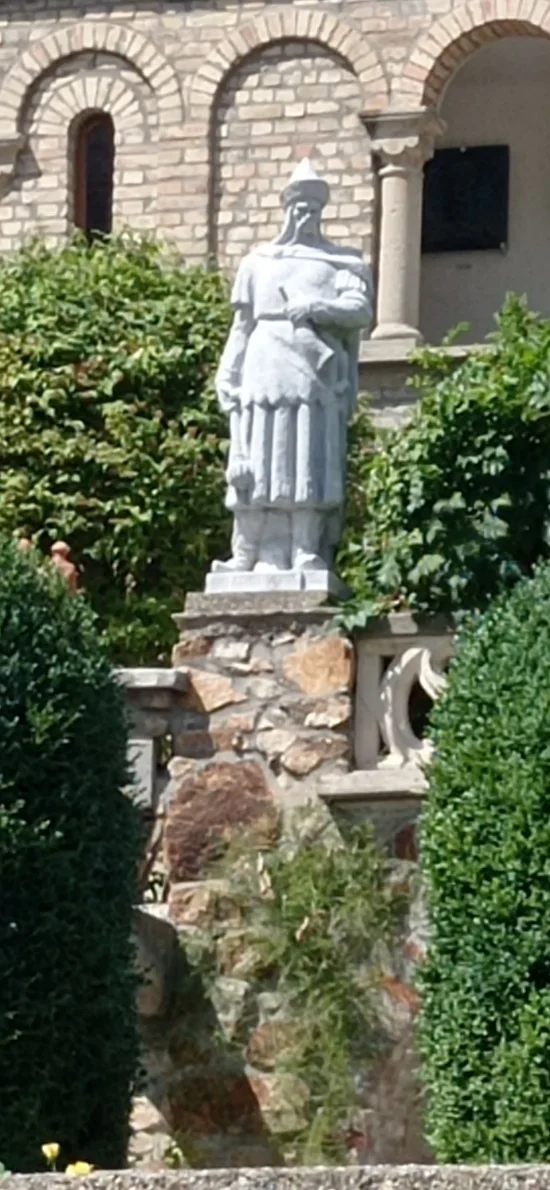
CHIEFTAIN LEHEL (1926)

CHIEFTAIN LEHEL (1926)

The statue of Chieftain Lehel is a work by Bory Jenő, representing one of the best-known figures in Hungarian history and legend. Quartz concrete, 190 cm, Bory-várThe work presents Chieftain Lehel holding the famous horn...

Tovább
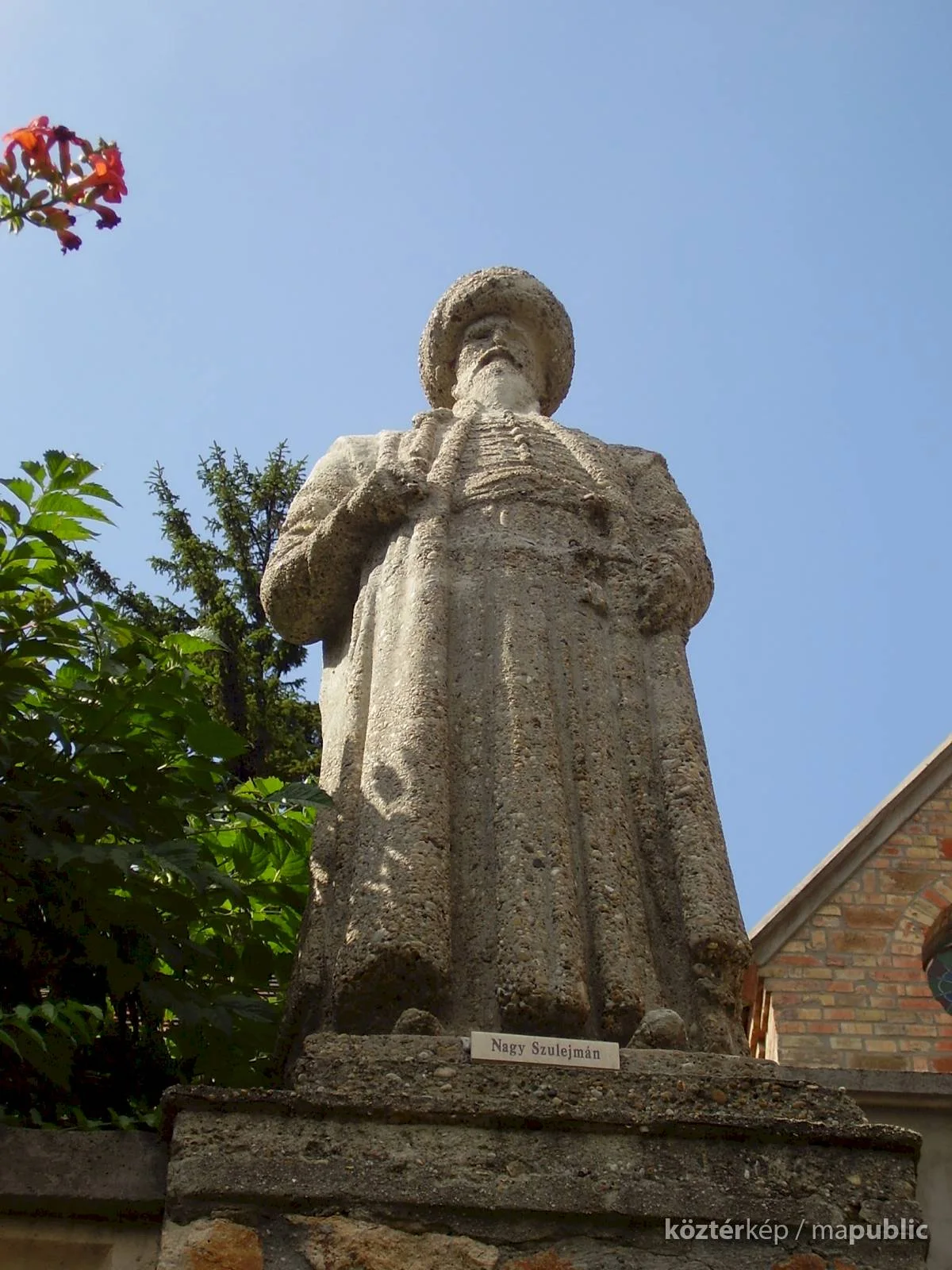
SULEIMAN THE MAGNIFICENT (1926)

SULEIMAN THE MAGNIFICENT (1926)

On the parapet of the Elephant Courtyard at Bory-vár, among figures from Hungarian history, there is, surprisingly, also a statue of the Ottoman sultan Suleiman the Magnificent. Quartz concrete, 190 cm, Bory-várHand-pain...

Tovább
HUNGARIAN NOBLEMAN (1920)

HUNGARIAN NOBLEMAN (1920)

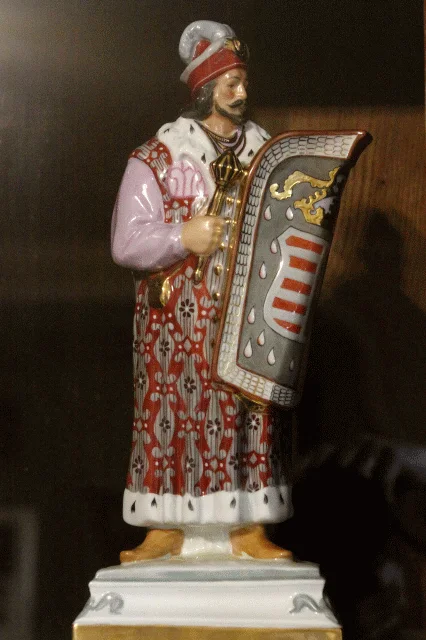
Among Bory Jenő’s historically inspired porcelain sculptures, the work entitled Hungarian Nobleman occupies a prominent place. It is one of the best-known results of his collaboration with the Herend Porcelain Manufactor...

Tovább
SAINT STEPHEN (1938)

SAINT STEPHEN (1938)

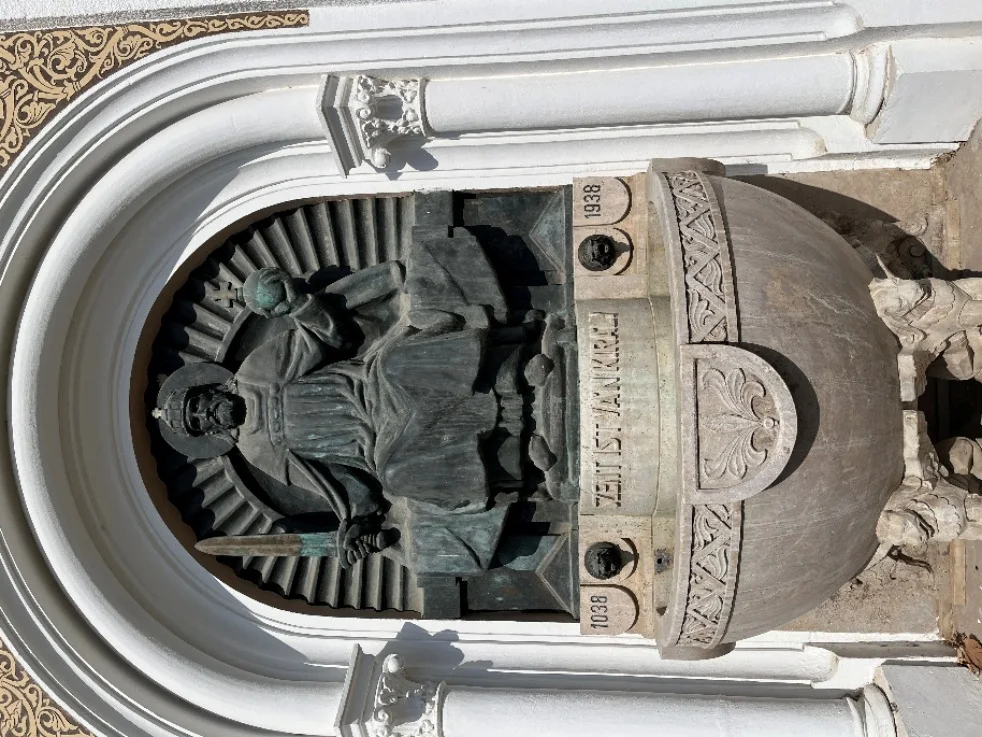
Among Bory Jenő’s representations of Saint Stephen, the ornamental fountain of Saint Stephen in Kaposvár deserves particular attention. It was erected on 25 September 1938, on the southern side of the Cathedral of the As...

Tovább
SAINT PRINCE IMRE (1934)

SAINT PRINCE IMRE (1934)

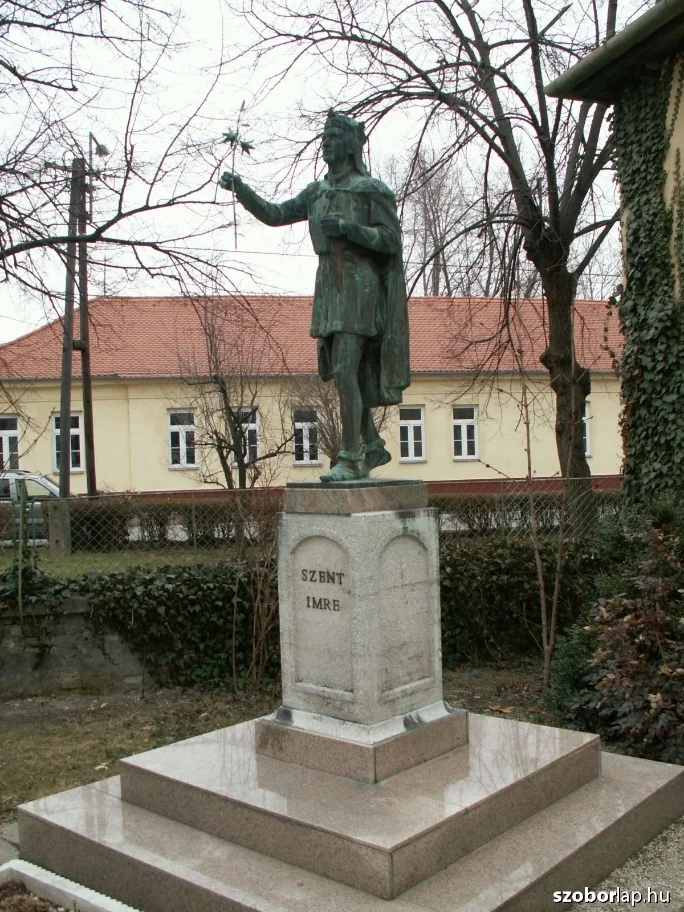
Bory Jenő’s statue of Saint Imre may be seen in Kalocsa, in the garden between Saint Imre Church and the parish house. The bronze figure appears in a quiet, contemplative pose, holding a single flower, the traditional sy...

Tovább
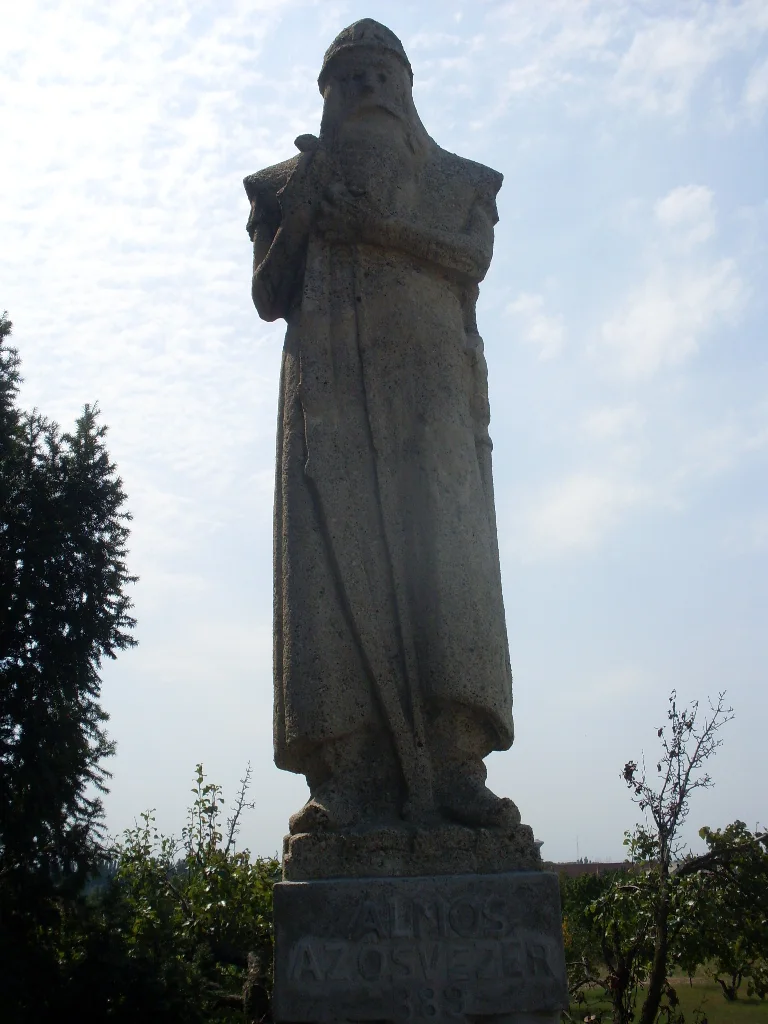
CHIEFTAIN ÁLMOS

CHIEFTAIN ÁLMOS

The historical arcade begins with the earliest figures of the Hungarian past. One of these is Chieftain Álmos, whom tradition regards as the leader of the Hungarians before the Conquest and as the father of Grand Prince...

Tovább
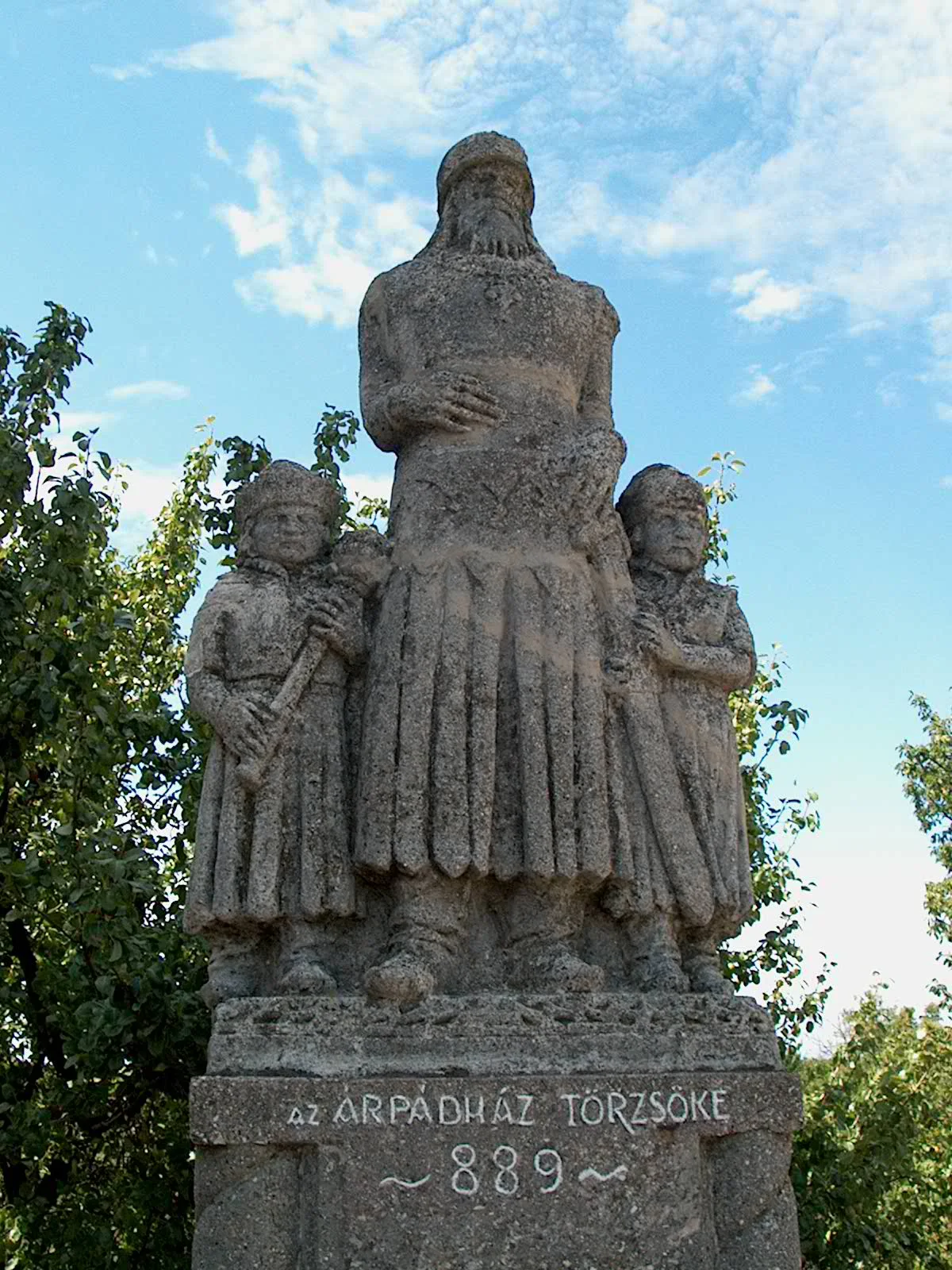
FOUNDER OF THE HOUSE OF ÁRPÁD

FOUNDER OF THE HOUSE OF ÁRPÁD

The statue entitled Founder of the House of Árpád is a work by Bory Jenő that commemorates one of the most important figures in Hungarian history, Grand Prince Árpád. The work depicts not only the leader of the Conquest,...

Tovább
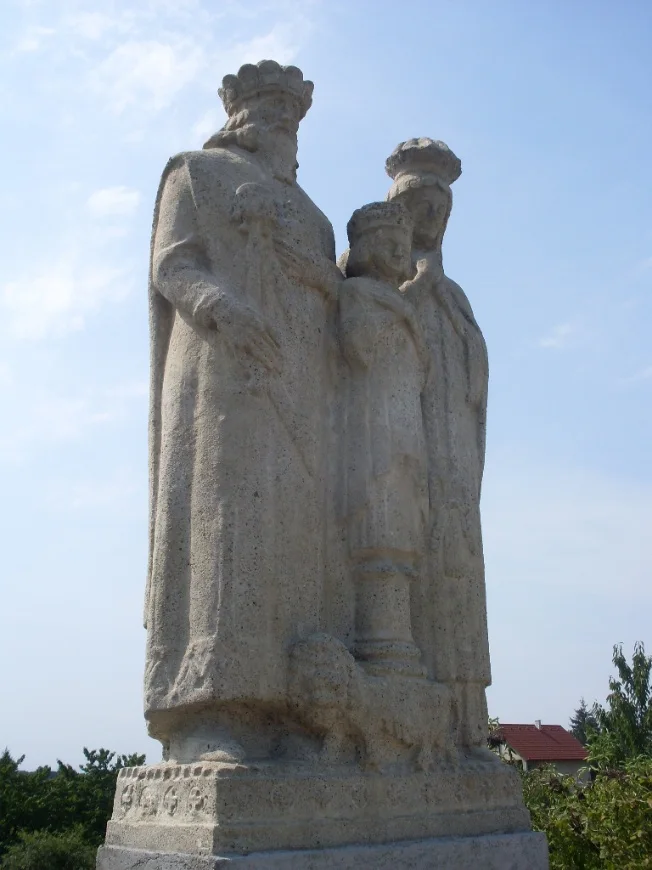
HOLY ROYAL FAMILY: ISTVÁN, GIZELLA AND IMRE

HOLY ROYAL FAMILY: ISTVÁN, GIZELLA AND IMRE

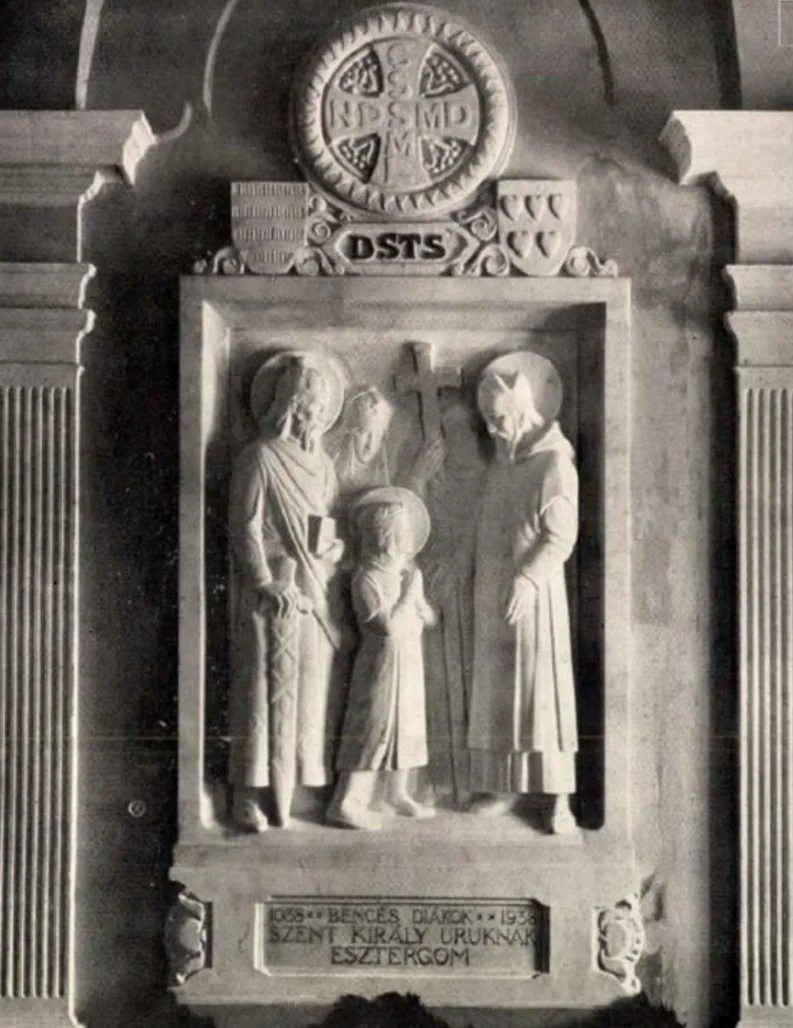
One of the sculptural groups in the historical arcade depicts Saint Stephen, Queen Gizella and Saint Prince Imre. Together, the three figures represent the birth of the Christian Hungarian state, as well as the dynasty w...

Tovább
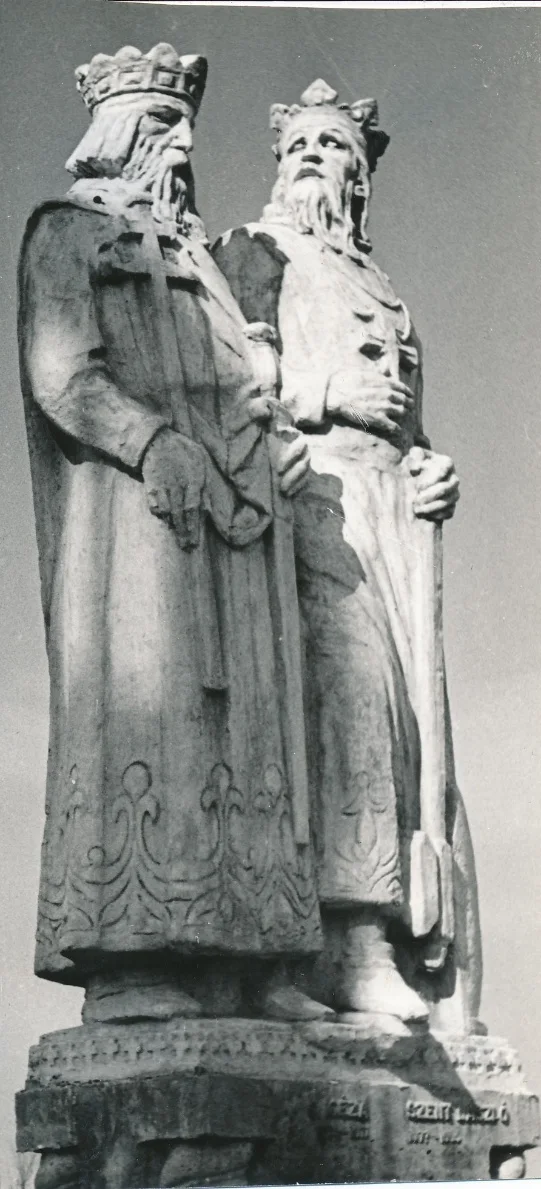
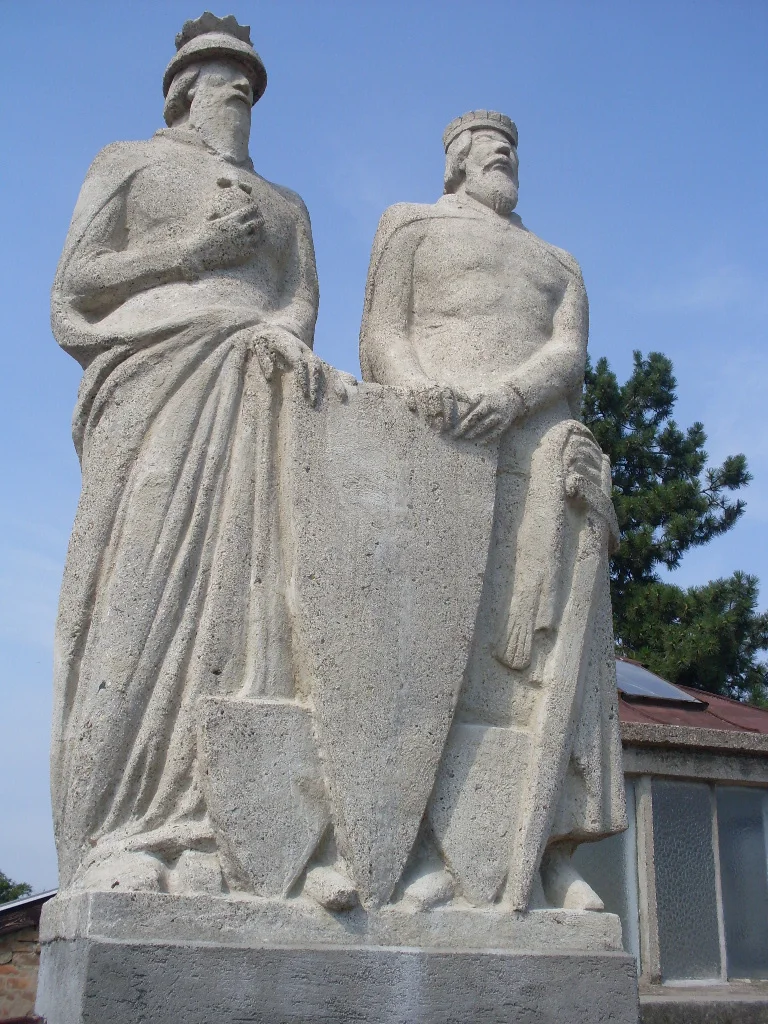
GÉZA I AND SAINT LÁSZLÓ

GÉZA I AND SAINT LÁSZLÓ

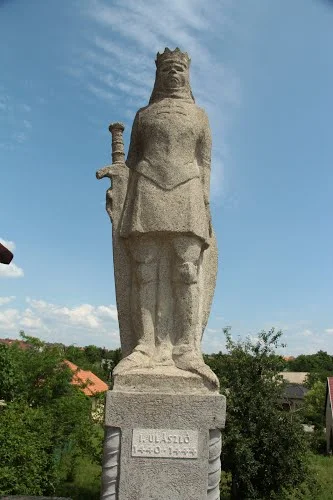
One of the pairs of statues in the historical arcade depicts King Géza I and his younger brother, Saint László. The two brothers evoke the consolidation of the Hungarian Kingdom in the eleventh century, when, after the s...

Tovább
KÁLMÁN THE LEARNED AND BÉLA THE BLIND

KÁLMÁN THE LEARNED AND BÉLA THE BLIND

One of the pairs of figures in the historical arcade is Kálmán the Learned and Béla the Blind, whose fates were closely intertwined with the internal struggles for power within the House of Árpád. Bory Jenő portrayed the...

Tovább
BÉLA III AND ANNA OF ANTIOCH

BÉLA III AND ANNA OF ANTIOCH

One particularly interesting pair of figures in the historical arcade is King Béla III and his wife, Queen Anna of Antioch. Bory Jenő portrayed the royal couple together, and the most striking element of the composition...

Tovább
SAINT ERZSÉBET AND ANDRÁS II

SAINT ERZSÉBET AND ANDRÁS II

In the historical arcade, King András II and his daughter, Saint Erzsébet of the House of Árpád, appear together. In this way Bory Jenő emphasised not only their dynastic relationship, but also evoked two distinct yet de...

Tovább
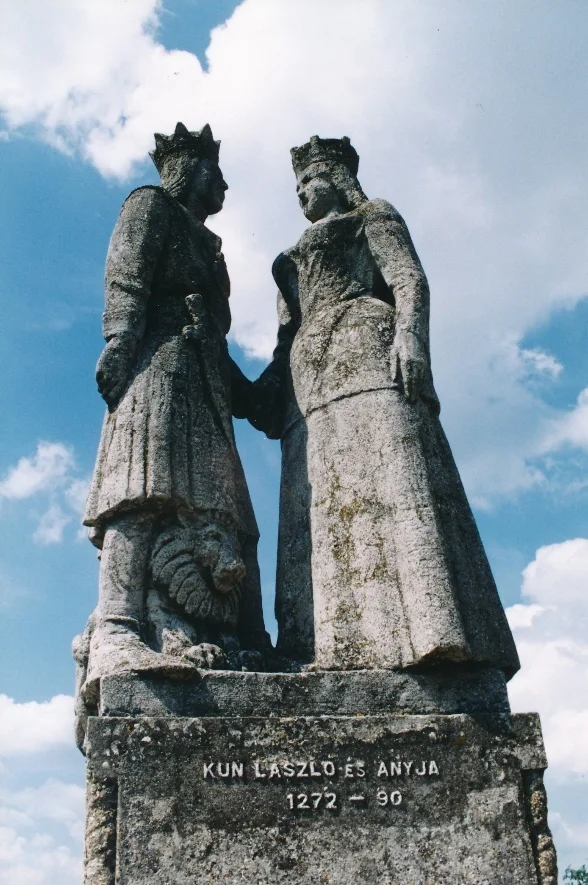
LÁSZLÓ THE CUMAN AND HIS MOTHER

LÁSZLÓ THE CUMAN AND HIS MOTHER

In the historical arcade, King László IV, known in history as László the Cuman, appears with his mother, the Cuman princess Erzsébet. Bory Jenő’s sculptural group refers to the close bond that linked the ruler to the Cum...

Tovább
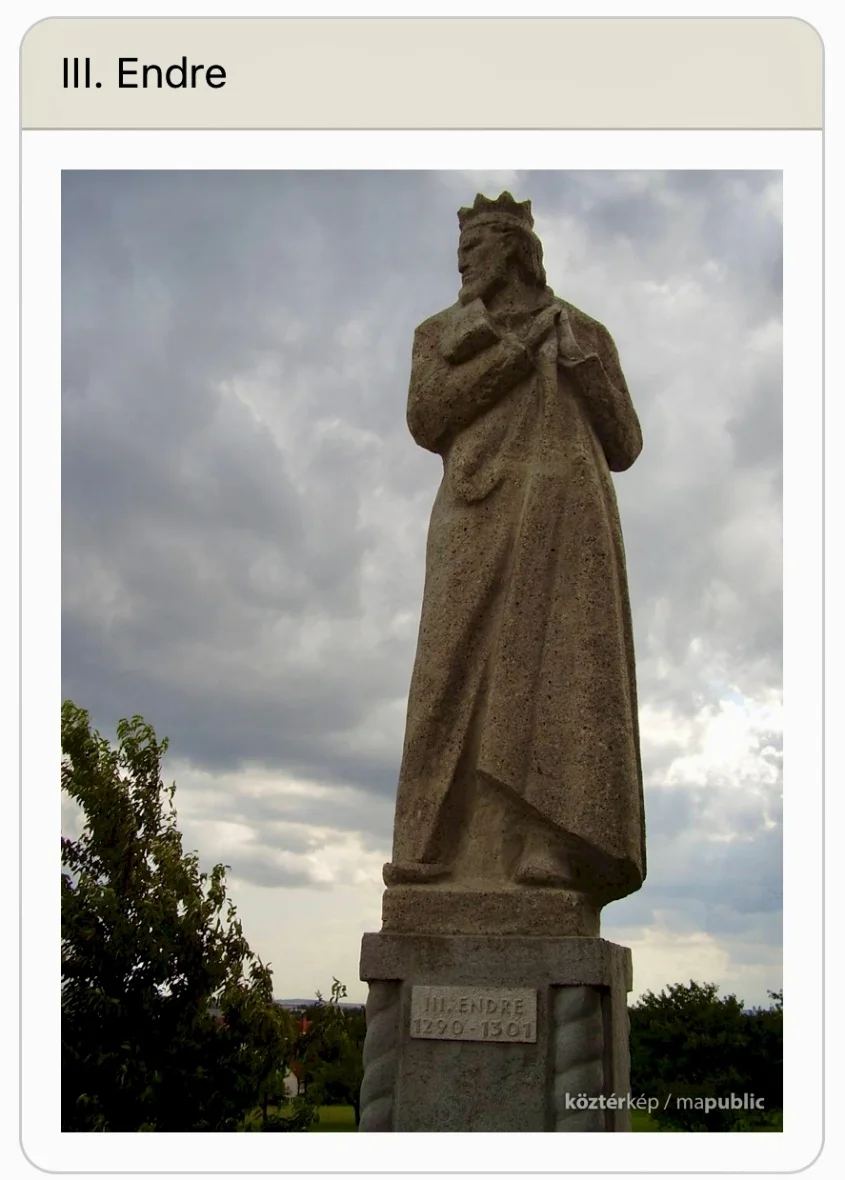
ANDRÁS III

ANDRÁS III

The series of rulers of the House of Árpád in the historical arcade concludes with András III, traditionally regarded by historians as the last Hungarian king of the Árpád dynasty. His reign began in 1290, after the deat...

Tovább
ANONYMUS

ANONYMUS

Among the figures in the historical arcade are not only kings and military commanders, but also those whose work preserved the memories of the Hungarian past. Anonymus, the best-known chronicler of medieval Hungarian his...

Tovább
CHARLES ROBERT AND LOUIS THE GREAT

CHARLES ROBERT AND LOUIS THE GREAT

In the historical arcade, Charles Robert and his son, King Louis the Great, appear together. The father and son evoke one of the strongest periods of the medieval Kingdom of Hungary, when the country’s political standing...

Tovább
WLADISLAUS I

WLADISLAUS I

In the historical arcade, King Wladislaus I of Hungary evokes one of the most turbulent periods of the medieval Kingdom of Hungary. The ruler, who came from the Polish Jagiellonian dynasty, ascended the Hungarian throne...

Tovább
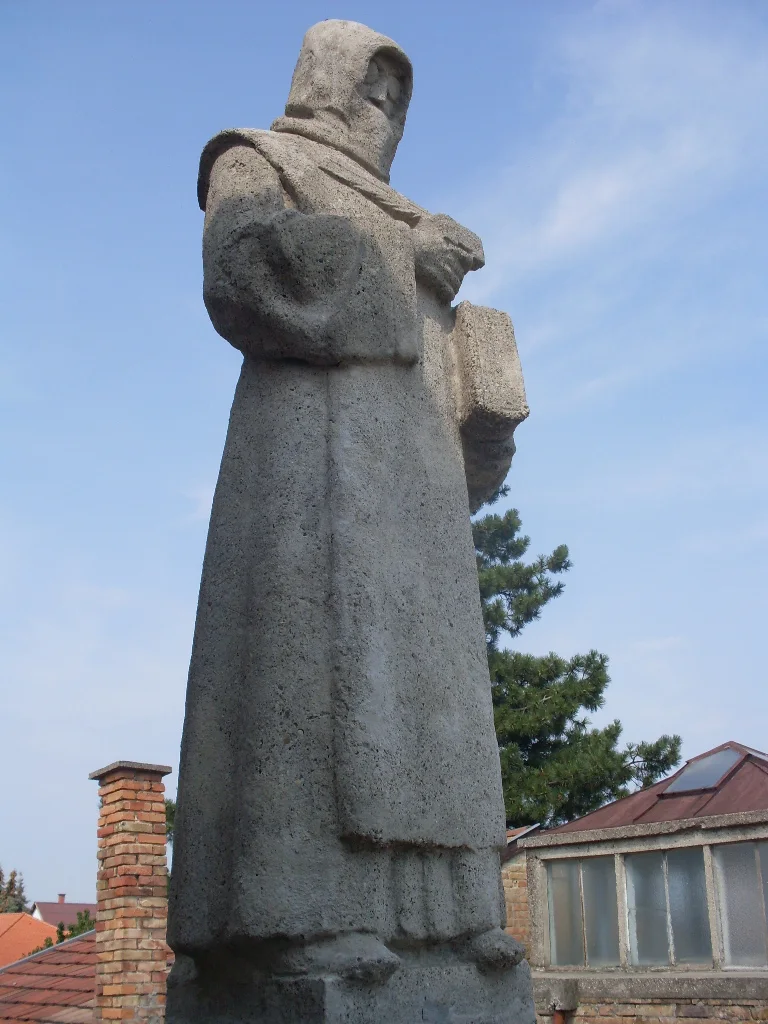
HUNYADI AND KAPISZTRÁN

HUNYADI AND KAPISZTRÁN

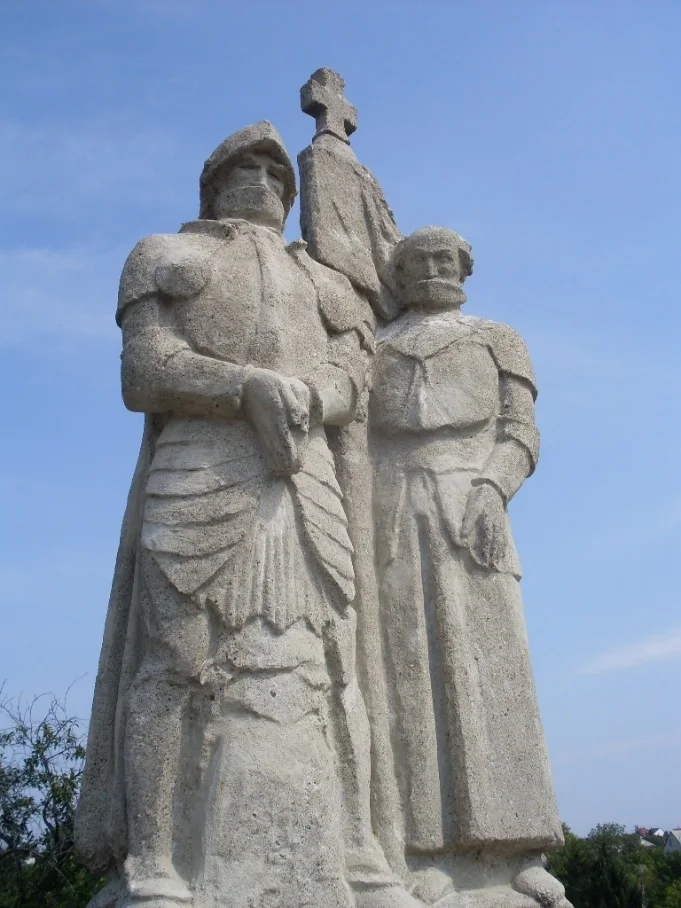
One sculptural group in the historical arcade brings together Hunyadi János and Kapisztrán János. With this composition, Bory Jenő recalled the victory at Nándorfehérvár in 1456, one of the defining military events in Hu...

Tovább
THE ARTIST OF KING MATTHIAS

THE ARTIST OF KING MATTHIAS

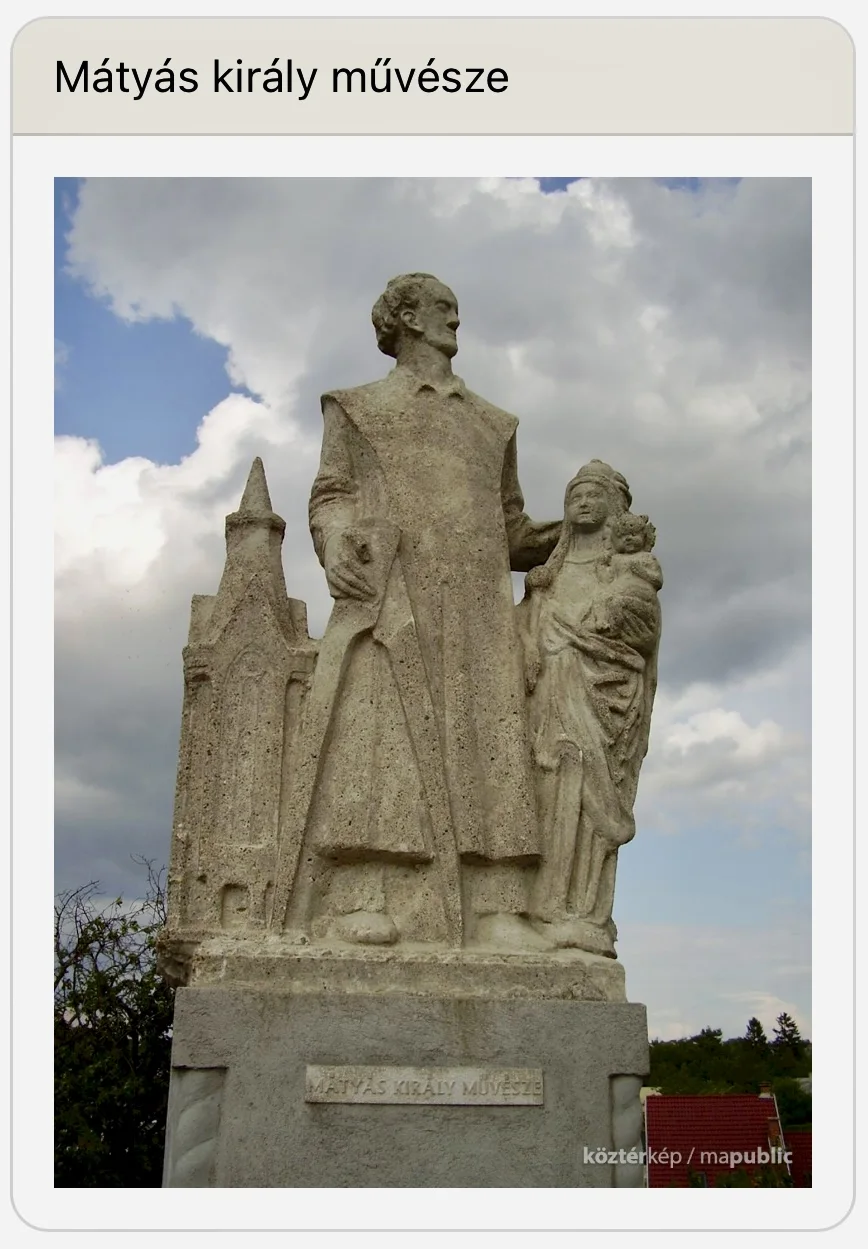
Among the figures of the historical arcade, visitors also encounter an unusual sculptural group. Here Bory Jenő did not portray a ruler or military commander, but ‘the artist of King Matthias’, thereby commemorating the...

Tovább
KING MATTHIAS AND BEATRIX OF ARAGON

KING MATTHIAS AND BEATRIX OF ARAGON

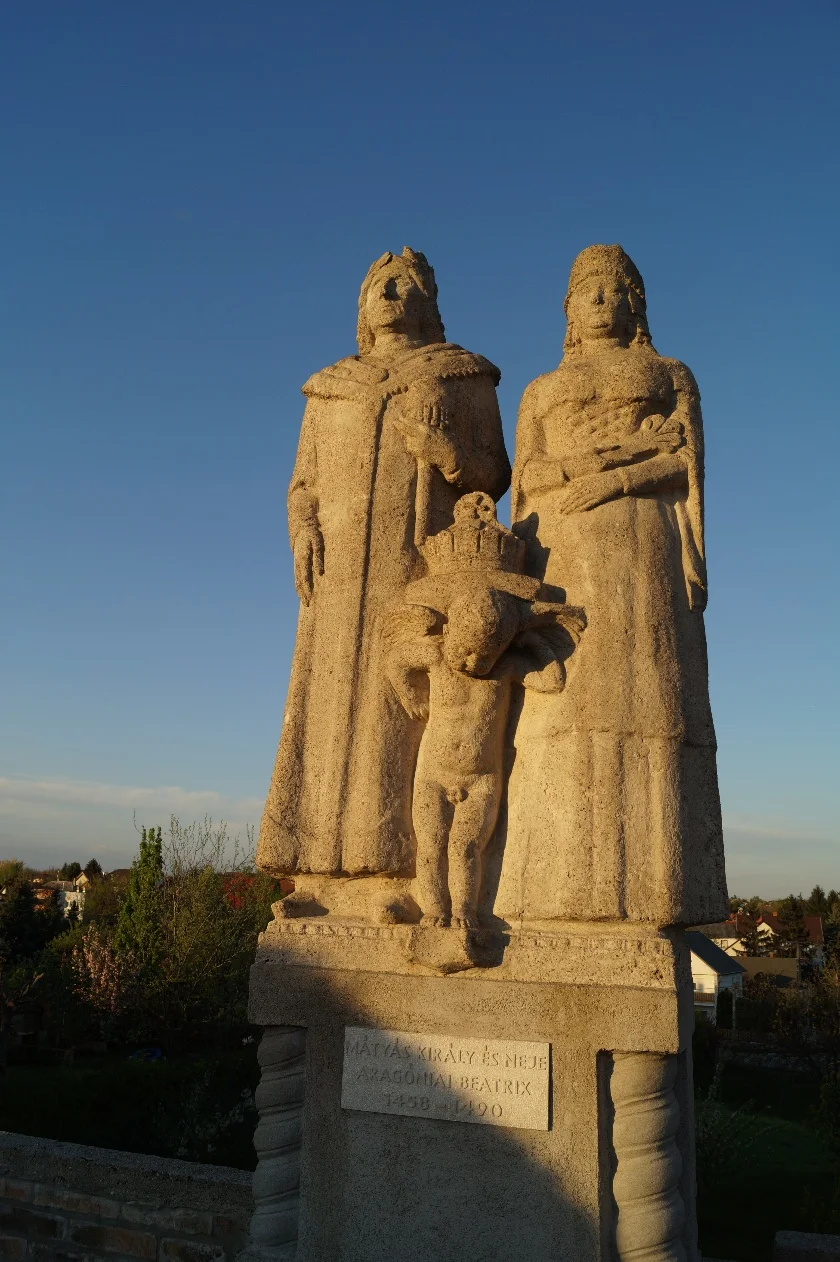
One sculptural group in the historical arcade depicts Matthias Hunyadi and his second wife, Queen Beatrix of Aragon. The royal couple evokes the Hungarian kingdom of the second half of the fifteenth century, when alongsi...

Tovább
LOUIS II AND PÁL TOMORI

LOUIS II AND PÁL TOMORI

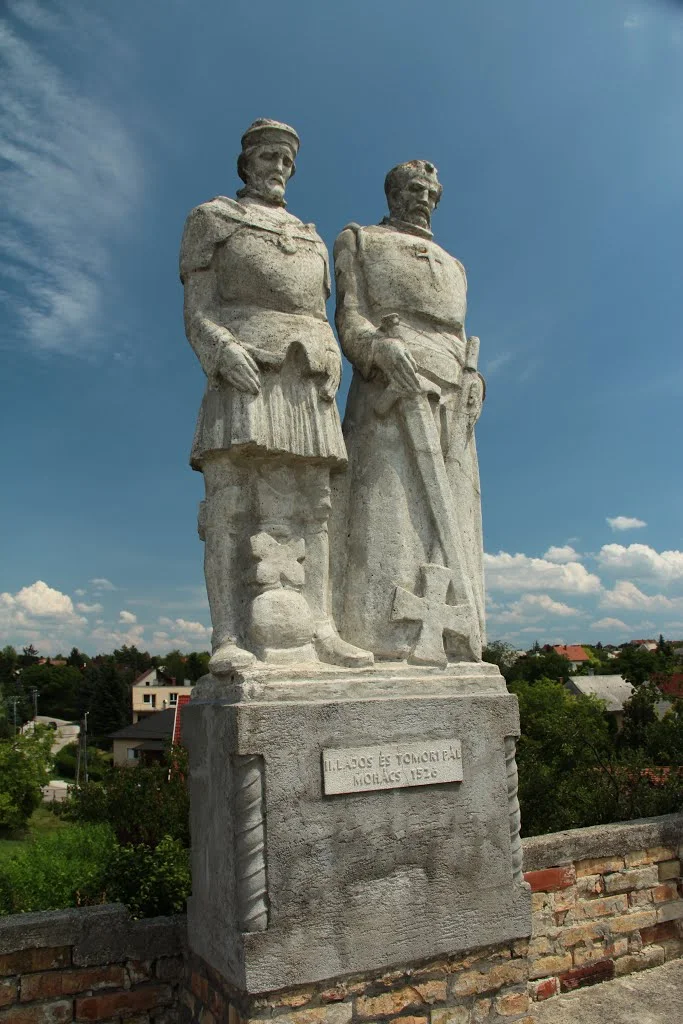
In the historical arcade, the figures of King Louis II and Pál Tomori recall the Battle of Mohács. Bory Jenő portrayed the young ruler and his military commander side by side, evoking the historical moment when Hungary f...

Tovább
FERDINAND I AND JÁNOS SZAPOLYAI

FERDINAND I AND JÁNOS SZAPOLYAI

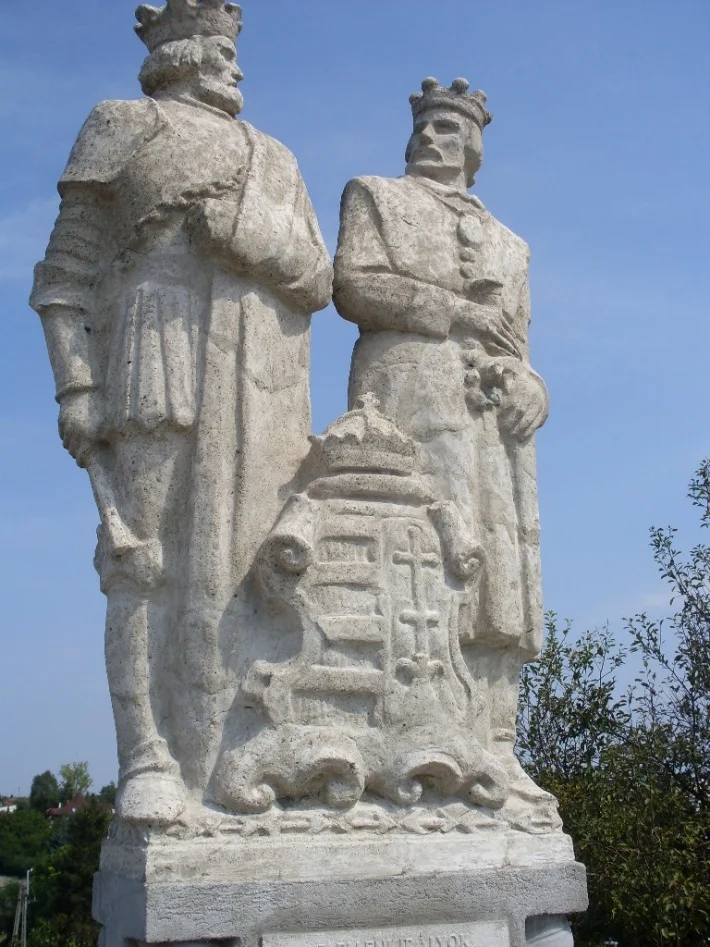
One sculptural group in the historical arcade depicts Ferdinand I and János Szapolyai. In doing so, Bory Jenő placed not merely two rulers side by side, but recalled one of the most critical periods in Hungarian history:...

Tovább
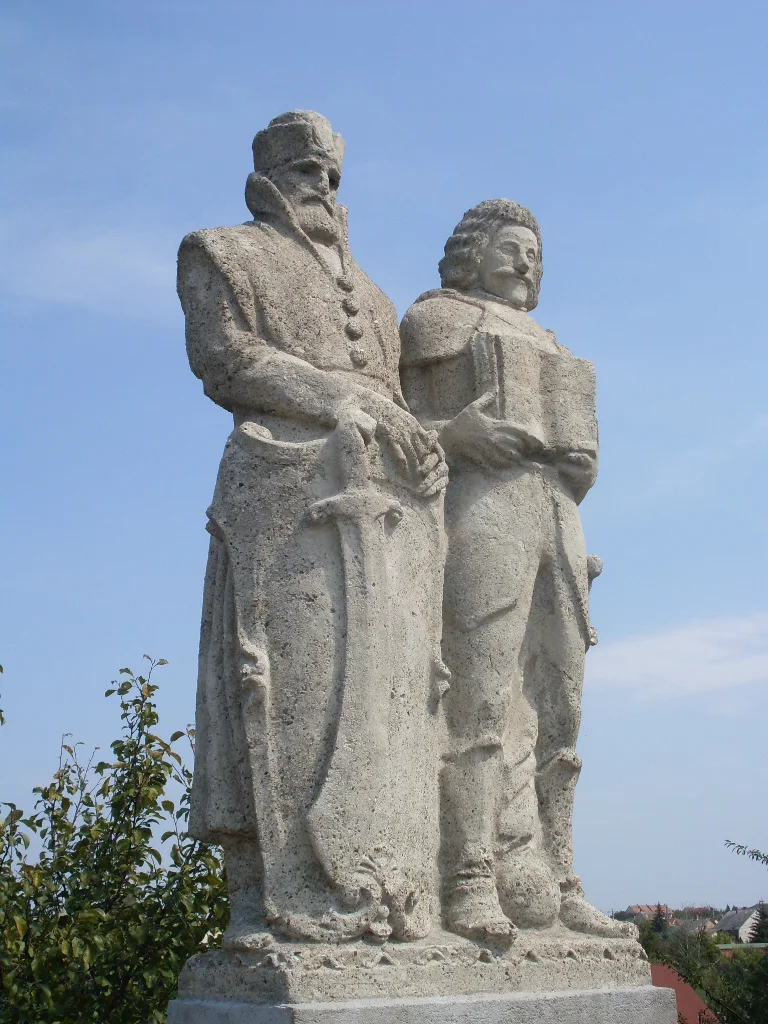
SZONDI AND HIS TWO PAGES

SZONDI AND HIS TWO PAGES

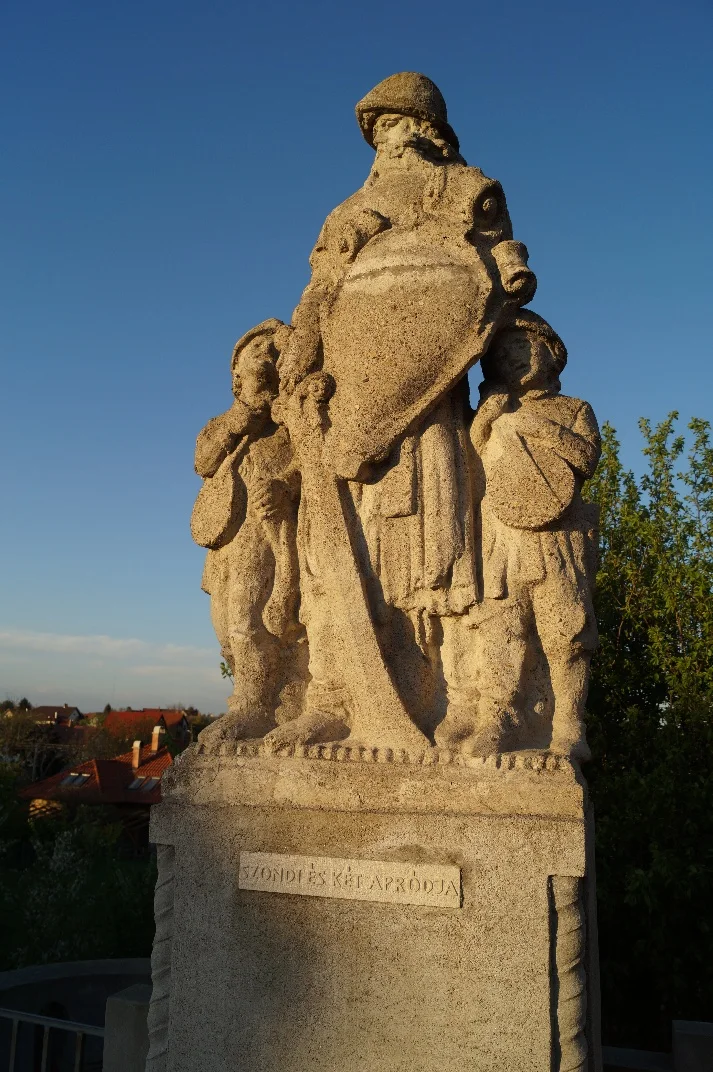
One group of figures in the historical arcade depicts György Szondi and his two pages. The composition recalls one of the best-known stories of the Hungarian border-fortress wars, made part of national memory by János Ar...

Tovább
ZRÍNYI THE HERO, ZRÍNYI THE POET

ZRÍNYI THE HERO, ZRÍNYI THE POET

One of the wittiest compositions in the historical arcade places the two Miklós Zrínyis side by side. Here Bory Jenő recalled not two different members of the family, but two outstanding figures of the Zrínyi family who...

Tovább
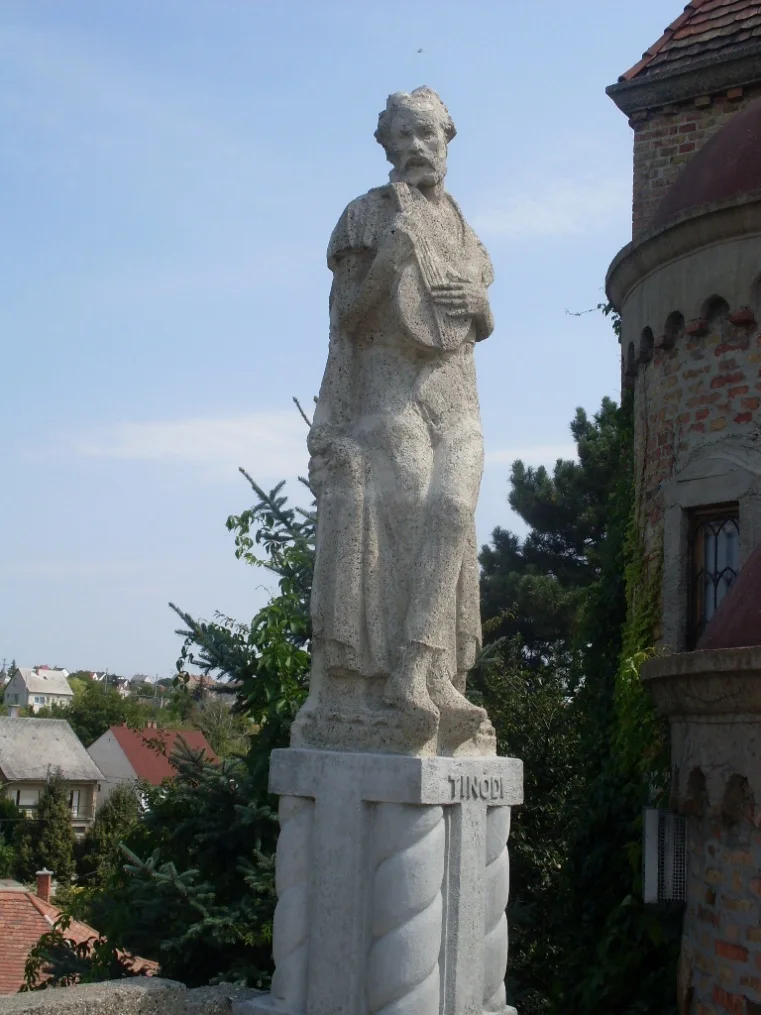
TINÓDI

TINÓDI

One figure in the historical arcade is Sebestyén Tinódi Lantos, an unusual personality of sixteenth-century Hungarian literature and historiography. Bory Jenő included him among the figures of this pantheon not as a mili...

Tovább

Privacy

Essential cookies are always used for site operation. The Tripadvisor widget and YouTube video are loaded only if you accept optional cookies.

Privacy and cookie notice