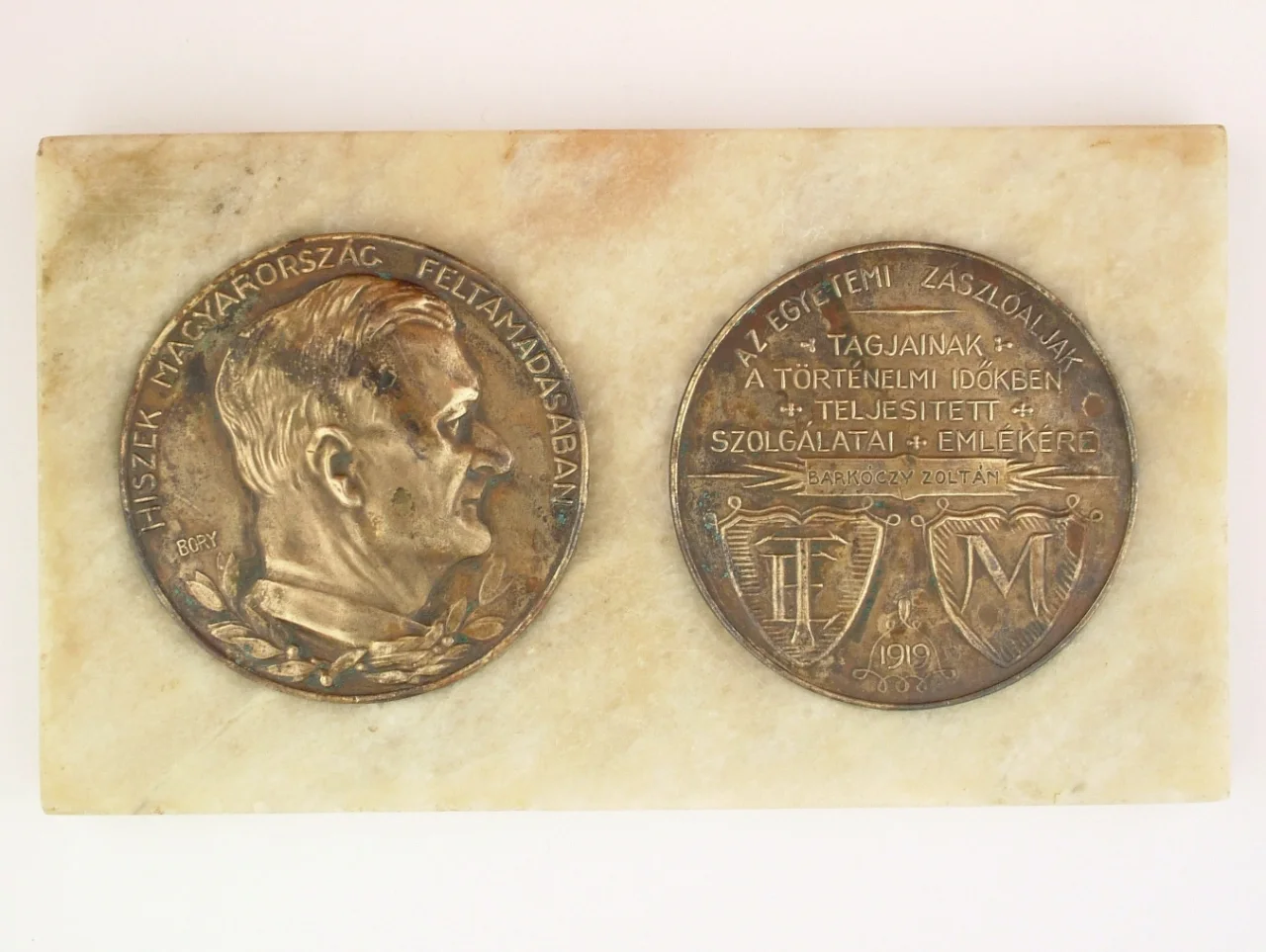
Bory Jenő is known to the general public chiefly as a sculptor, architect and the creator of Bory Castle in Székesfehérvár. Less well known, however, is that medal and plaquette art formed a significant and art-historically valuable field of his creative activity.
Although medals play a less numerous role in his oeuvre than his monumental sculptures or public works, they are characterised by the same high standard of formal culture, assured draughtsmanship and ability to represent the human figure that made his sculptural work outstanding.
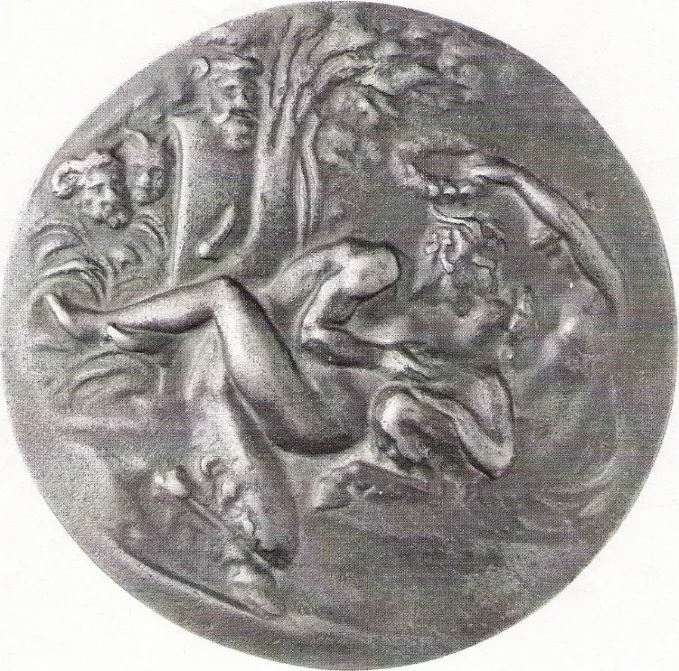
His medals and plaquettes occupy a distinctive place in Hungarian medal art of the first half of the twentieth century. Historical figures, church leaders, fellow artists, scholars and university professors appear in his works, alongside architectural monuments, themes of war, allegorical figures and compositions of religious subject matter. His works carry both the strength of sculptural plasticity and the concision of medal art, which is capable of presenting complete personalities, stories and ideas on a surface only a few centimetres across.
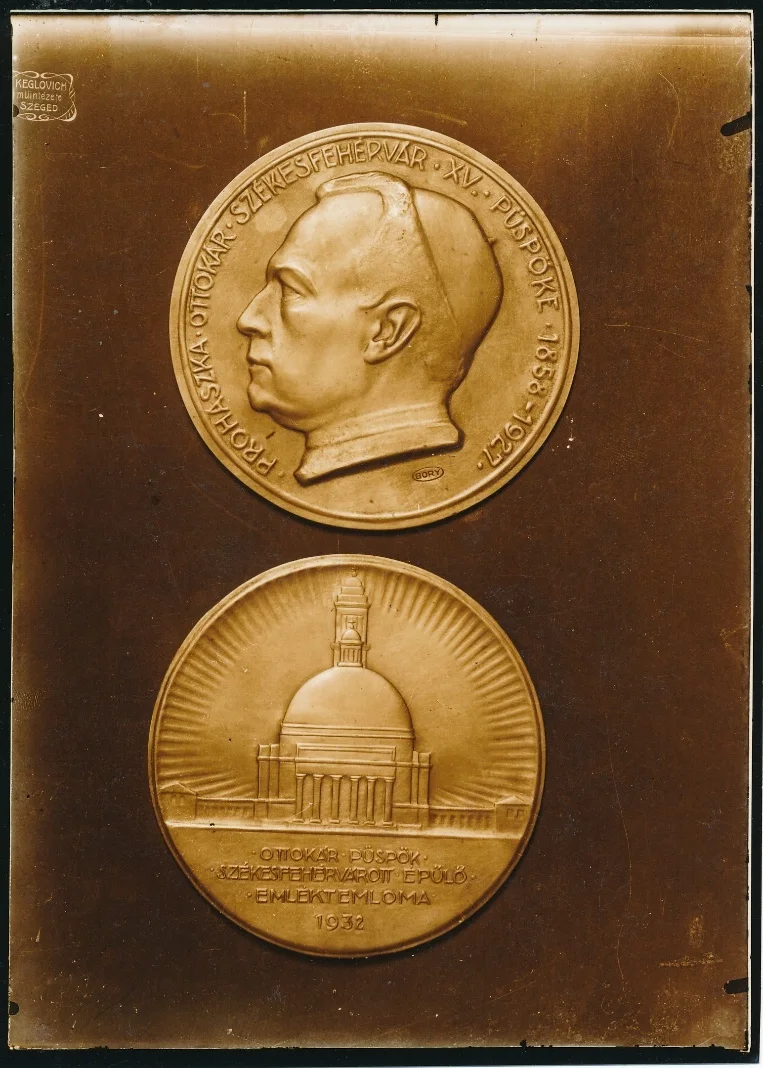
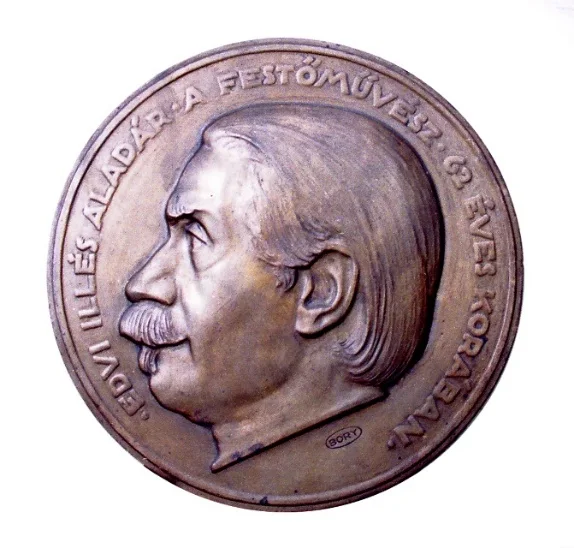
One of the most important characteristics of Bory’s medal art is its distinctive portraiture. His likenesses are not only recognisable, but also convey the intellectual and human qualities of the persons portrayed. His medals of Bishop Prohászka Ottokár, György Zala, Ede Balló, István Bosznay and Lajos Ilosvay alike testify to his exceptional powers of observation and gift for portraiture. His training as an architectural engineer is also reflected in his works: in his medals depicting buildings, the precision of form and sensitivity to architectural detail are especially noteworthy.
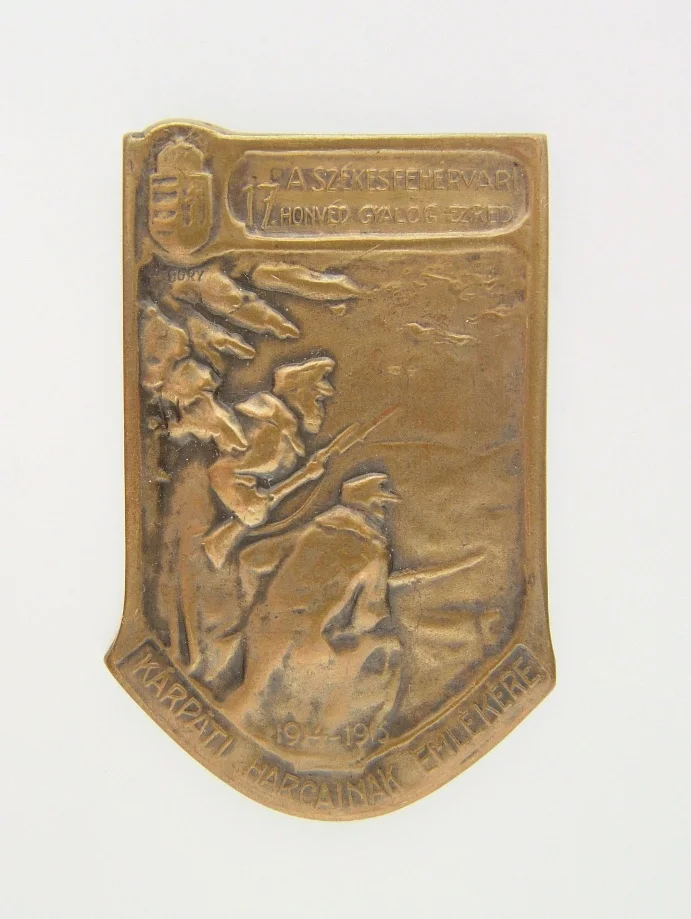
His works relating to the First World War form a separate chapter. His cap badges made for the 17th Honvéd Infantry Regiment in Székesfehérvár, together with his medals connected with remembrance of the war, are works of not only artistic but also historical significance. These works are closely related to Bory’s activity as a monument sculptor, for they are informed by the same outlook that gives form to heroism, steadfastness and national remembrance.
His medals and plaquettes were mostly produced in small editions and are therefore considered rare today. Many works are held in the collection of Bory Castle, in museums or in private collections, and are only rarely seen by the general public. Yet these small-scale works belong as fully to Bory Jenő’s rich oeuvre as his monumental public sculptures or the castle he built with his own hands. His medal works are valuable examples of Hungarian medal art and deserve greater attention in any appreciation of the artist’s oeuvre.