BORY-VÁR logo BORY-VÁR Private museum
Menu

BORY CASTLE

MONUMENTS

Monument sculpture formed one of the most significant and influential areas of Bory Jenő’s artistic career. His activity belonged to a period when the public monument became a privileged genre of national identity, historical remembrance and communal representation in Hungary.

The traditions of monument sculpture that emerged at the end of the nineteenth century continued to determine the outlook of the genre for a long time, and Bory’s works too were created within this historical and artistic context. His oeuvre brought together respect for historicising traditions, a desire for monumental form and a search for individual artistic solutions.

From the early stages of his career, the artist took part in the important monument competitions of his time. He prepared numerous designs to commemorate historical figures and national events. Although several of these survive only as designs or plaster models, they clearly reveal Bory’s attraction to large-scale, multi-figured compositions on historical subjects. His conceptions emphasised monumental effect, allegorical thinking and the integration of historical narrative into a unified whole.

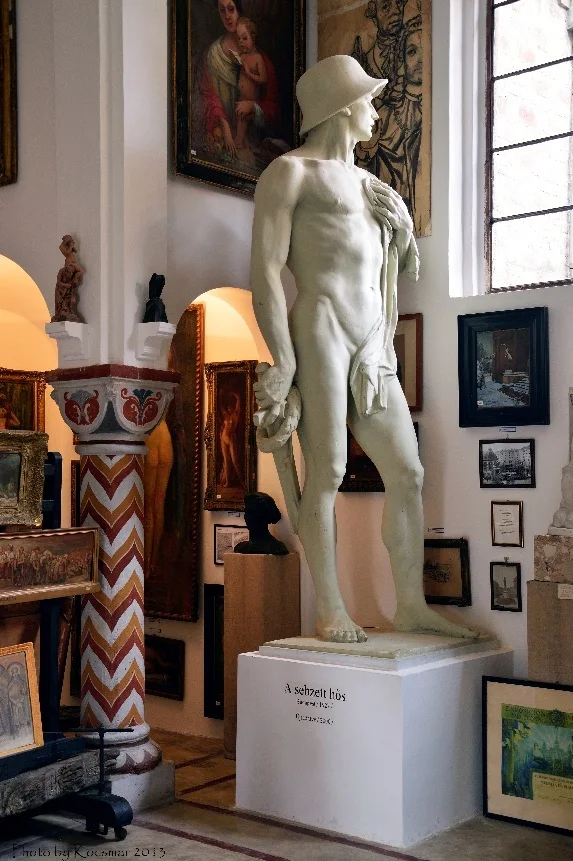
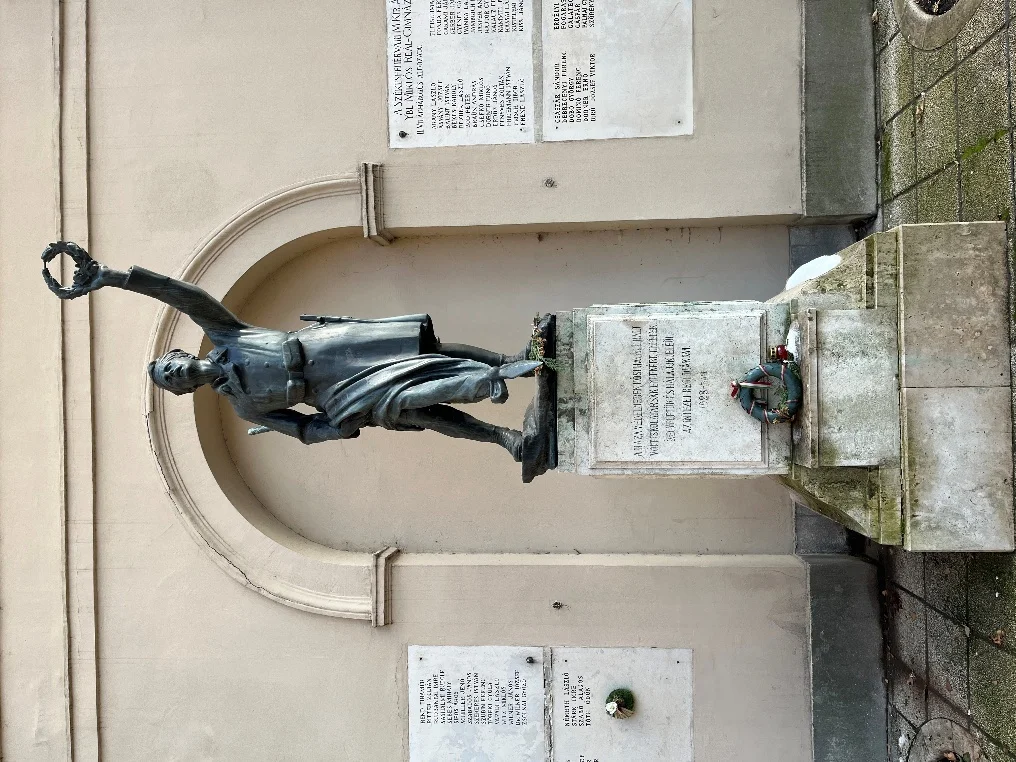
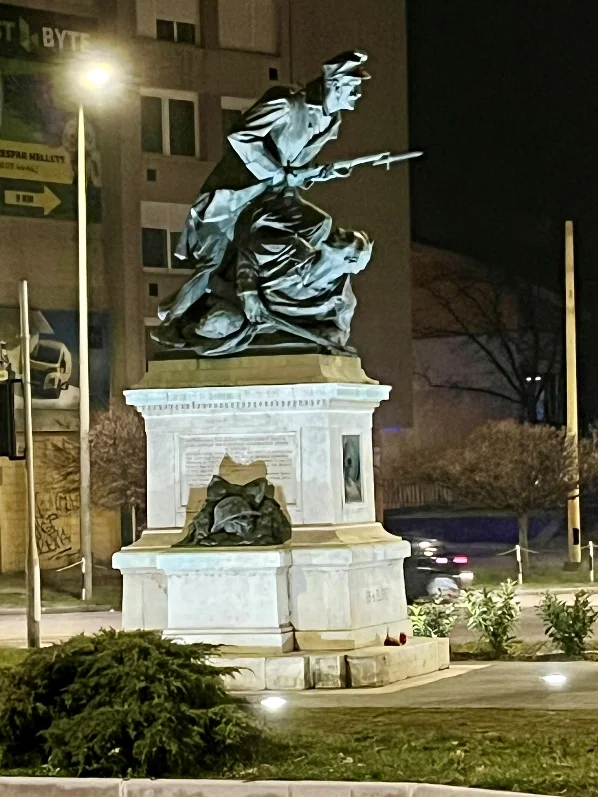
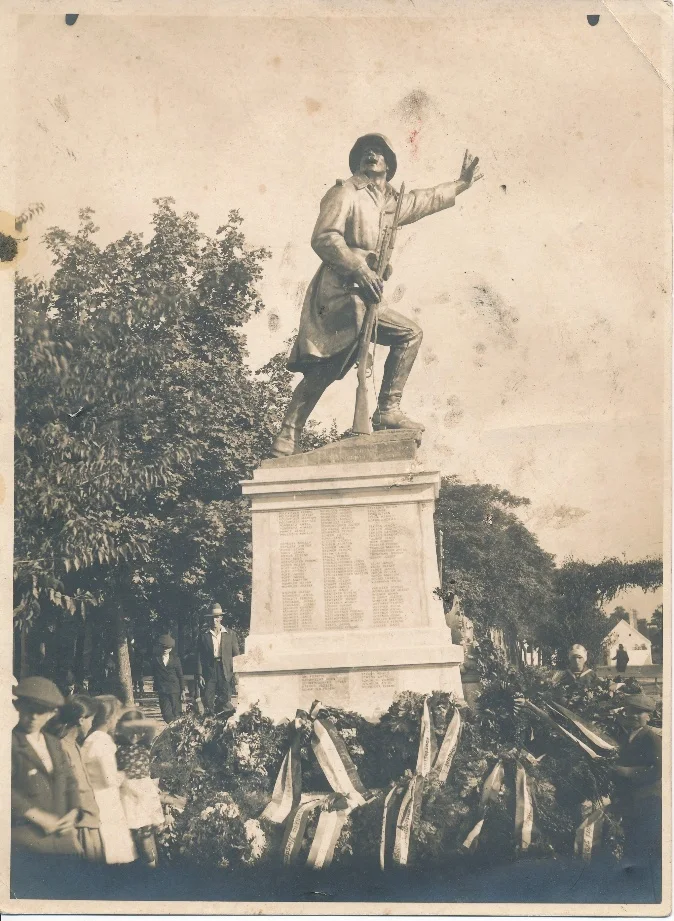
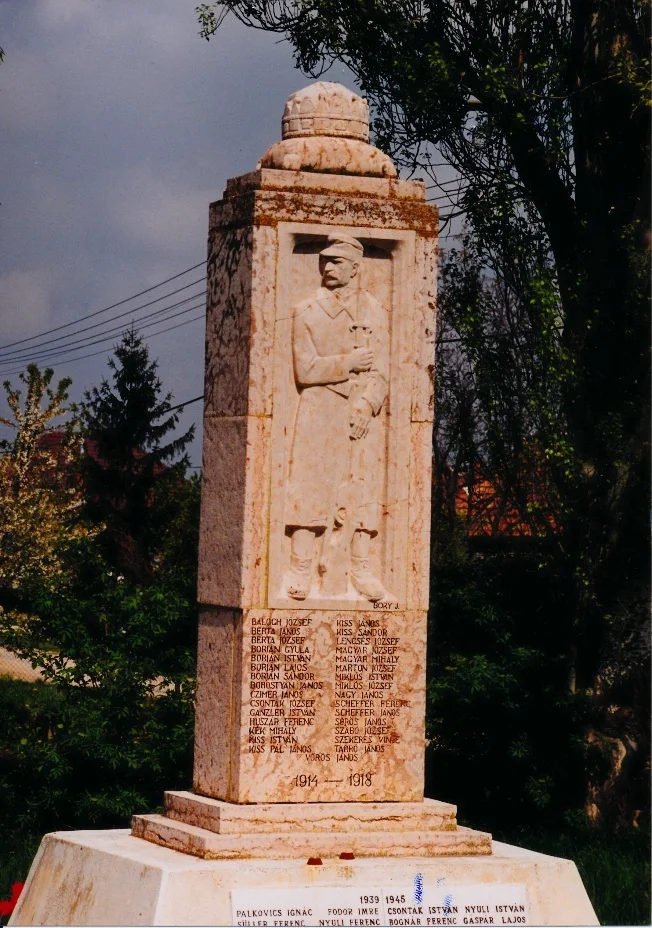
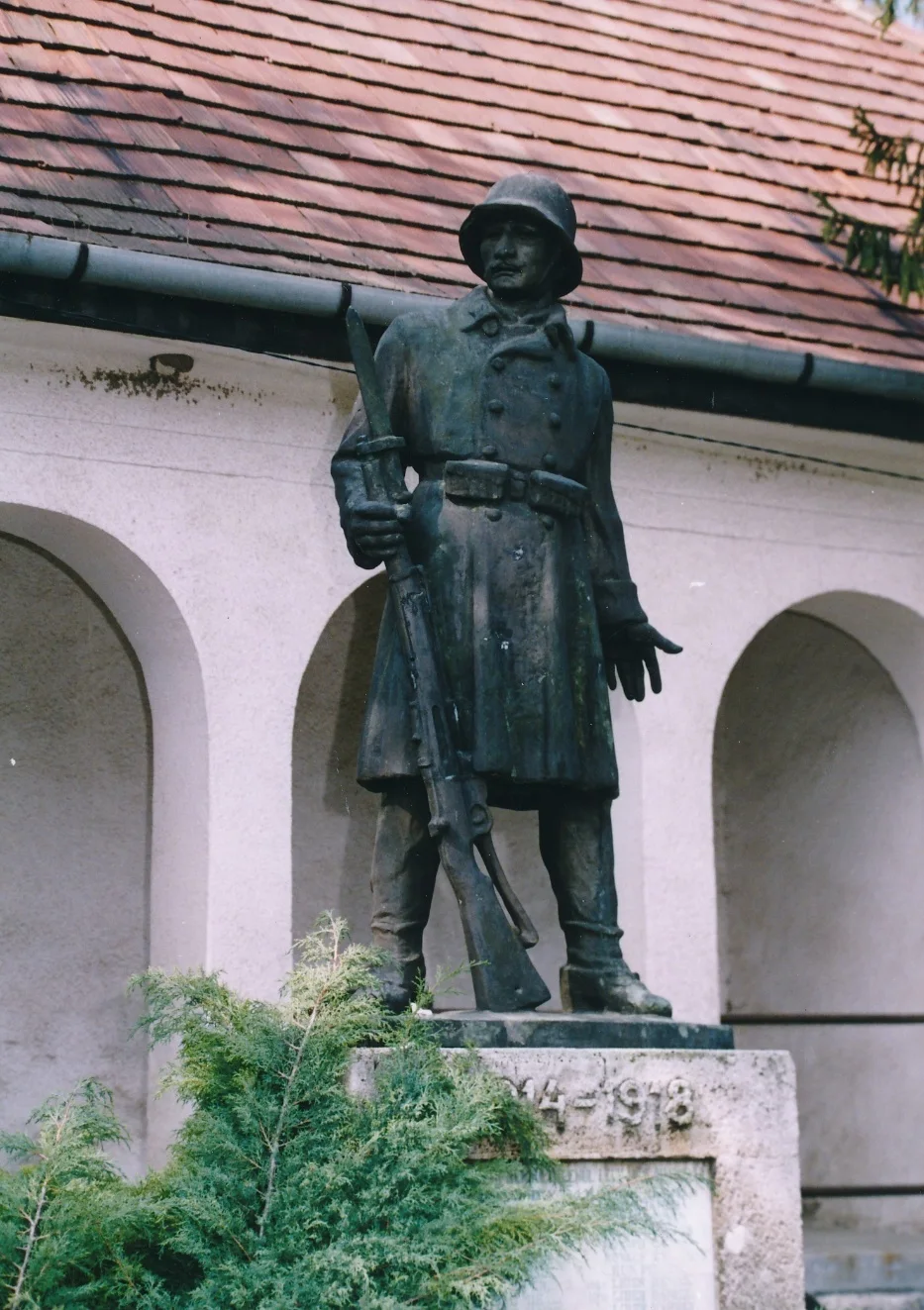
The period following the First World War was a particularly important chapter in his monument sculpture. In the wake of nationwide efforts in the politics of remembrance, numerous settlements commissioned war memorials from him. The works at Mór, Kőszárhegy, Dunapentele and Székesfehérvár reflect the period’s general iconographic schemes, yet in several cases Bory moved beyond the officially preferred models. One of the finest examples is the sculpture entitled Wounded Hero, which articulates the tragedy of war through the means of classical nude sculpture and the strength of the heroic human figure. The work shows a formal affinity with the depiction of the human figure by Renaissance masters, especially Michelangelo, while discreetly alluding to the reality of modern warfare.

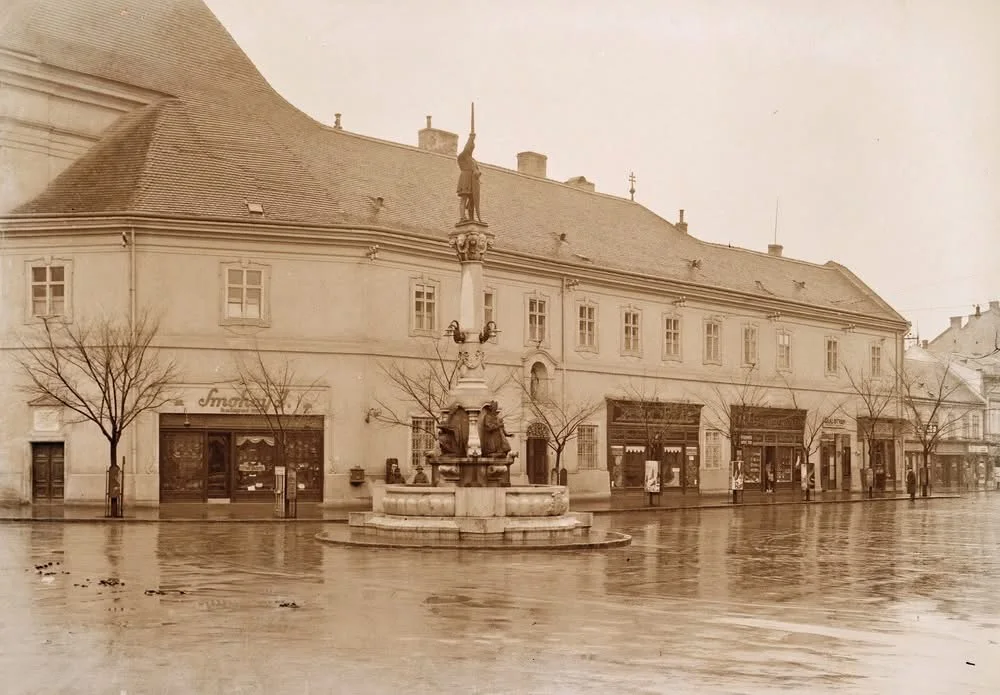
An outstanding characteristic of Bory Jenő’s monument sculpture is the harmonious union of architecture and sculpture. The most significant realisation of this aspiration is the Bishop’s Fountain in Székesfehérvár, unveiled in 1928, which represents the relationship between the founding of the Hungarian state and the Christian Church. The work is one of the most complete expressions not only of Bory’s sculptural ability, but also of his architectural thinking.

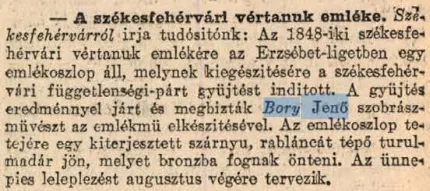
Memories of national history also played an important role in his oeuvre. Among his works connected with the figures of the Revolution and War of Independence of 1848–49, the Batthyány Monument at Ikervár, unveiled in 1913, stands out. Through the dignified, restrained figure of the tragically fated prime minister, it places at its centre the ideals of historical fidelity and moral steadfastness. In a similar spirit, the bronze turul bird on the 1848 commemorative column in Székesfehérvár is connected with the tradition of national remembrance; it is one of Bory’s significant early public works.

Bory Jenő’s monuments did not merely serve to recall historical events or figures. His works embody a desire to shape communal remembrance, respect for the national past and a commitment to artistic expression. They form a defining part of Hungarian monument sculpture in the first half of the twentieth century, and have left an enduring mark especially on the townscape of Székesfehérvár. These works testify alike to their creator’s historical sensitivity, monumental outlook and aspiration to cast national remembrance into lasting form through the means of public sculpture.
MONUMENTS

MONUMENTS

HALESZ TURUL MEMORIAL (1909)

HALESZ TURUL MEMORIAL (1909)

One of Bory Jenő’s earliest public works in Székesfehérvár is the Turul Memorial in Halesz Park, commemorating the martyrs from the city who fell in the War of Independence of 1848–49. The statue is not merely a work of...

Tovább
COUNT LAJOS BATTHYÁNY (1913)

COUNT LAJOS BATTHYÁNY (1913)

One of the most important historical monuments in the centre of Ikervár is Bory Jenő’s full-length statue of Count Lajos Batthyány. Standing near Batthyány Castle, the work fittingly commemorates Hungary’s first responsi...

Tovább
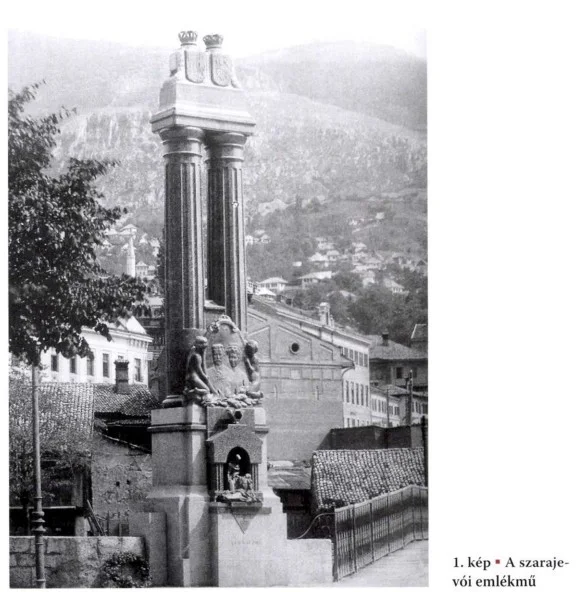
SARAJEVO FRANZ FERDINAND MEMORIAL (1917)

SARAJEVO FRANZ FERDINAND MEMORIAL (1917)

One of the most distinctive and internationally significant works in Bory Jenő’s oeuvre is the Franz Ferdinand Memorial in Sarajevo, erected at one of the world’s best-known historical sites, near the place of the Saraje...

Tovább
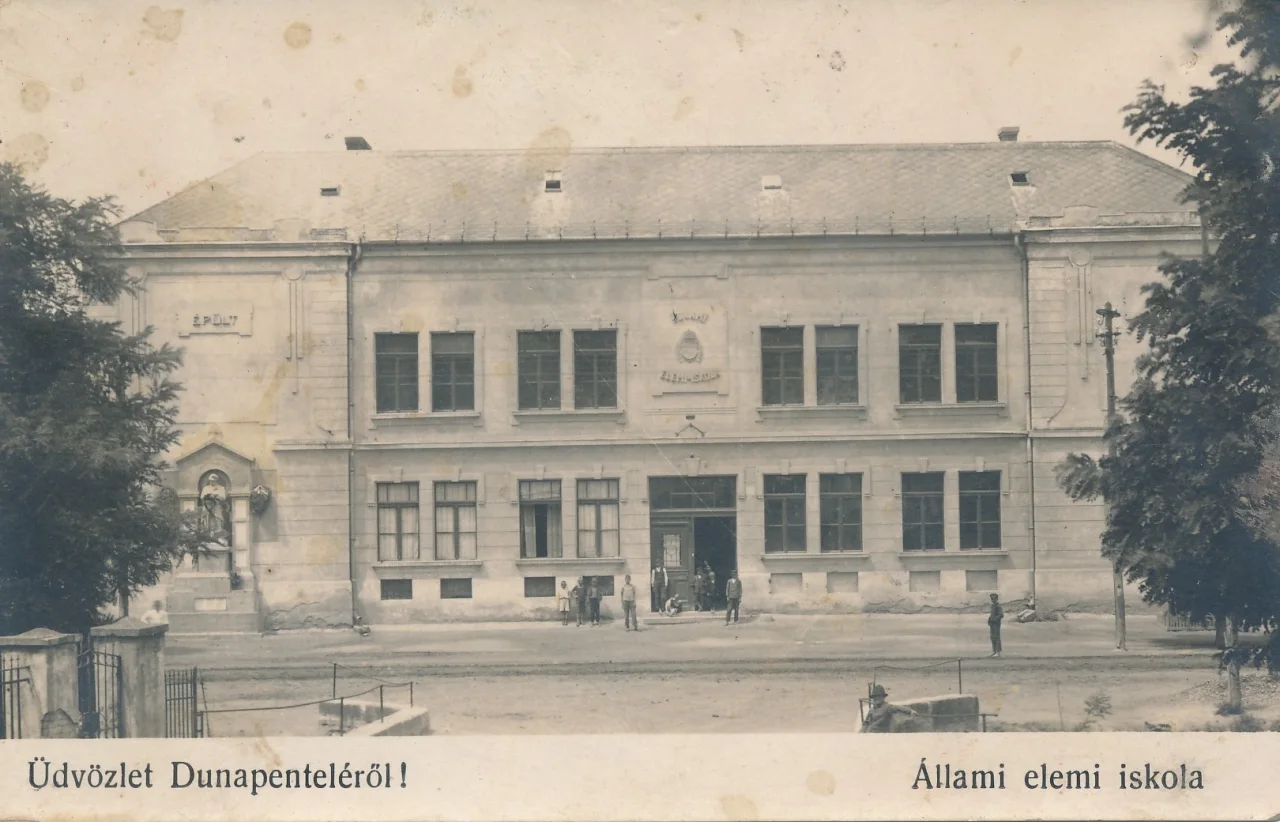
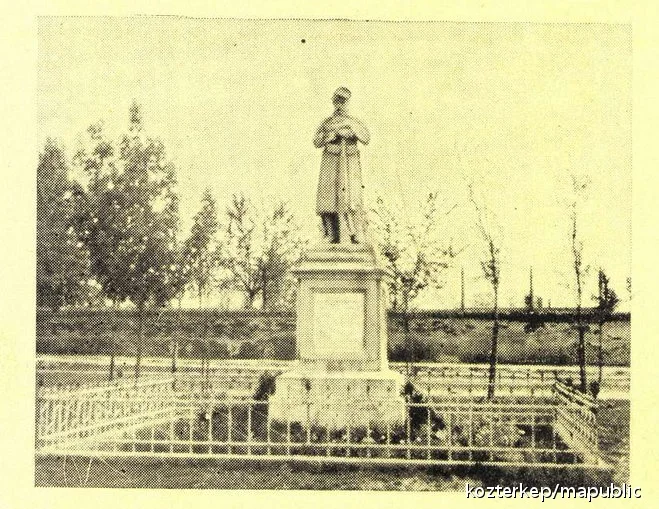
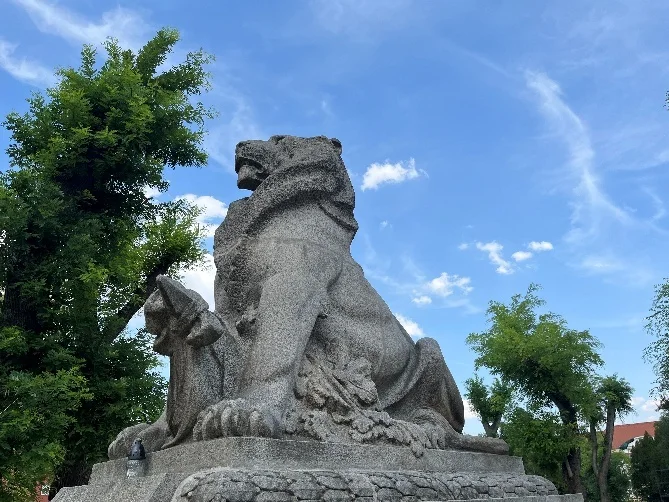
DUNAPENTELE FIRST WORLD WAR MEMORIAL (1924)

DUNAPENTELE FIRST WORLD WAR MEMORIAL (1924)

A special place among Bory Jenő’s First World War memorials is occupied by the heroes’ memorial in the old town of present-day Dunaújváros, formerly Dunapentele. The work was unveiled on 16 November 1924 and can still be...

Tovább
BEREKBÖSZÖRMÉNY WAR MEMORIAL (1927)

BEREKBÖSZÖRMÉNY WAR MEMORIAL (1927)

The Berekböszörmény War Memorial was unveiled on 12 June 1927. The work occupies a special place in Bory Jenő’s oeuvre, since for a long time even researchers were uncertain of its authorship. Only later did it become cl...

Tovább
BISHOPS’ FOUNTAIN (1928)

BISHOPS’ FOUNTAIN (1928)

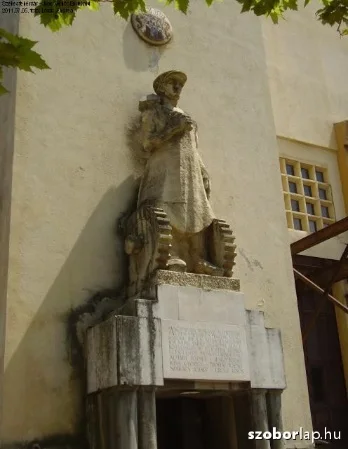
The Bishops’ Fountain in Székesfehérvár is one of Bory Jenő’s most significant public works, revealing him as both sculptor and architect. Made in 1928, the monumental ornamental fountain evokes the foundation of the Hun...

Tovább
69TH FORWARD! MEMORIAL (1931)

69TH FORWARD! MEMORIAL (1931)

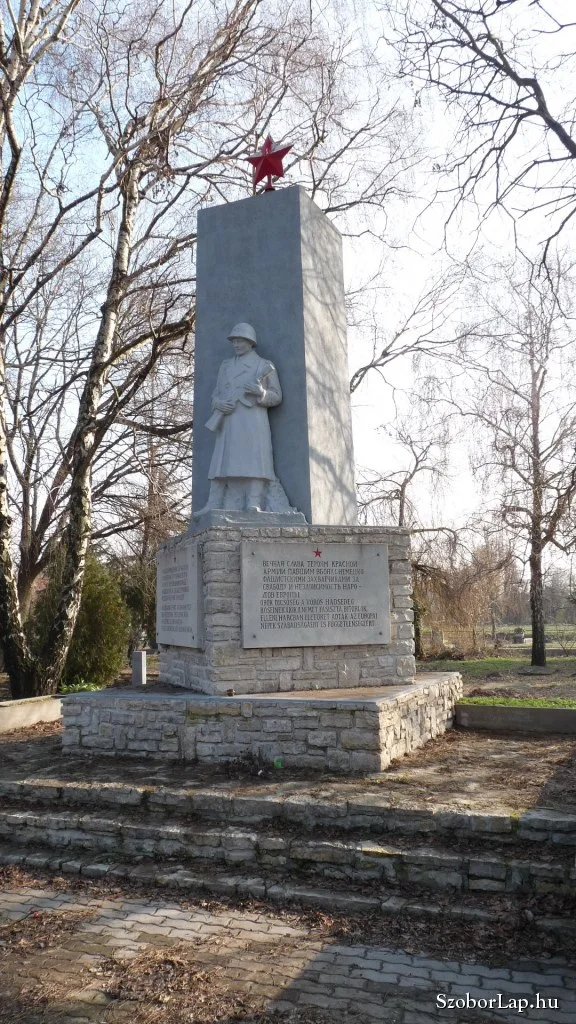
One of Bory Jenő’s most important military memorials is the ‘69th Forward!’ Memorial in Székesfehérvár, erected in memory of soldiers of the Imperial and Royal 69th Infantry Regiment (popularly known as the 69th Hindenbu...

Tovább
MÓR FIRST WORLD WAR MEMORIAL (1931)

MÓR FIRST WORLD WAR MEMORIAL (1931)

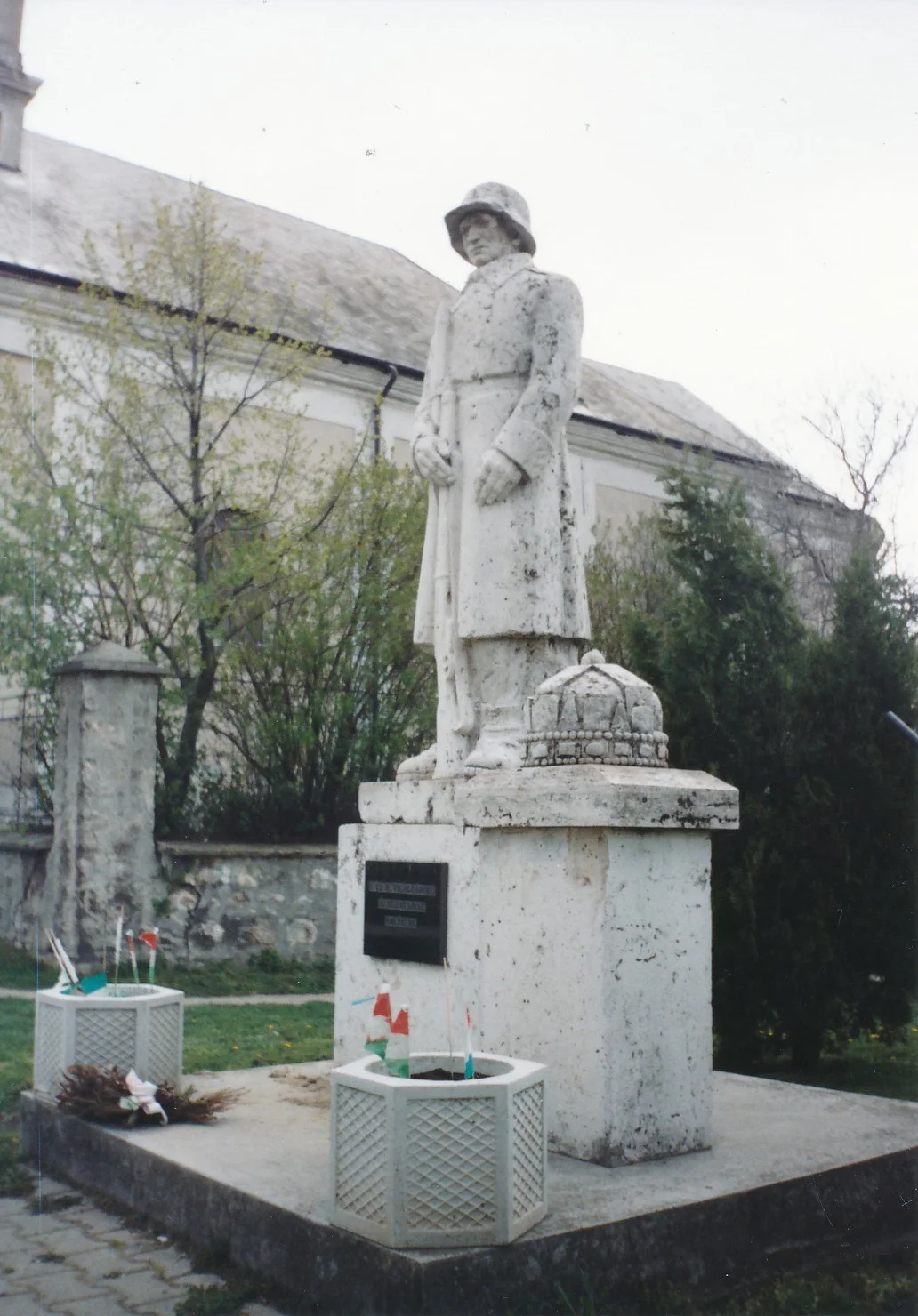
Among Bory Jenő’s First World War memorials, the heroes’ memorial at Mór occupies an outstanding place and is one of the settlement’s most important historical sites of remembrance. It preserves the memory of soldiers fr...

Tovább
KŐSZÁRHEGY WAR MEMORIAL (1939)

KŐSZÁRHEGY WAR MEMORIAL (1939)

On 27 August 1937, the representative body of Kőszárhegy resolved to erect a fitting memorial to the village’s war dead. The organisational work was entrusted to teacher Vitéz István Szabó, whose task was to secure the f...

Tovább
KAJÁSZÓ FIRST WORLD WAR MEMORIAL (1939)

KAJÁSZÓ FIRST WORLD WAR MEMORIAL (1939)

Among Bory Jenő’s late war memorials is the heroes’ memorial at Kajászó, installed in the centre of the village on 5 September 1939. Its creation was preceded by lengthy preparation. Commemoration of the war dead was pro...

Tovább
MIKLÓS YBL (1942)

MIKLÓS YBL (1942)

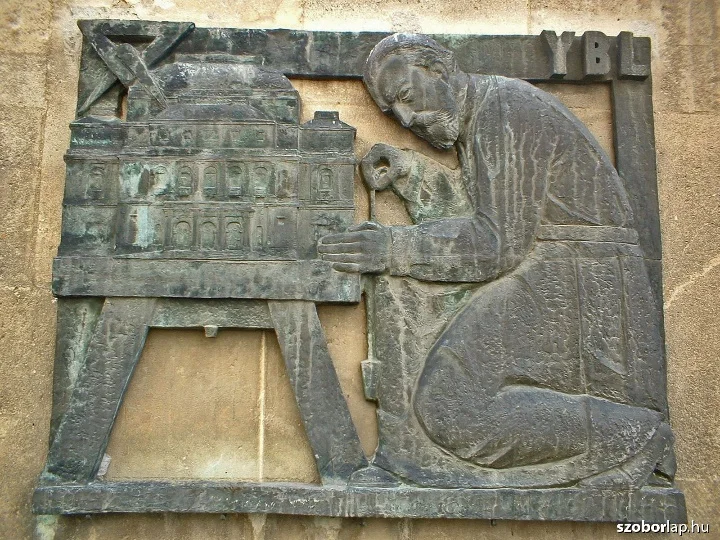
Miklós Ybl, born in Székesfehérvár, was an outstanding figure of nineteenth-century Hungarian architecture, whose memory the city preserves in several works of art. The idea of a memorial plaque in his honour arose as ea...

Tovább
ISZTIMER WAR MEMORIAL (1944)

ISZTIMER WAR MEMORIAL (1944)

The Isztimér War Memorial occupies a distinctive place among Bory Jenő’s war memorials. Its history shows how an earlier work may acquire a new meaning and community role decades after its creation. It now stands in publ...

Tovább
VILLANYTELEP WAR MEMORIAL (1946)

VILLANYTELEP WAR MEMORIAL (1946)

Among Bory Jenő’s lesser-known yet significant works in Székesfehérvár is the relief-like wall sculpture commemorating employees of the former power station. The memorial can now be seen at the E.ON electricity supplier’...

Tovább
POLGÁRDI MILITARY CEMETERY MEMORIAL (1947)

POLGÁRDI MILITARY CEMETERY MEMORIAL (1947)

A little-known late work by Bory Jenő is the memorial in the military cemetery at Polgárdi, made in 1947. It relates not to the First World War but to the devastation of the Second World War, and shows that Bory continue...

Tovább

Gallery

Gallery

Privacy

Essential cookies are always used for site operation. The Tripadvisor widget and YouTube video are loaded only if you accept optional cookies.

Privacy and cookie notice