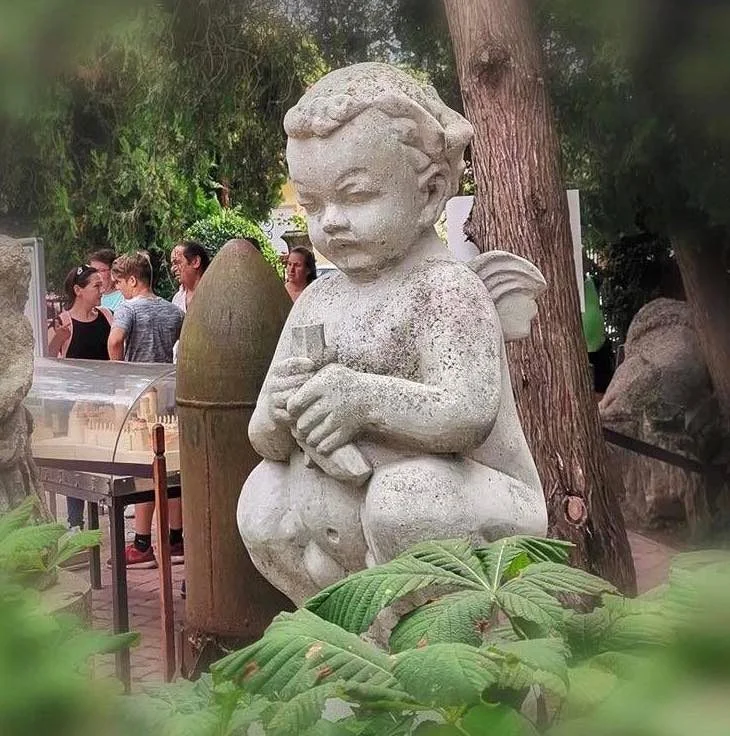
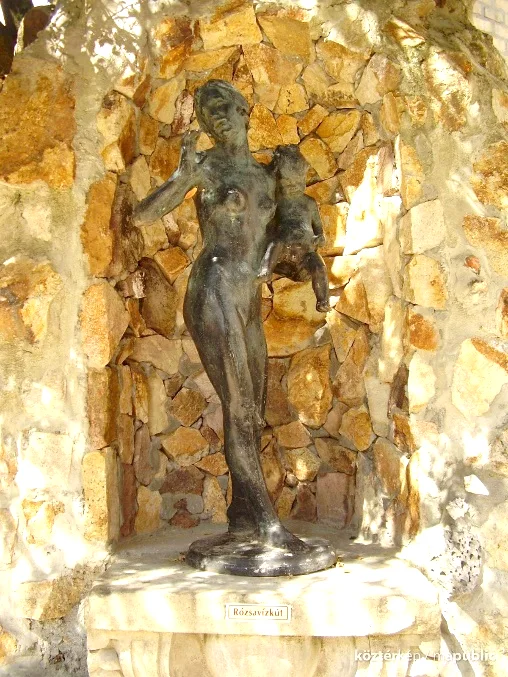
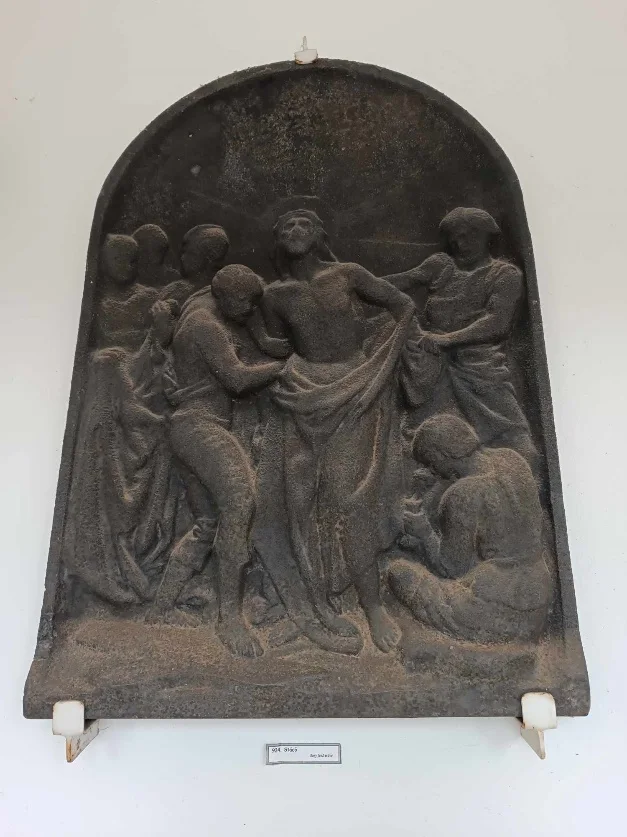
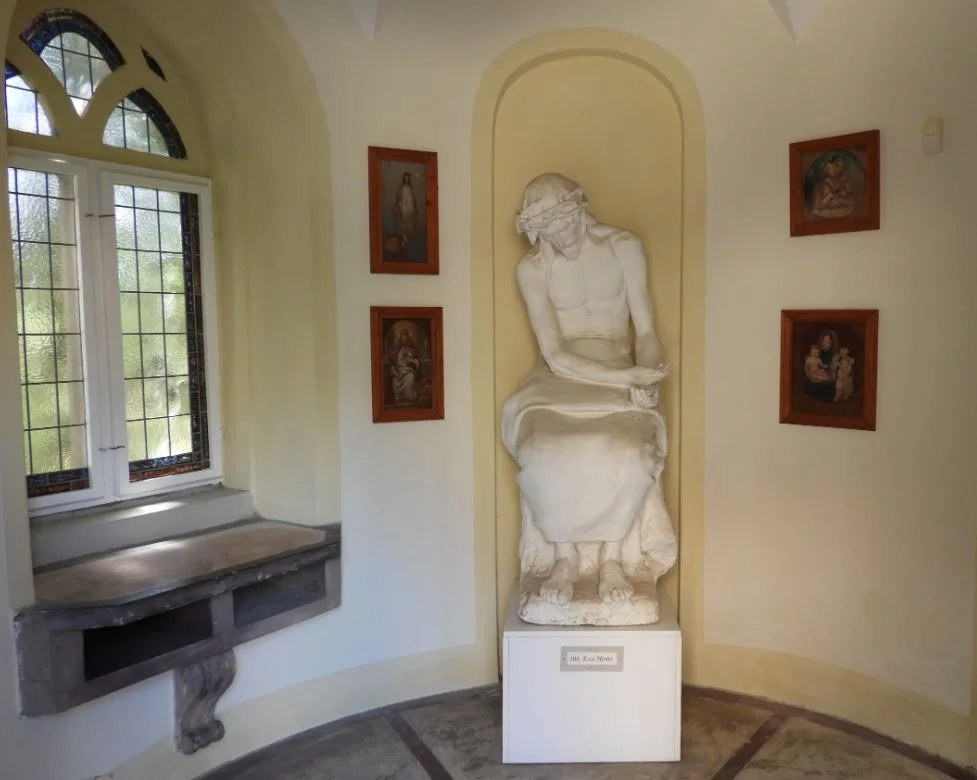
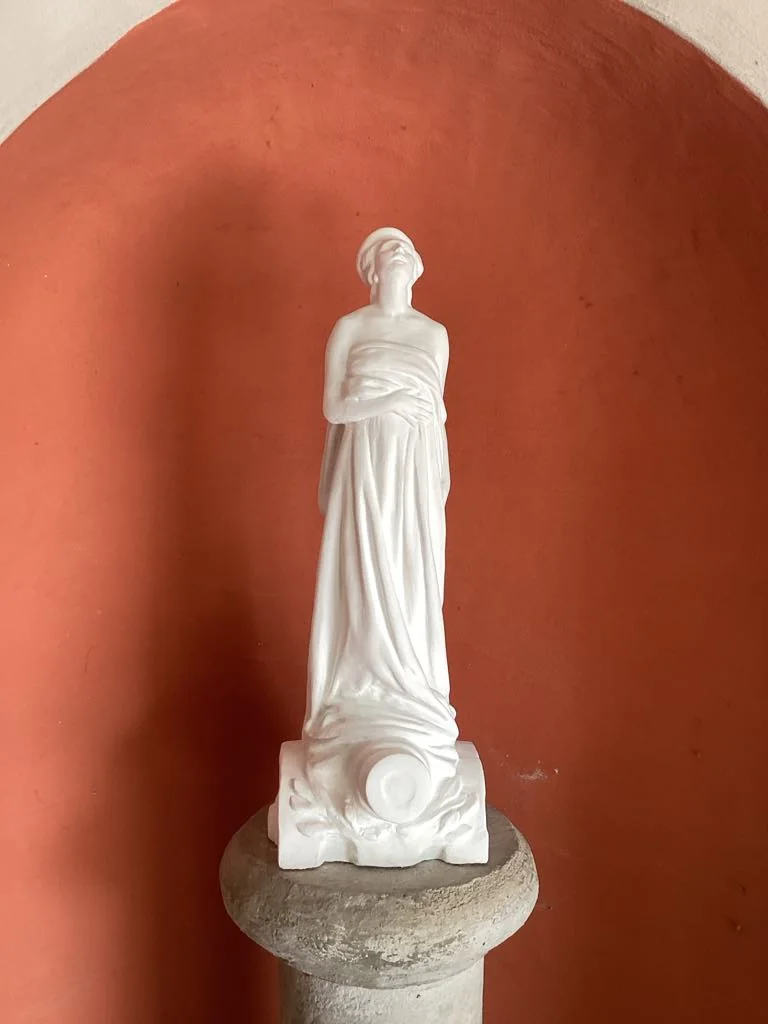
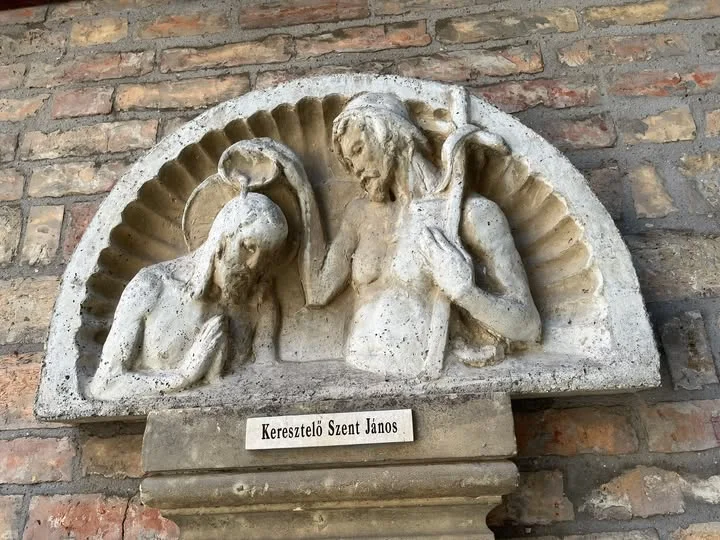
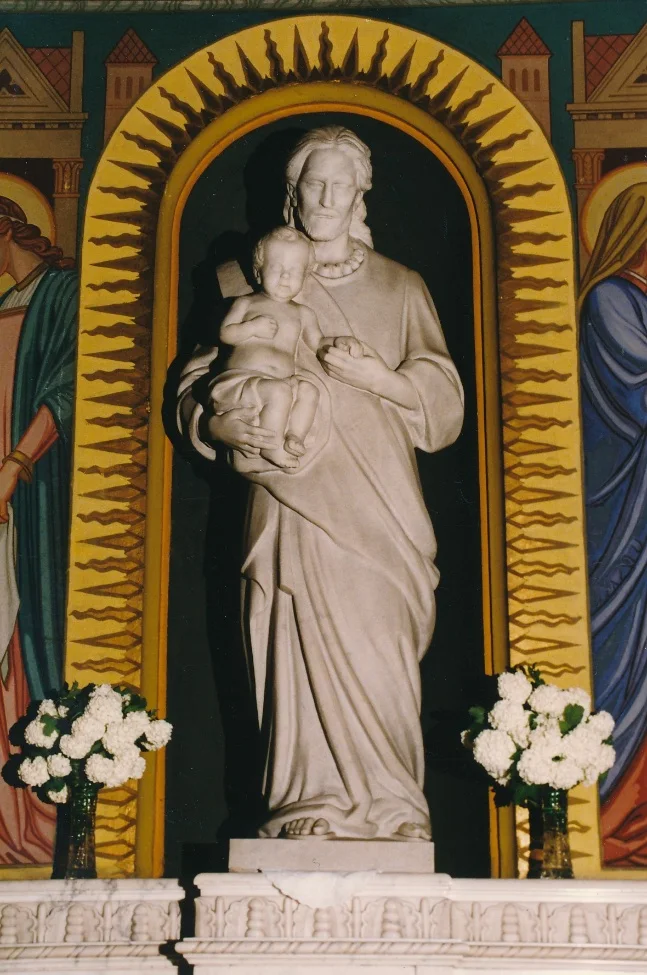
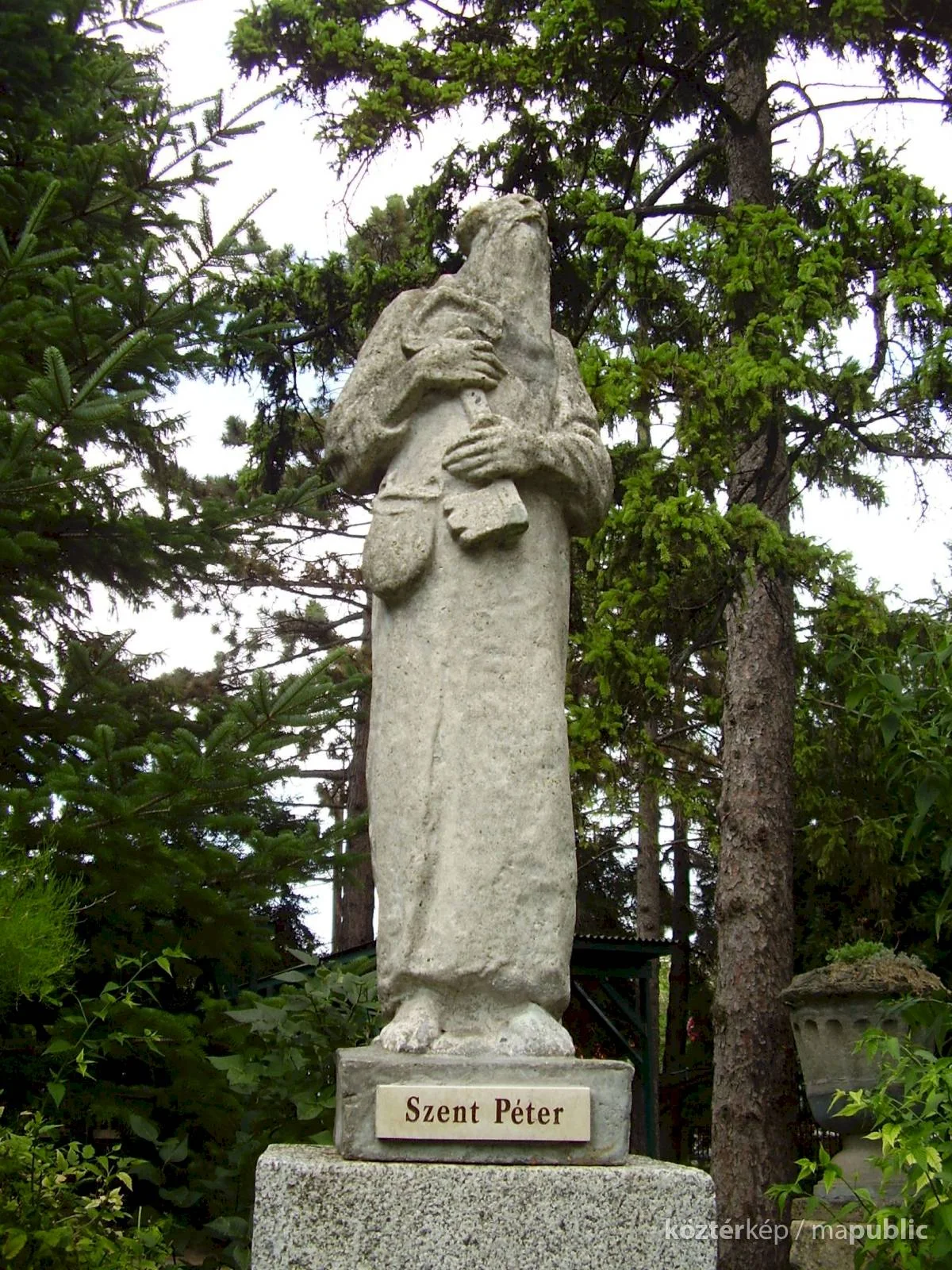
In Bory Jenő’s oeuvre, both ancient mythology and the Christian tradition were important sources of inspiration. During his studies, he often encountered the treatment of religious and mythological subjects, as in the sculptural training of the period compositional exercises were frequently based on ancient or biblical scenes. This early-acquired experience continued to accompany his art throughout his life.
In Bory’s works, mythological subjects do not appear as mere historical or academic illustrations. Ancient figures—Cupid, Venus and other mythological characters—became, in the artist’s hands, bearers of human emotions and ideas of enduring significance. His works also reveal the Symbolist and Art Nouveau outlook of the turn of the century: behind mythological stories emerge questions of love, beauty, innocence and human fate. His small-scale sculptures include works that evoke the disciplined formal world of classical traditions and reveal the influence of Neoclassicism.
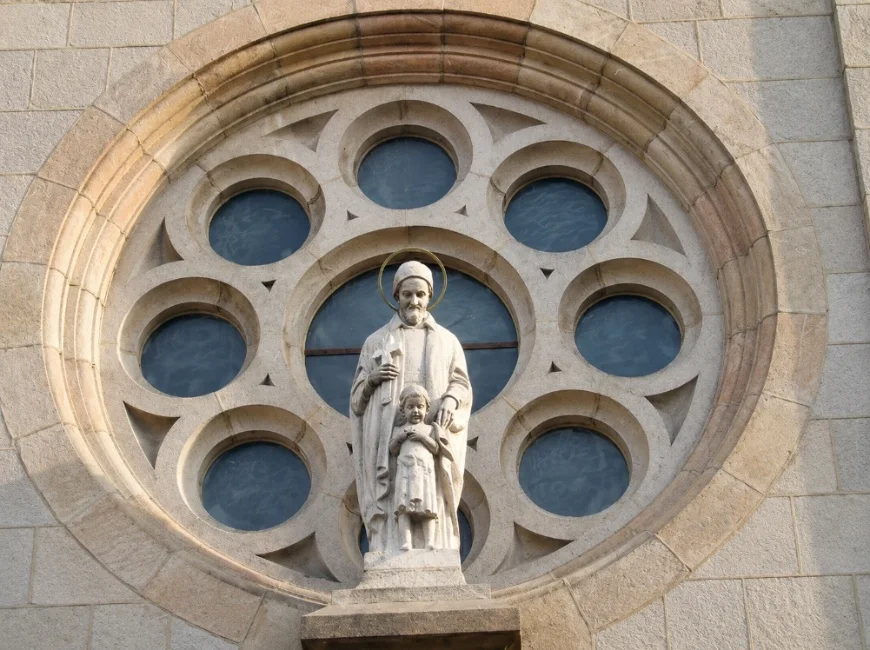
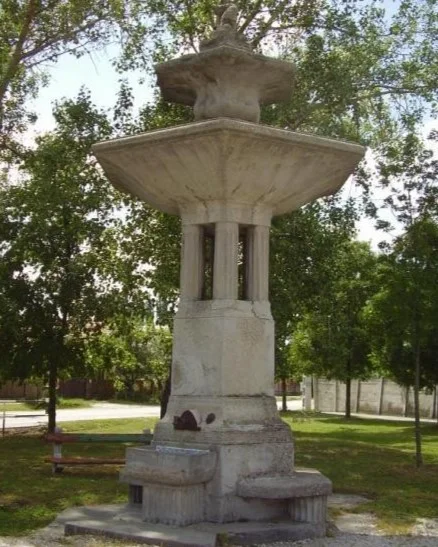
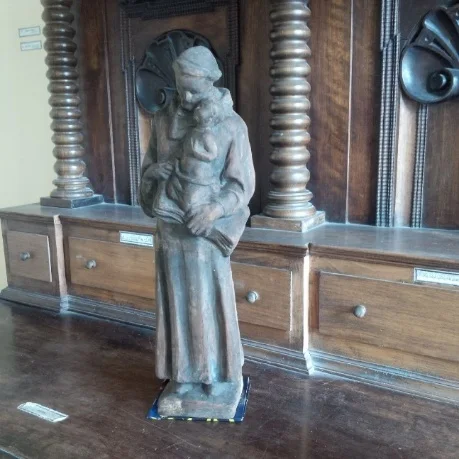
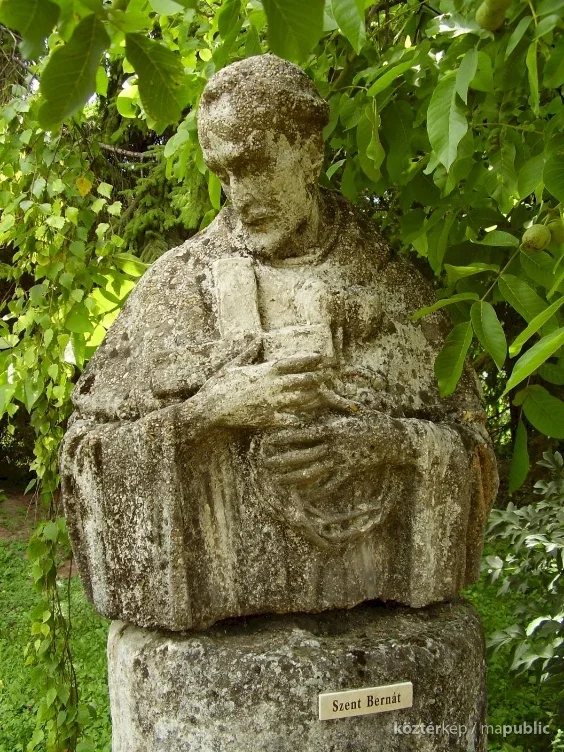
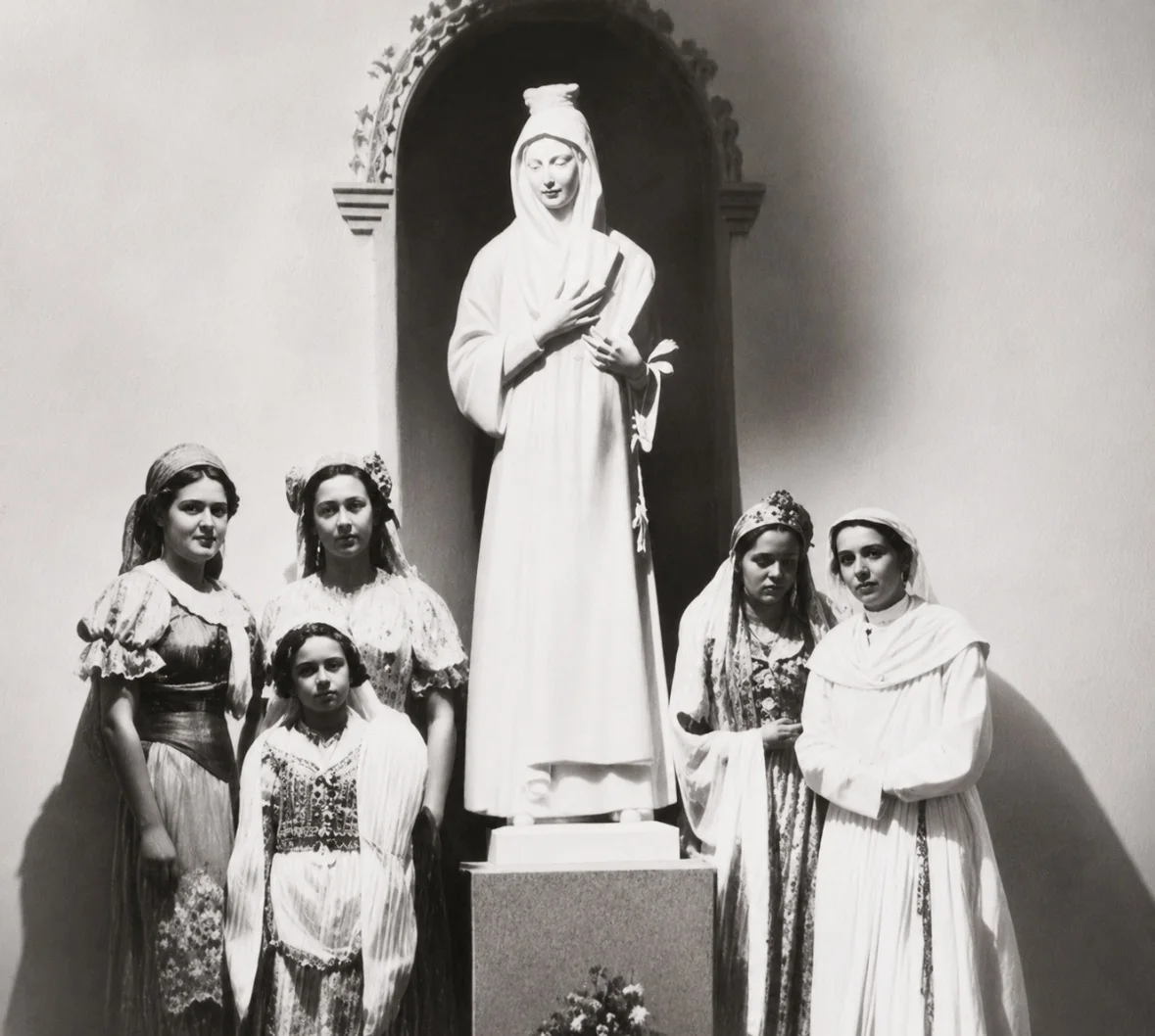
Sculptures of Christian subjects likewise form a significant group within Bory Jenő’s oeuvre. He received numerous commissions from the Church to decorate churches, religious houses, schools and roadside crucifixes; at the same time, he willingly engaged with religious themes even without a commission. In his works depicting saints, biblical figures and Old Testament scenes, emphasis falls not only on religious content, but also on questions of human example, faith, moral choice and family belonging.
The works belonging to this group—Modern Cupid, Susanna at the Bath, Venus and Little Cupid, Saint Barbara, Saint Vincent, Saint Peter, Saint Emeric, and works treating the stories of Adam and Eve, Cain and Abel, and Noah—clearly demonstrate Bory Jenő’s versatility. For him, figures from ancient and Christian traditions bear a shared human message: they express the timeless questions of love, faith, sin, forgiveness, sacrifice and moral steadfastness. The sculptures placed at Bory Castle thus do not merely recall stories, but also stand as imprints of the artist’s humanist worldview.