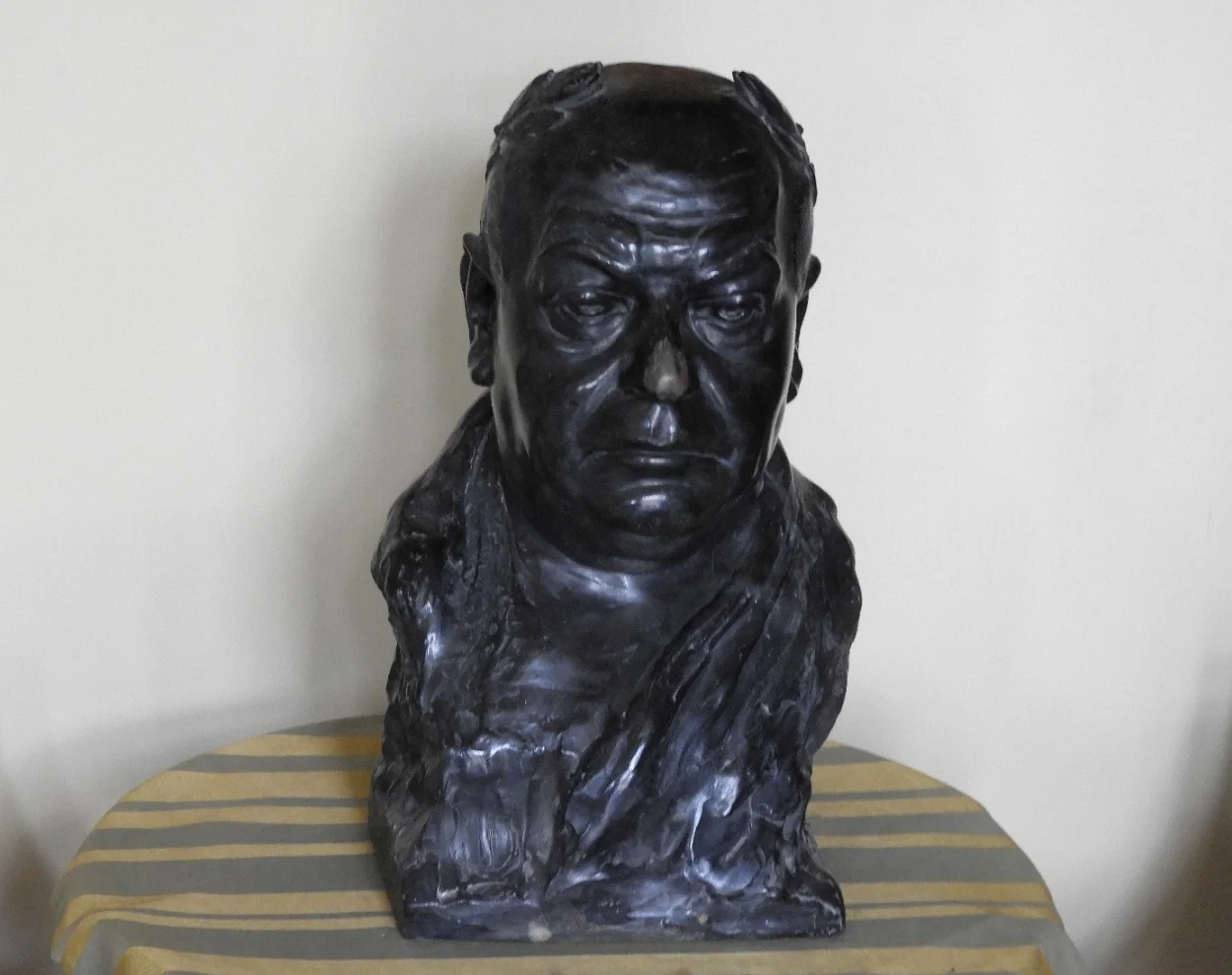
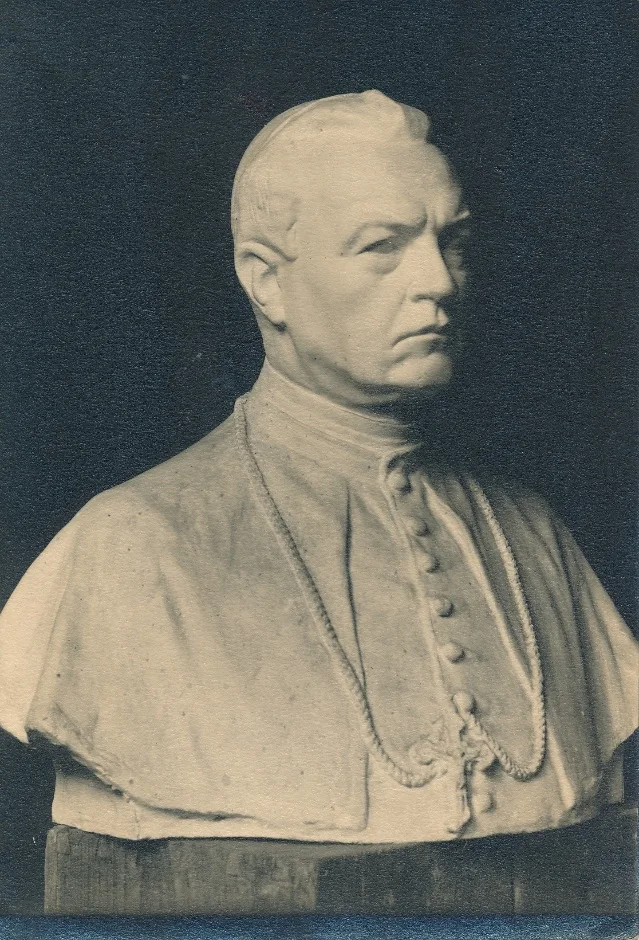
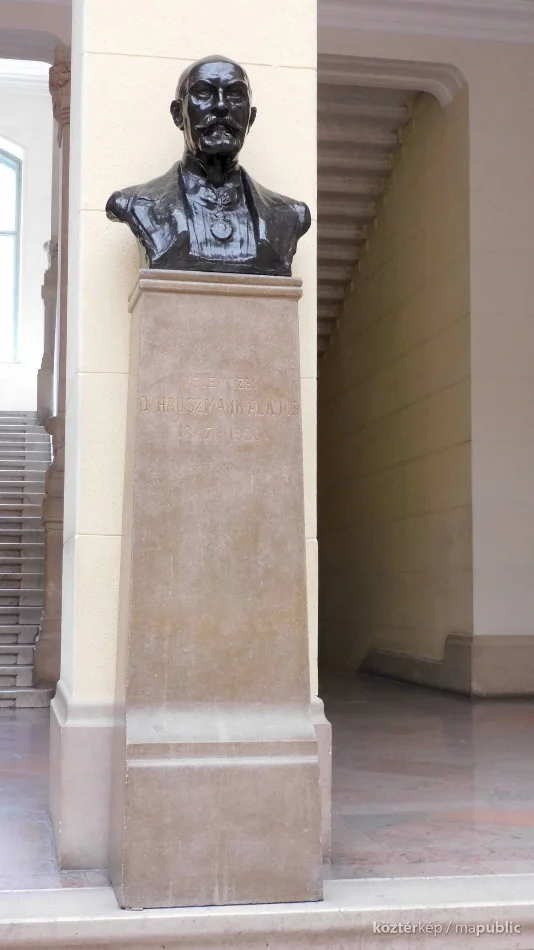
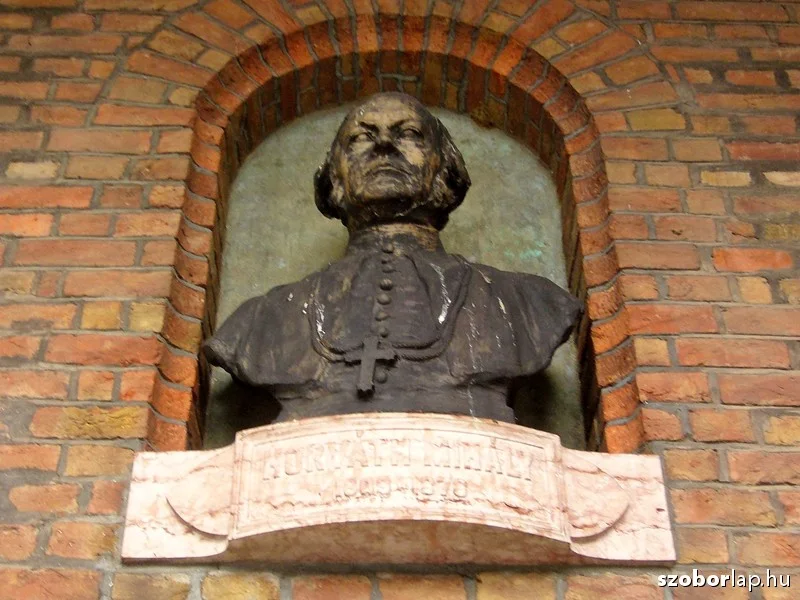
Portraiture occupies a prominent place in Bory Jenő’s sculptural oeuvre. For the artist, a portrait did not simply mean the recording of facial features, but the capture of the sitter’s intellectual character, social role and human essence.
His portrait sculpture includes historical figures, scholars, artists, family members and self-portraits alike, together offering a comprehensive picture of his artistic outlook.
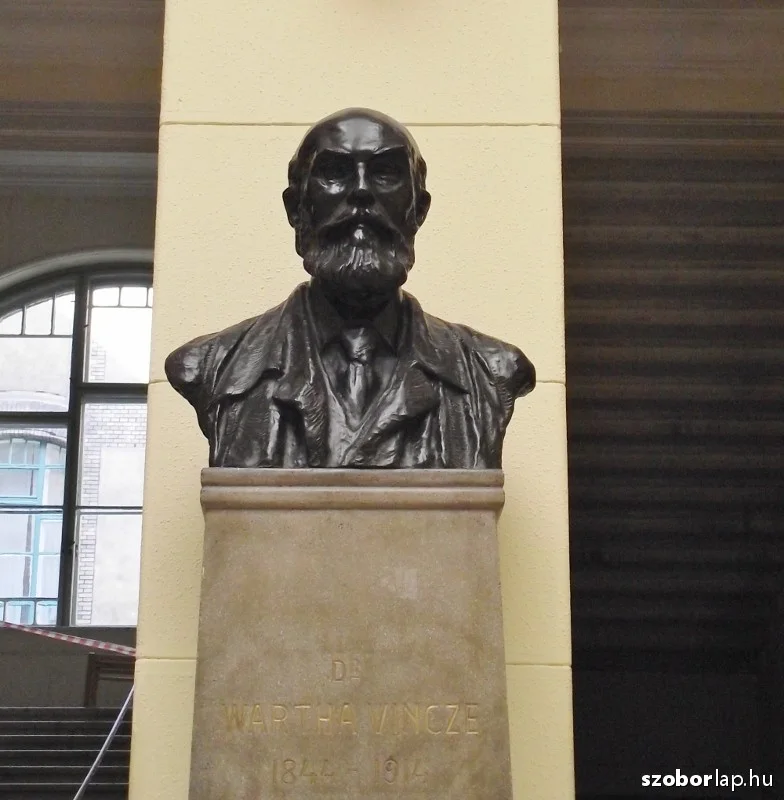
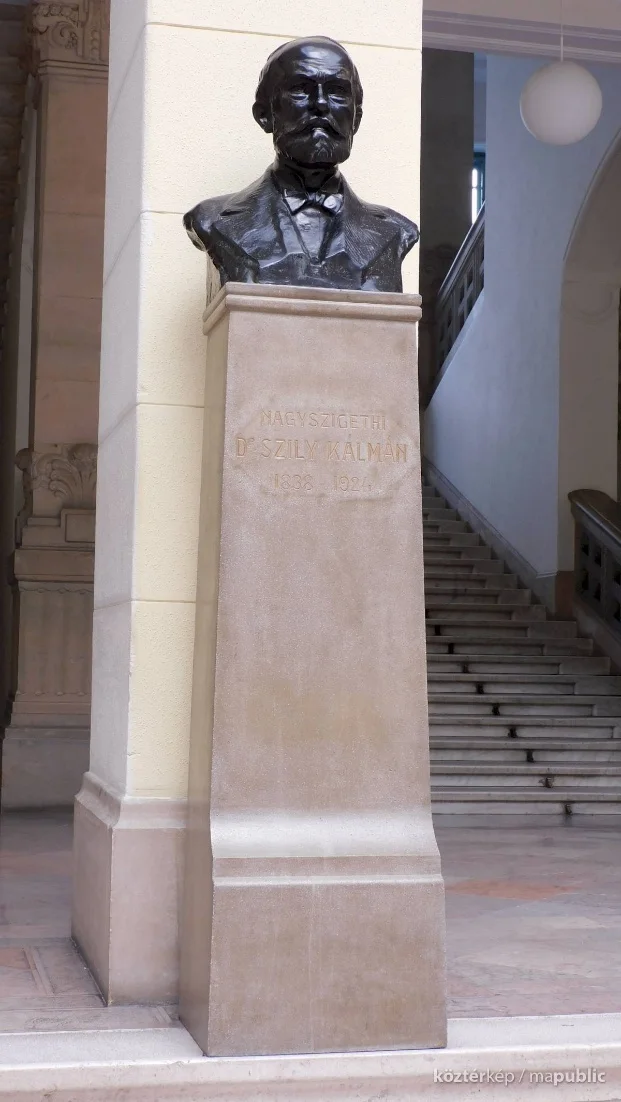
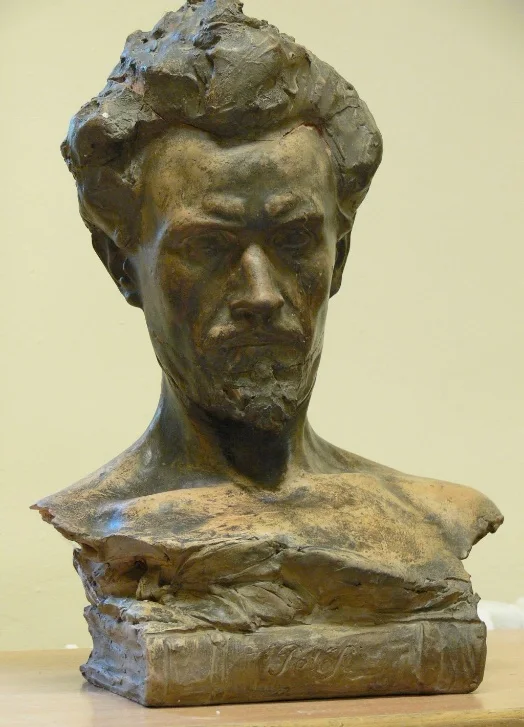
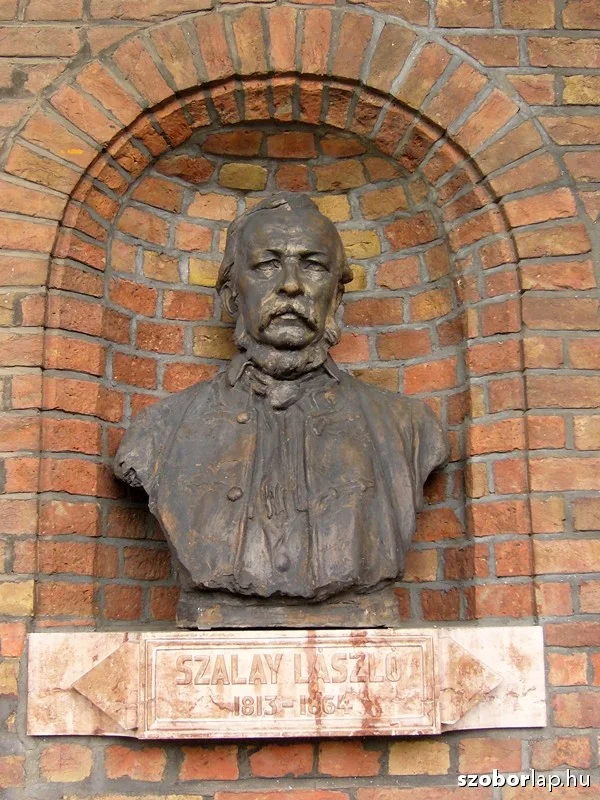
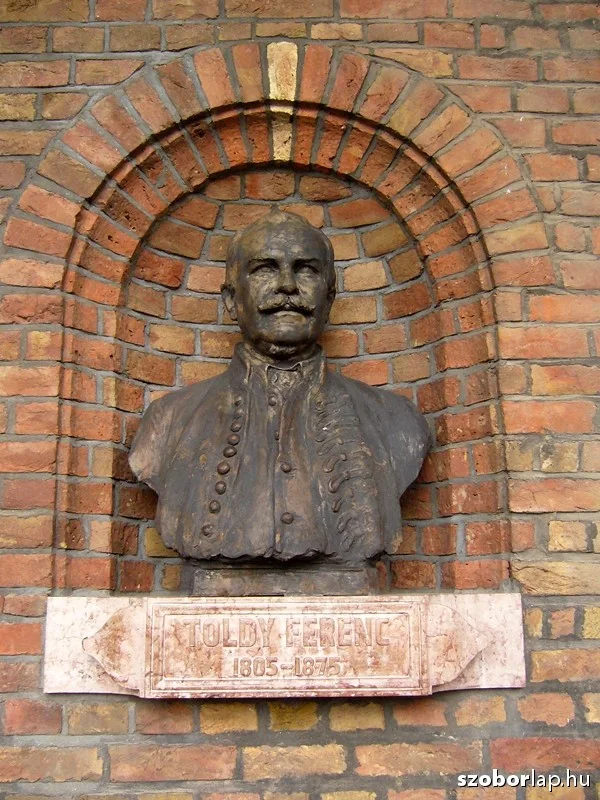
During the interwar period, portraiture became an important means of shaping national remembrance. Bory Jenő received several commissions connected with the idea of a ‘National Pantheon’. His busts of Reform Era scholars—Horváth Mihály, Szalay László and Toldy Ferenc—made for the National Memorial Hall in Dóm Square, Szeged, placed emphasis less on individual characteristics than on an idealised image of the scholar. Their features convey calm, dignity and intellectual discipline, and the figures appear almost as timeless exemplars. A similar approach is evident in his works depicting historical figures. His portraits of Petőfi Sándor and Kossuth Lajos were not created with the intention of an authentic outward reconstruction, but as embodiments of heroes living in the national memory. For Bory, the portrayal of idealised character and historical role was more important than detailed realism. Thus the portrait rises from a personal likeness to the status of a monument.
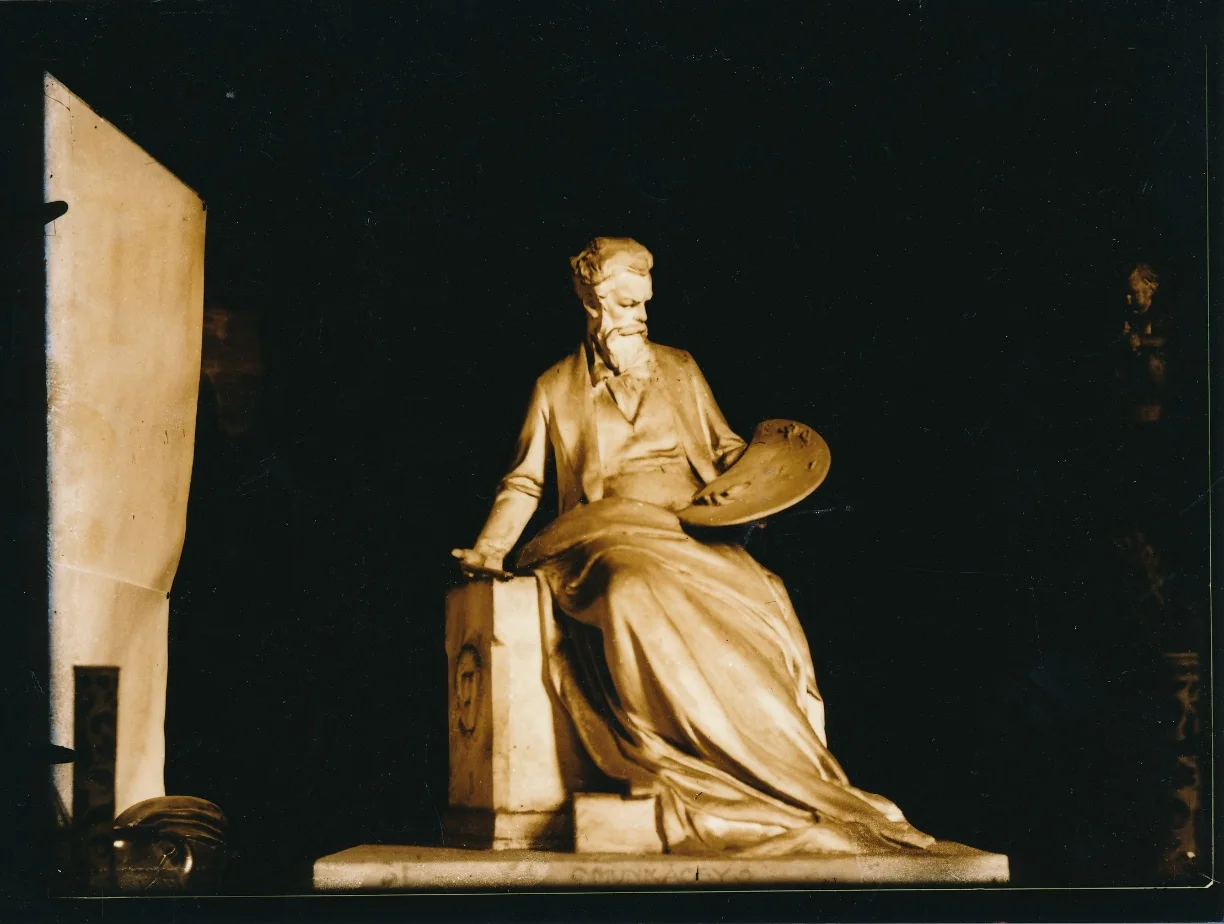
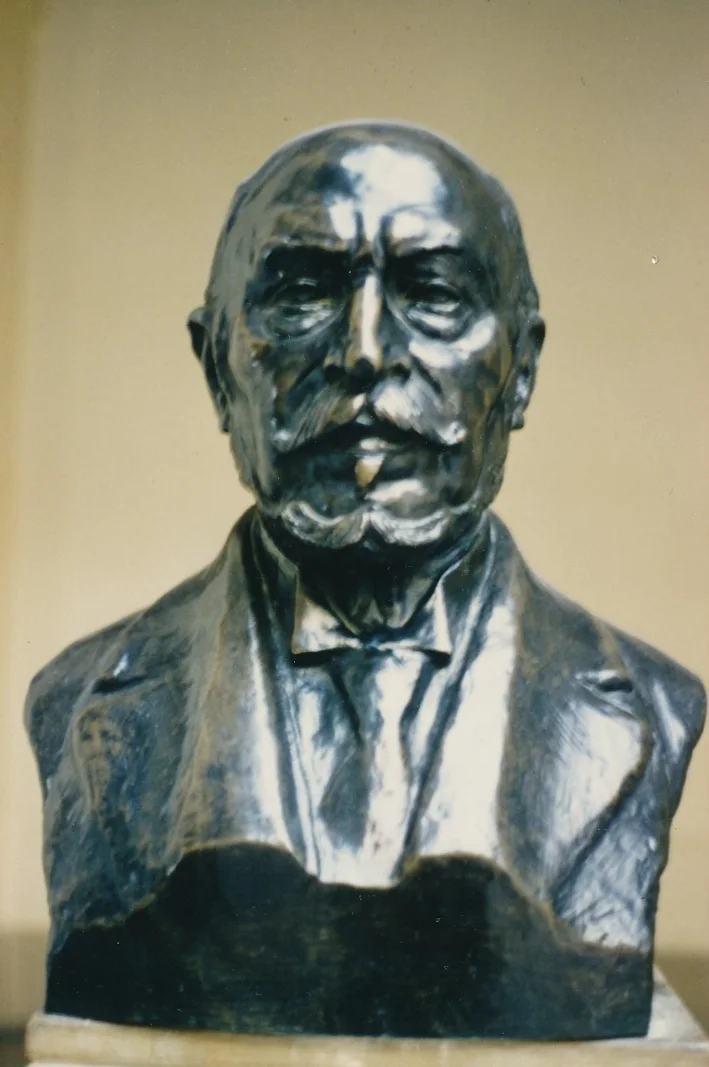
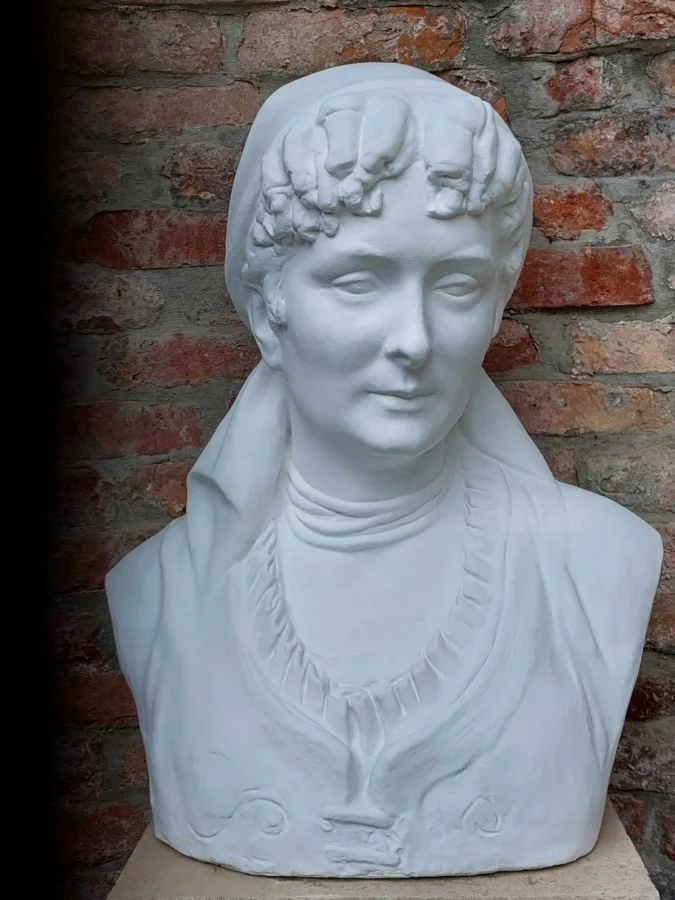
His portraits of artists form a distinct group and were installed as part of his own ‘artists’ pantheon’ at Bory Castle. The castle’s art gallery is lined with portraits of painters, sculptors, architects and artists. The portraits he made of Munkácsy, Benczúr Gyula, Karlovszky Bertalan, Barabás Gizella and Nádler Róbert show that Bory treated artists with greater ease and freedom. These works more frequently feature attributes referring to their vocation, livelier characteristics and formal devices that emphasise personality.
A further characteristic of his portrait sculpture is his use of a wide range of styles and materials. He worked readily in marble, bronze, pyrobasalt, ceramics and concrete. His works reveal both the influence of the Art Nouveau of the turn of the century, a classicising formal language and the tradition of academic portrait sculpture. His virtuoso feeling for form enabled him to shape historical heroes, scholars, artists and those close to him with a character suited in each case to the individual portrayed.
Bory Jenő’s portrait sculpture thus served national remembrance, the cultivation of artistic traditions and the expression of personal emotion at once. In his works, the portrait is not merely a representation, but a sculptural articulation of human personality, remembrance and creative esteem.