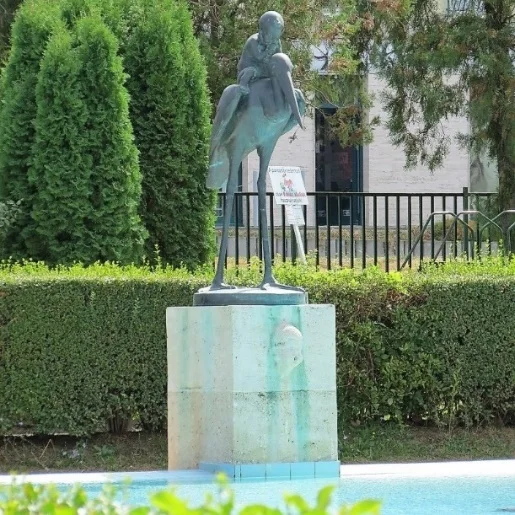
In Bory Jenő’s sculptural oeuvre, depictions of animals occur in smaller numbers than his portraits, monuments or allegorical works, yet they clearly demonstrate the artist’s exceptional feeling for form and his interest in nature.
Through animal figures, he did not seek zoological precision above all, but rather to capture the character, movement and sculptural essence of each creature. In his works, the observation of nature is harmoniously combined with a desire for decorative modelling.
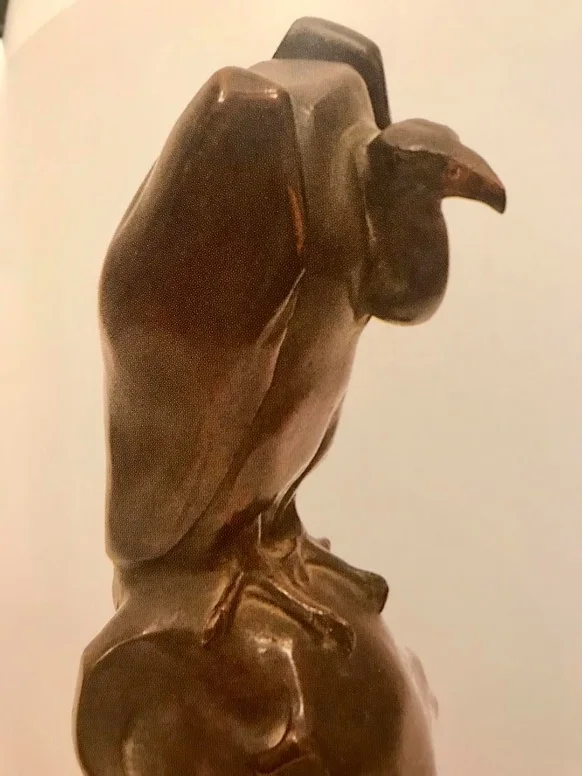
Most of the animal sculptures were made on a small scale. Bory’s striving for formal compression may be clearly observed in these works. With a few decisive lines and the evocative modelling of larger masses, he was able to render the animals’ characteristic appearance. The elk with lowered head embodies the quiet strength of nature; the bison’s compact body conveys primal vitality; and the figure of the vulture expresses the dignity of stillness.
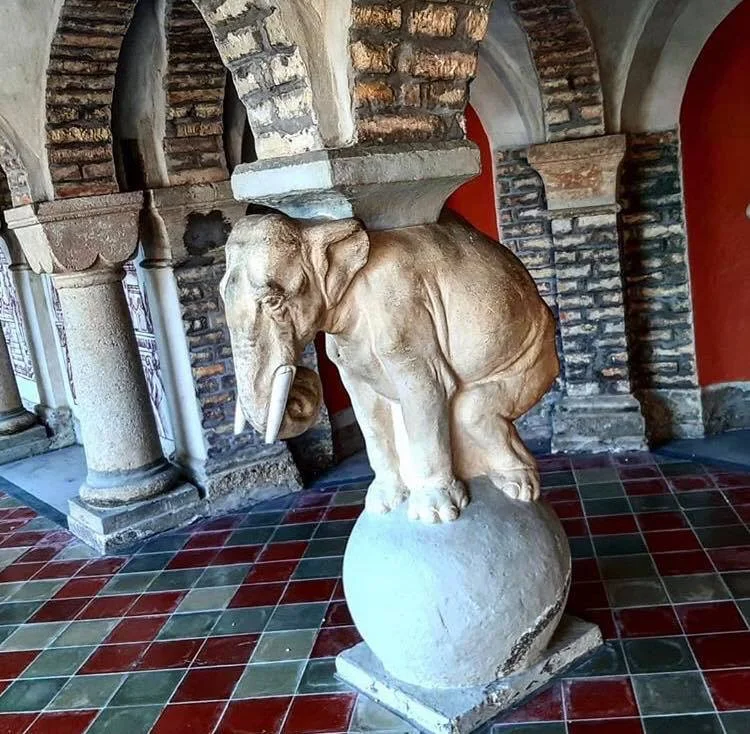
The elephant played a particularly important part in his work, becoming a recurring motif in several forms. The Elephant Courtyard at Bory Castle also takes its name from the monumental elephant sculpture placed there. The animal is not merely a decorative element, but one of the castle’s emblematic figures. The elephant balancing on a sphere is a playful conception, while also reflecting Bory’s formal imagination and sense of humour. The elephant also appears in smaller sculptures and objects of applied art, suggesting that the artist felt a particular attraction to this animal of imposing presence.
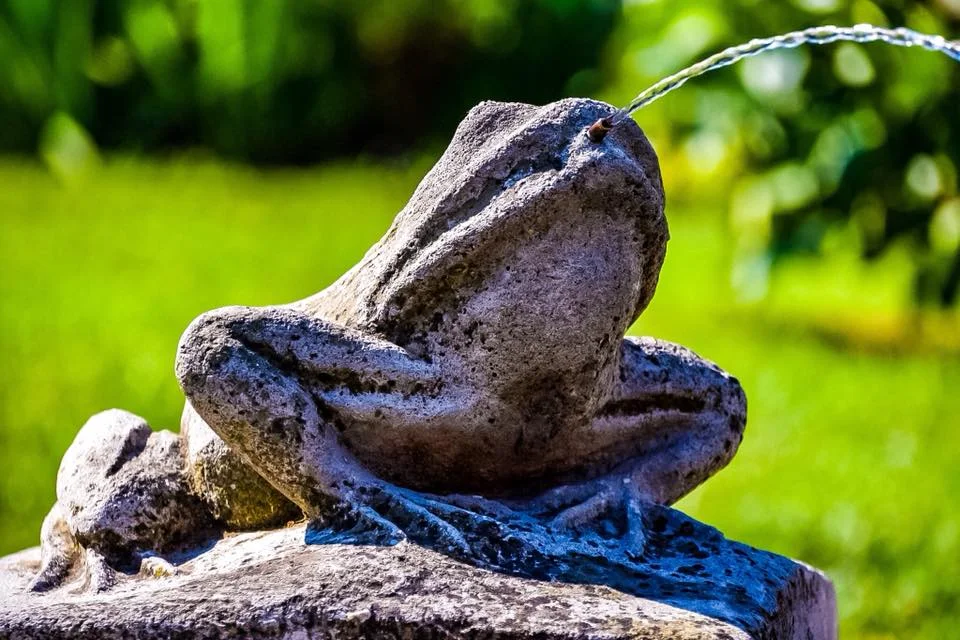
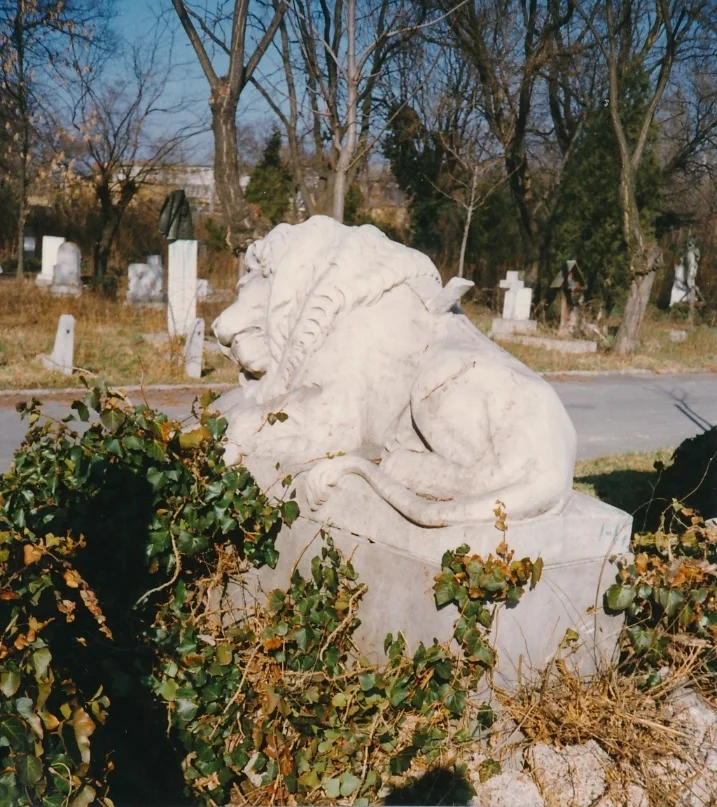
The architectural ornaments of Bory Castle form a distinctive group among his animal depictions. A frog figure may be found in the castle. One characteristic work in the castle garden is the Sleeping Lion. In the tradition of art history, the lion generally symbolises strength, power and guardianship, yet Bory depicted the animal at rest. The mane falling over its head, the paws stretched out before it and the mass of the resting body do not emphasise the predator’s fearsome aspect, but rather its inherent strength and dignity.
His depictions of animals show clearly that, for Bory Jenő, the world of nature was as important a source of inspiration as the human figure. Whether appearing as monumental garden sculpture or as small-scale works, these creations always testify to a sensitive observation of the character of living creatures. Through animal forms, the artist expressed the beauty of nature, the diversity of the living world and the timeless harmony of forms.